
 Save to Pinterest
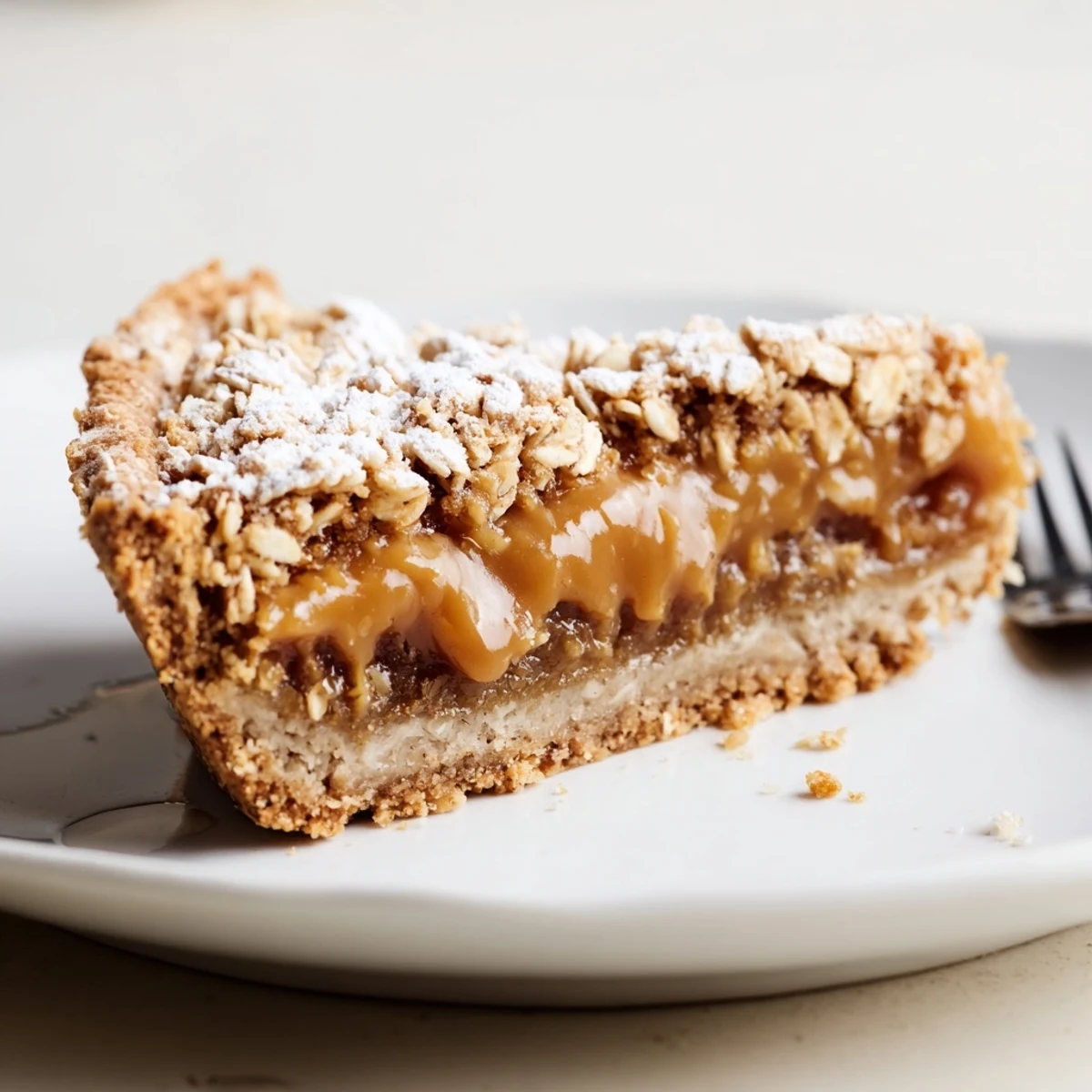
 Cream butter with sugars, fold in oats and flour, then bake a thin oat-cookie slab until golden. Crumble the slab, combine with melted butter and press into a 9-inch pan to form an even crust. For the filling, whisk melted butter with sugars, dry milk powder, flour, salt, egg yolks, whole egg and vanilla; pour into crust and bake at 325°F until edges set but center jiggles. Cool fully, chill for at least two hours or overnight, and dust with powdered sugar before slicing.
My apartment smelled like a butter factory exploded in the best possible way the night I attempted my first Crack Pie at midnight during a snowstorm. The oven clicked on and off, on and off, and I was convinced it was broken until that golden oat cookie emerged perfectly toasted. Christina Tosi created something that borders on dangerous with this recipe, and once you taste that gooey, caramelized center, you understand exactly why it earned its name.
I brought this pie to a friends potluck thinking it would be a polite addition to the dessert table, and within twenty minutes someone was literally scraping the pan with a spoon. Three people asked for the recipe before I even got my coat off. My friend David stood guard over the remaining two slices and announced they were spoken for.
Ingredients
- Unsalted butter (crust and filling): Use good quality butter here because it is the backbone of every flavor in this pie and you will absolutely taste the difference.
- Light brown sugar (packed): Packing it into the cup ensures the right moisture level and that deep molasses note that makes everything taste like a hug.
- Granulated sugar: Balances the brown sugar and keeps the filling from becoming overwhelmingly dark in flavor.
- Large eggs and egg yolks: The extra yolks in the filling create that luxurious, barely set custard texture that defines this pie.
- Rolled oats: Old fashioned rolled oats give the cookie crust its signature chew and nutty flavor, so do not substitute instant oats.
- All purpose flour: Provides structure in both the cookie and the filling without making either one tough or bready.
- Dry milk powder: This is the secret weapon that gives the filling its unique caramelized dairy richness, so do not skip it.
- Baking powder and baking soda: Just a pinch of each gives the oat cookie the slightest lift so it is not a dense brick.
- Salt: Essential in both parts to keep all that sweetness from running away with the show.
- Vanilla extract: Use pure extract if you can because artificial vanilla will flatten the filling.
- Powdered sugar: A thick snowy dusting right before serving is nonnegotiable for the full Milk Bar experience.
Instructions
- Bake the oat cookie:
- Cream the softened butter with both sugars until the mixture looks pale and cloudlike, then beat in the egg until everything is smooth and cohesive. Fold in the oats, flour, baking powder, baking soda, and salt until just combined, spread it thin on a parchment lined sheet, and bake at 350 degrees for about fifteen minutes until golden and fragrant.
- Build the crust:
- Let the cookie cool completely, then crumble it into fine crumbs with your hands or a food processor. Mix the crumbs with three tablespoons of melted butter until the texture resembles wet sand, then press firmly into a nine inch pie pan covering the bottom and sides evenly.
- Whisk the filling:
- Lower the oven to 325 degrees and whisk together the melted butter, both sugars, milk powder, flour, and salt until smooth. Add the egg yolks, whole egg, and vanilla, stirring gently until just combined without overworking the mixture.
- Bake and chill:
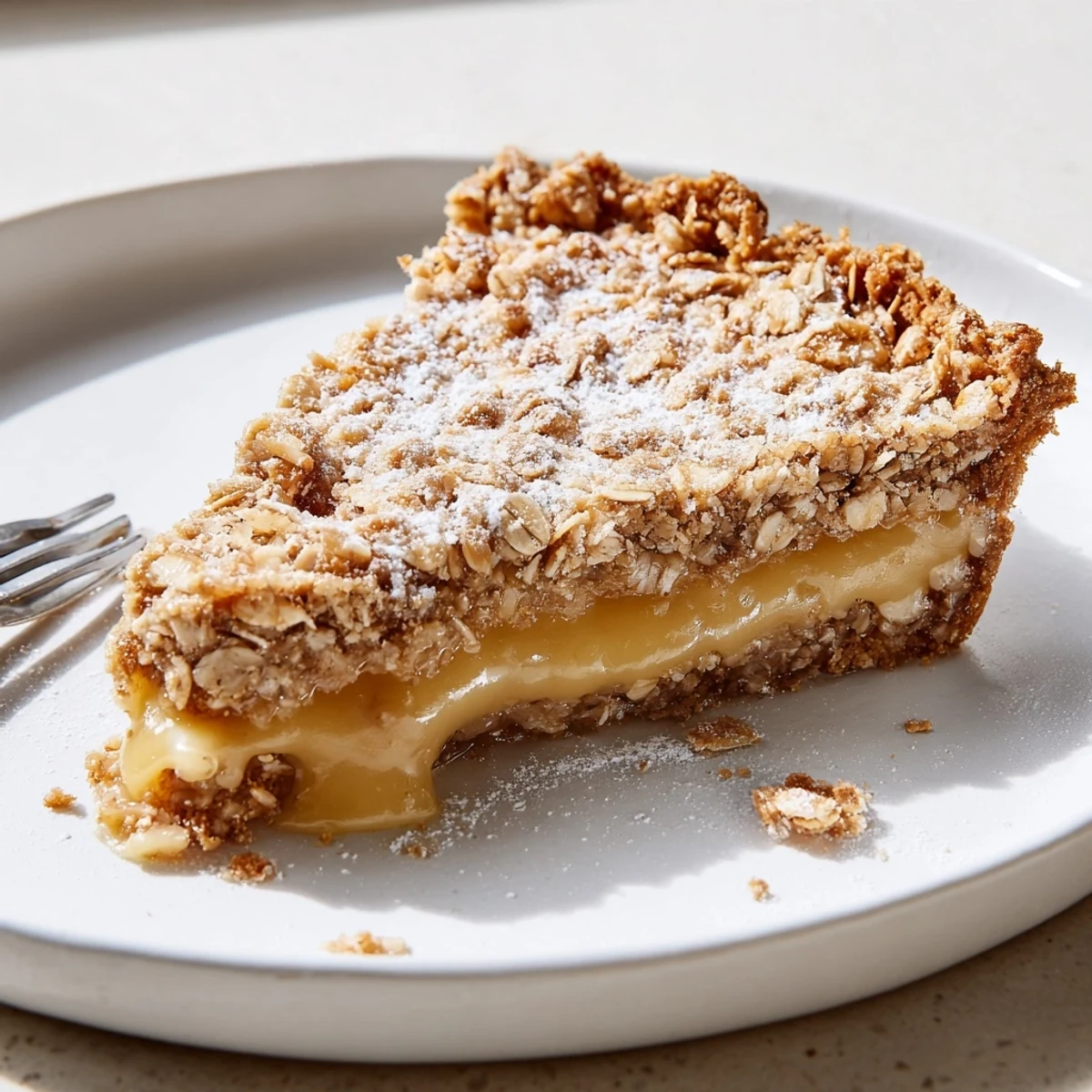
- Pour the filling into the crust and bake for thirty to thirty five minutes until the edges are set but the center still wobbles like gelatin when you shake the pan. Cool completely at room temperature, then refrigerate for at least two hours or ideally overnight before dusting generously with powdered sugar.
 Save to Pinterest
 The first time I served this to my mother she closed her eyes after the first bite and did not speak for almost a full minute. She finally looked at me and said this is the kind of thing you make when you want someone to forgive you for everything. Now it shows up at every family gathering without question.
Serving Ideas That Make It Even Better
A dollop of barely sweetened whipped cream on the side cuts through the richness in the most satisfying way. A few flakes of flaky sea salt on top sound weird but they elevate every single bite.
Storage and Leftovers
Keep the pie covered in the refrigerator for up to five days, though in my experience it never lasts that long. The texture actually improves on day two when the filling has fully set into that dense fudgy dream.
Making It Your Own
Once you master the original, try folding a handful of toasted pecans into the crust crumbs for a nutty variation that adds wonderful crunch. You can also swap half the vanilla for bourbon to give the filling a warm, grown-up depth.
- Toast the oats in a dry pan before making the cookie for a deeper nutty flavor.
- If you cannot find dry milk powder, malted milk powder works as a fun substitute.
- Always let the pie chill the full recommended time before slicing for clean portions.
 Save to Pinterest
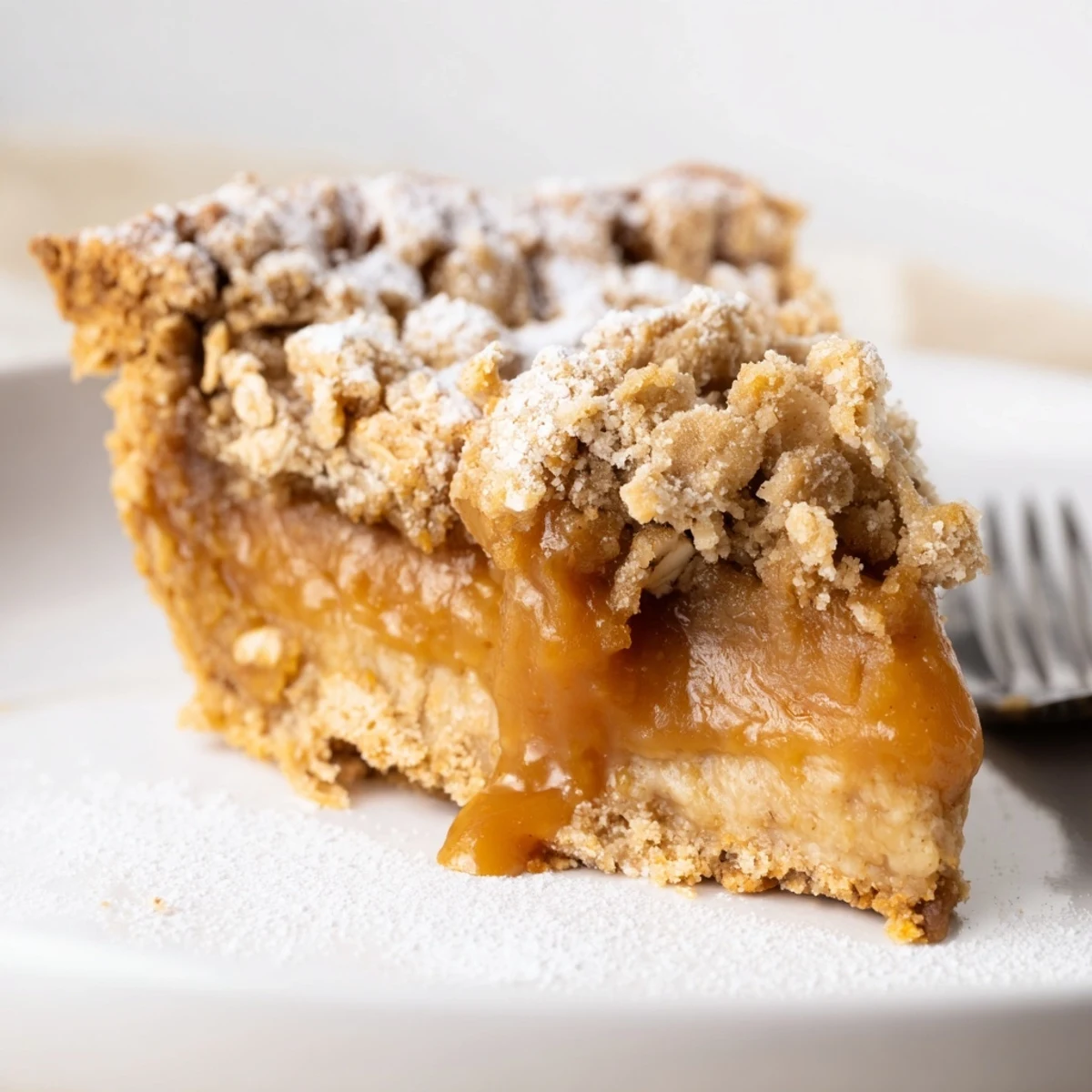
 This is the kind of recipe that turns an ordinary Tuesday into a small celebration. Bake it, share it, and watch people lose their composure over a slice of pie.
Recipe FAQ
- → How do I achieve the signature gooey center?
-
Bake until the edges are set but the center still wobbles slightly; residual heat and chilling finish the set without drying out, giving a tender, gooey texture.
- → How can I prevent a soggy crust?
-
Thoroughly bake the oat-cookie slab until golden before crumbling, then press crumbs with just enough melted butter to bind. Blind-baking the pressed crust briefly can also help firm the base.
- → Can I make this ahead and how should I store it?
-
Yes. Cool completely, refrigerate for at least two hours (overnight is ideal), and store covered in the fridge for up to five days. Slice cold for clean pieces.
- → What are good substitutions for dry milk powder?
-
Use an equal amount of full-fat evaporated milk reduced slightly, or omit and increase the flour by a tablespoon while accepting a slightly different texture and sweetness balance.
- → How can I adapt this for a gluten-free version?
-
Use certified gluten-free rolled oats and swap the all-purpose flour for a 1:1 gluten-free flour blend. Press and bake as directed; texture will be similar when chilled.
- → Why dust with powdered sugar and when should I do it?
-
Powdered sugar adds a bright, delicate finish that offsets the sweetness and enhances presentation. Dust just before serving to avoid moisture drawing.