
 Save to Pinterest
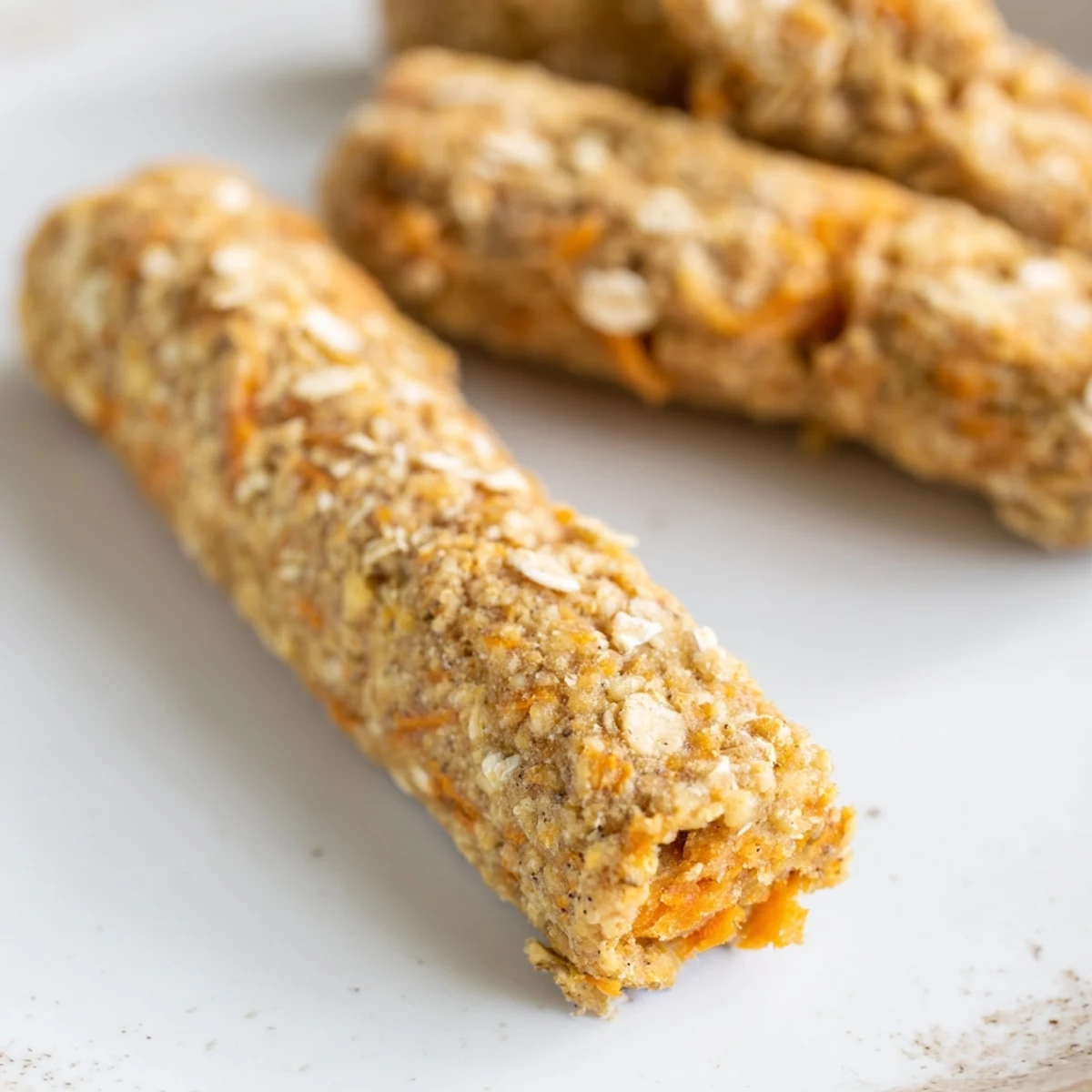
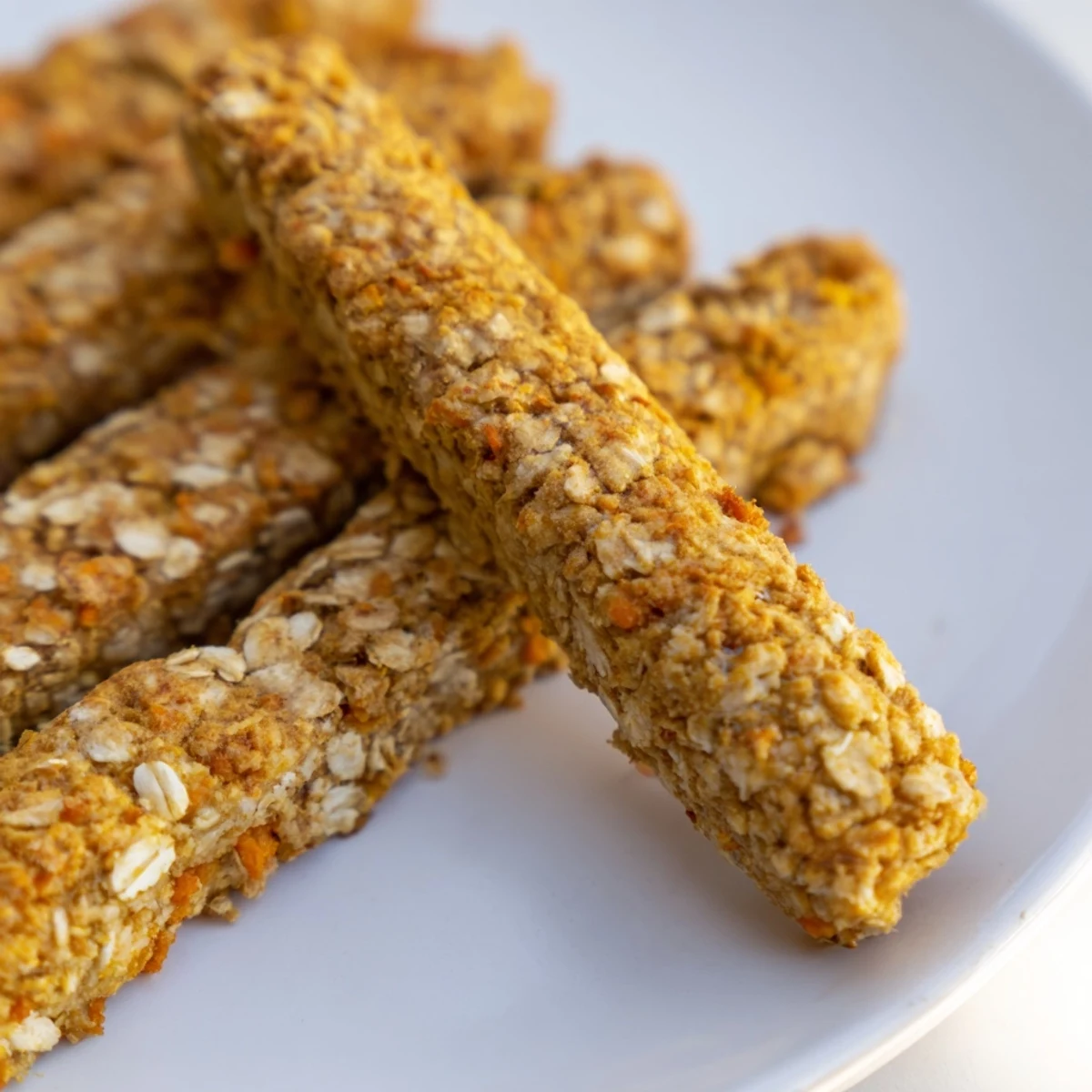
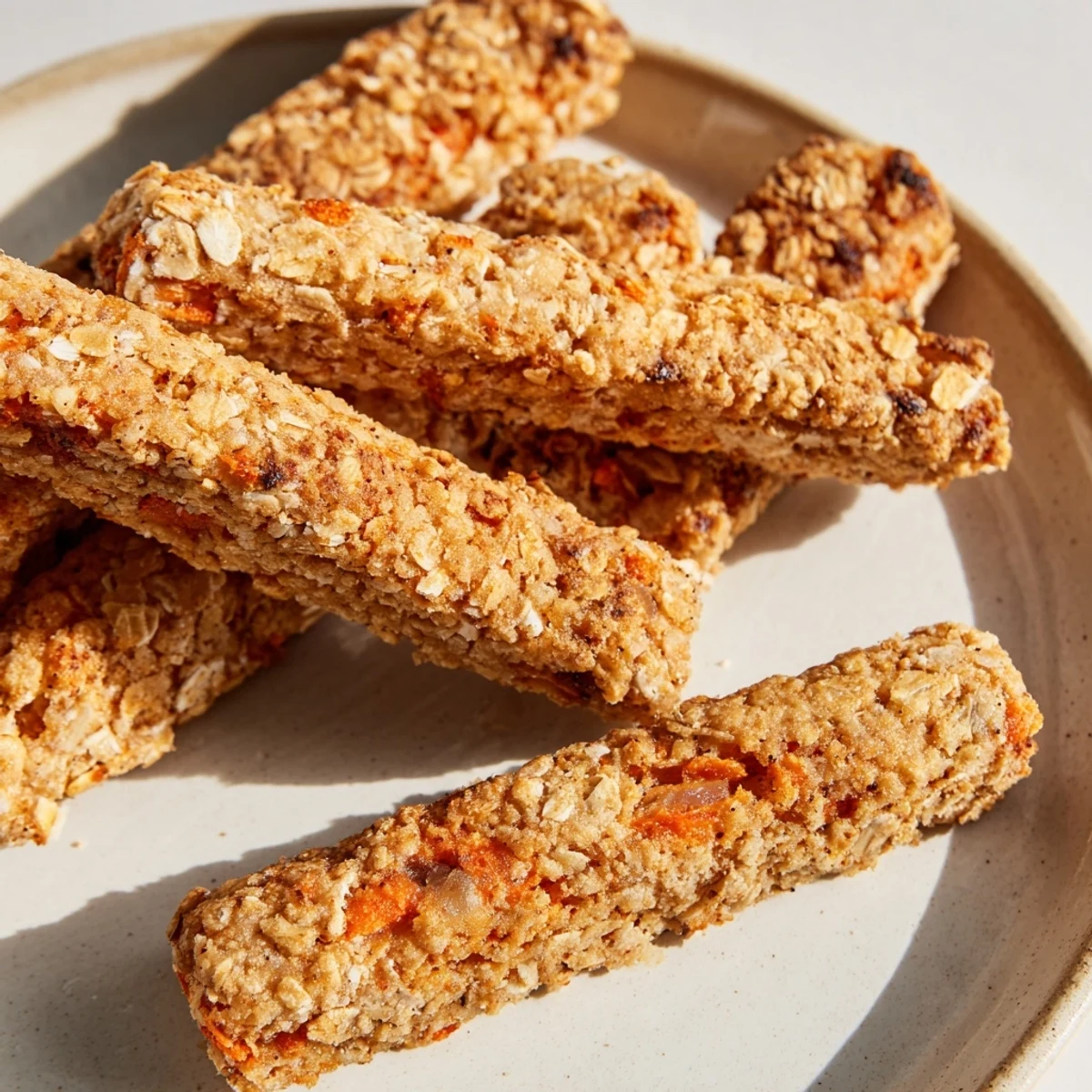
 These wholesome apple and carrot chews combine fresh grated fruits with hearty oats and flour for a satisfying treat your dog will love. The dough comes together quickly with egg and applesauce, then bakes into firm, crunchy sticks perfect for keeping pups entertained.
Baking at 350°F for 45 minutes creates golden sticks that develop extra crunch when cooled slowly in the oven. Each stick contains only 55 calories and provides a natural chewing experience that supports dental health while rewarding your furry friend.
The first time I made these, my golden retriever sat by the oven door for the entire 45 minutes, letting out the occasional hopeful sigh as the smell of baked apples drifted through the kitchen. Now whenever I reach for the box grater, he appears instantly, having somehow learned that particular kitchen sound means homemade treats are coming. These simple chews have become our weekend ritual, and there is something deeply satisfying about making wholesome snacks for the creature who waits patiently by his bowl every single day.
Last month my sister brought her rescue dog over, and the way that cautious, nervous pup lit up when I handed her a chew stick made my whole week. There is a specific joy in watching a dog discover something made just for them, tail wagging in that hopeful questioning way before they even take a bite. My neighbor now texts me regularly because her golden retriever will not eat any other treats, and I have become the unofficial dog treat supplier for our entire street.
Ingredients
- 1 medium apple: Peel and grate it yourself, removing every bit of core and seeds since those parts are not safe for dogs
- 1 medium carrot: Grating it finely helps distribute the sweetness throughout the dough and makes it easier to shape
- 2 cups whole wheat flour: Use oat flour if your pup has wheat sensitivities, it works just as beautifully
- ½ cup rolled oats: These add a lovely texture and make the chews feel more substantial
- 1 large egg: Room temperature egg incorporates more evenly into the mixture
- ⅓ cup unsweetened applesauce: Make absolutely sure there are no added sweeteners, especially xylitol which is toxic to dogs
- 2 tbsp water: Add only if your dough feels too dry to come together properly
Instructions
- Preheat your oven:
- Set it to 350°F and line a baking sheet with parchment paper so nothing sticks
- Combine your base:
- Mix the grated apple, grated carrot, flour, and oats in a large bowl until everything is evenly distributed
- Add the binders:
- Stir in the egg and applesauce until a dough forms, adding water only if it refuses to come together
- Shape your chews:
- Roll the dough into sticks about 4 inches long and ½ inch thick, keeping them relatively uniform for even baking
- Arrange and bake:
- Place the sticks on your prepared baking sheet and bake for 40 to 45 minutes until golden and firm throughout
- Cool completely:
- Let them cool entirely before giving one to your eager pup, though the hardest part is definitely the waiting
 Save to Pinterest
 My dog carries his chew stick around the house for ten minutes before actually eating it, like he is showing off his prize to everyone who will look. There is something about the ritual of it that I find completely endearing, and seeing him so genuinely happy over something so simple reminds me why I started making these in the first place.
Storage Secrets
I keep a jar on the counter for the week and freeze the rest in batches, pulling out a few at a time as needed. The frozen ones actually take dogs longer to chew, which is a bonus on hot summer days or when you need them occupied for a little while longer.
Flavor Variations
Pumpkin puree works beautifully instead of applesauce if that is what you have on hand, and I have accidentally discovered that a tiny pinch of cinnamon makes the kitchen smell incredible. Just remember that dogs have sensitive stomachs, so keep any additions minimal and dog safe.
Making Ahead
I often grate extra carrots and apples when I am prepping vegetables for our own meals, storing them in the fridge so I can whip up a batch of chews in under ten minutes. Having everything ready to go means these come together on busy weekends when I still want to do something special for my four footed friend.
- Double the recipe and freeze half, you will thank yourself later
- Label the container clearly so no one accidentally eats them
- These make thoughtful gifts for other dog parents in your life
 Save to Pinterest
 The way a dog looks at you when you hand them something you made yourself is worth every minute of grating and shaping. These simple chews are about more than just ingredients, they are about saying thank you for all the tail wags and unconditional love.
Recipe FAQ
- → How long do these apple carrot chews stay fresh?
-
Store these homemade chews in an airtight container at room temperature for up to one week. For longer storage, place them in the freezer where they'll maintain freshness for several months. Thaw frozen sticks at room temperature before serving.
- → Can I substitute the whole wheat flour?
-
Yes, oat flour works perfectly as a gluten-free alternative. The texture remains consistent, and dogs tolerate oats well. You can also try brown rice flour or coconut flour, though you may need to adjust the water slightly to achieve the right dough consistency.
- → What size should I roll the sticks?
-
Aim for sticks approximately 4 inches long and ½ inch thick. This size provides substantial chewing time for medium to large dogs. For smaller breeds, consider making shorter, thinner pieces. The key is maintaining uniform thickness so they bake evenly.
- → Why cool the chews in the oven?
-
Leaving the chews inside the turned-off oven for an additional hour removes residual moisture, creating a firmer texture that lasts longer during chewing. This slow cooling process develops that satisfying crunch dogs enjoy while ensuring the centers dry completely.
- → Are apples and carrots safe for all dogs?
-
Both apples and carrots are excellent, dog-friendly ingredients packed with vitamins and fiber. Always remove apple seeds as they contain trace amounts of cyanide. Introduce any new treat gradually and supervise your dog, especially puppies or those with sensitive digestion.