
 Save to Pinterest
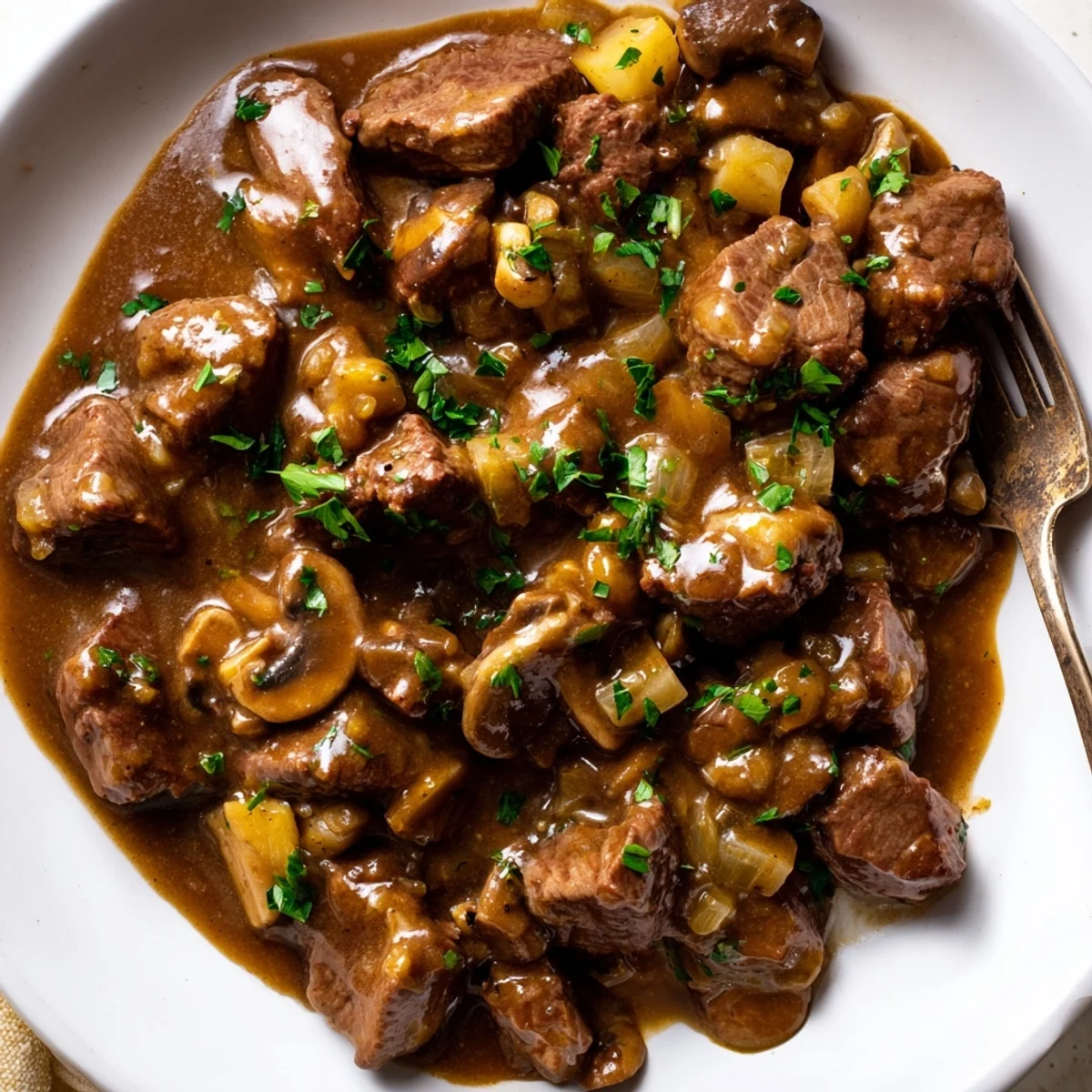
 These weeknight steak tips feature bite-sized pieces of beef sirloin seared to golden perfection, then gently simmered in a homemade gravy built from sautéed onions, garlic, and a rich beef broth base thickened with flour.
The whole dish comes together in about 40 minutes, making it an ideal choice for busy evenings when you want something hearty and satisfying. Serve it over mashed potatoes, rice, or egg noodles for a complete meal the whole family will enjoy.
The sizzle of beef hitting a hot skillet on a Tuesday evening is one of those sounds that instantly makes a house feel like home. My neighbor Dave once knocked on my door asking what smelled so incredible, and ended up staying for dinner with a loaf of crusty bread tucked under his arm. This dish has a way of turning an ordinary weeknight into something worth sitting down for, forks in hand, phones put away.
I started making this back when my schedule only allowed about forty five minutes between walking through the door and needing food on the table. My daughter used to perch on the counter beside me, dipping torn pieces of bread into the gravy before I could even plate anything. Those evenings taught me that a good meal does not require complexity, just attention and a little bit of butter.
Ingredients
- 1 1/2 lbs beef sirloin or stew beef, cut into bite sized pieces: Sirloin gives you tenderness without the price tag, but stew beef works beautifully if you give it a few extra minutes to simmer and soften.
- 1 medium yellow onion, diced: The onion is the sweet backbone of this gravy, so do not skimp on it or rush the saute step.
- 2 cloves garlic, minced: Fresh garlic makes a noticeable difference here, so skip the jarred version if you can.
- 1 cup sliced cremini or button mushrooms (optional): Cremini add an earthy depth that pairs perfectly with beef, but the dish stands on its own without them.
- 2 tbsp olive oil: A neutral oil with a higher smoke point keeps the sear clean and prevents burning.
- 2 tbsp unsalted butter: Butter adds richness to both the sear and the gravy base, and you control the salt by choosing unsalted.
- 3 tbsp all purpose flour: This is your thickening agent, and toasting it briefly in the pan removes any raw, chalky taste.
- 2 cups beef broth (low sodium preferred): Low sodium broth lets you season to your own taste instead of fighting saltiness you cannot undo.
- 1 tbsp Worcestershire sauce: This is the secret umami punch that makes people ask what is in the gravy.
- 1/2 tsp dried thyme: Just a half teaspoon brings a subtle herbaceous note that rounds out the savory flavors beautifully.
- Salt and freshly ground black pepper, to taste: Season the beef before searing and adjust the gravy at the end for the best results.
- 1 tbsp chopped fresh parsley, for garnish (optional): A sprinkle of parsley at the end adds a fresh pop of color and a mild brightness that cuts through the richness.
Instructions
- Get the pan hot:
- Heat 1 tablespoon of olive oil and 1 tablespoon of butter in a large skillet over medium high heat until the butter foams and just starts to quiet down. You want that pan good and hot so the beef sears rather than steams.
- Sear the beef:
- Add the beef pieces in a single layer, season with salt and pepper, and let them cook undisturbed for 2 to 3 minutes per side until a deep golden crust forms. Work in batches if your pan is crowded, and set each batch aside on a plate while you finish the rest.
- Build the flavor base:
- Lower the heat to medium and add the remaining oil and butter to the same skillet. Toss in the onions and mushrooms, stirring occasionally for 2 to 3 minutes until everything softens and picks up color, then stir in the garlic for one more fragrant minute.
- Make the roux:
- Sprinkle the flour over the vegetables and stir constantly for about a minute until everything looks evenly coated and slightly paste like. You are cooking off that raw flour taste, so do not rush this part.
- Create the gravy:
- Pour in the beef broth slowly while stirring and scraping up every browned bit stuck to the bottom of the pan, because those bits are pure flavor. Stir in the Worcestershire sauce and thyme, then bring everything to a gentle simmer.
- Simmer to finish:
- Return the beef and any juices that collected on the plate back into the skillet. Let it bubble away uncovered for 8 to 10 minutes, stirring now and then, until the beef is fork tender and the gravy coats the back of a spoon.
- Taste and serve:
- Give the gravy a taste and add salt or pepper if it needs it. Sprinkle with fresh parsley and serve it steaming hot over mashed potatoes, rice, or a tangle of egg noodles.
 Save to Pinterest
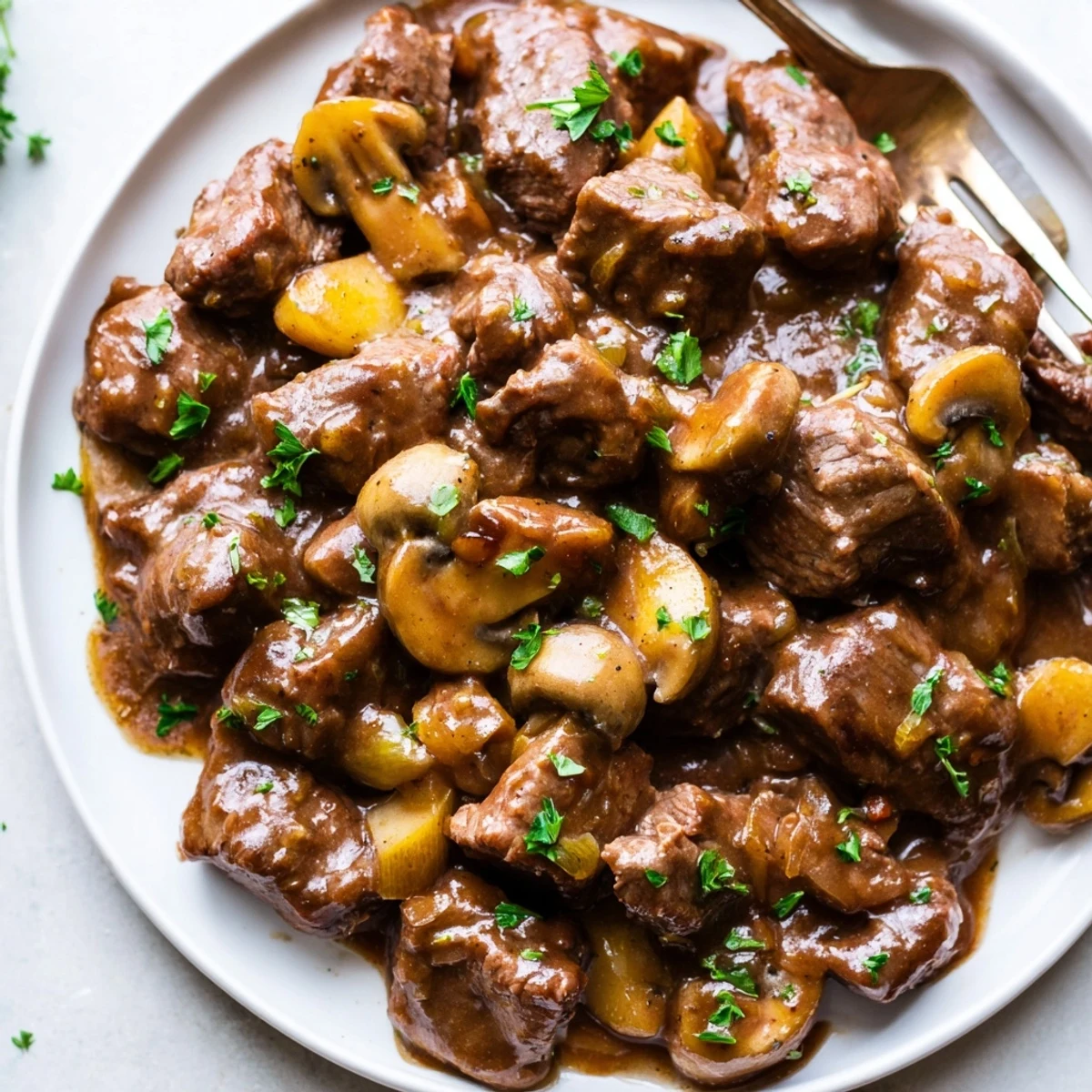
 There is something about a plate of steak tips and gravy that turns a kitchen table into a gathering place. I have watched picky eaters go back for thirds and quiet conversations stretch long past the last bite.
What to Serve Alongside
Mashed potatoes are the classic choice and for good reason, because they soak up that gravy like nothing else. Egg noodles are a close second in my household, especially on nights when nobody has the patience to boil and mash potatoes. Rice works too, particularly if you like how each grain picks up the sauce differently than a noodle would. A simple green salad or some roasted green beans on the side balance the richness and add a bit of crunch to the plate.
Storage and Leftovers
This dish keeps remarkably well in the refrigerator for up to two days, and some swear it tastes even better the next day when the flavors have had time to mingle. Store it in an airtight container and reheat gently on the stove over low heat, adding a splash of broth if the gravy has thickened too much overnight. The beef may tighten slightly in the fridge but will relax again as it warms through. I would not recommend freezing it because the flour based gravy can separate and become grainy when thawed.
Getting the Best Sear Every Time
The secret to a truly great steak tip dinner is patience during the searing step, which is the one place people tend to rush. A hot pan and dry beef are your two best friends here, so pat the pieces dry with a paper towel before they go in and resist the urge to move them around. The Maillard reaction, which is what gives browned meat its incredible flavor, needs uninterrupted contact with the hot surface to do its work.
- Pat beef dry with paper towels before searing for a cleaner, deeper crust.
- Let the pan preheat for at least two minutes so it is genuinely hot when the meat hits it.
- Trust the process and do not flip until the beef releases naturally from the pan.
 Save to Pinterest
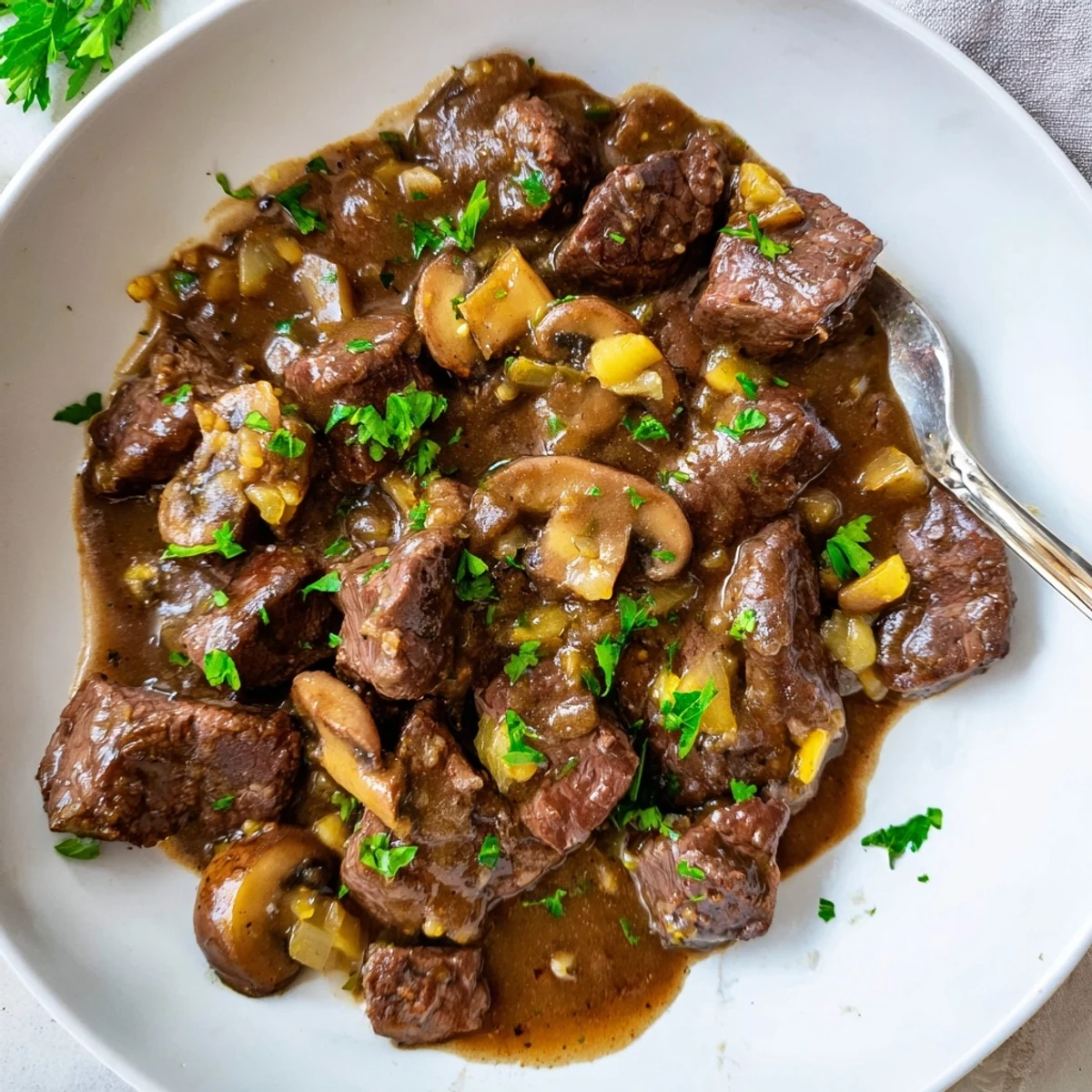
 Some recipes become staples because they are easy, and others earn their spot because they make people happy around the table. This one does both, and that is why it will never leave my weeknight rotation.
Recipe FAQ
- → What cut of beef works best for steak tips?
-
Beef sirloin or stew beef are ideal choices. Sirloin stays tender with quick searing, while stew beef benefits from the simmering time in gravy to become fork-tender.
- → Can I make steak tips and gravy ahead of time?
-
Yes, this dish actually tastes better the next day as the flavors meld together. Store leftovers refrigerated for up to 2 days and reheat gently on the stovetop.
- → What should I serve with steak tips and gravy?
-
Mashed potatoes, steamed rice, or egg noodles are classic pairings. The gravy soaks beautifully into all three. A side of green beans or a simple salad rounds out the meal.
- → How do I thicken the gravy if it's too thin?
-
Continue simmering uncovered for a few more minutes to reduce the liquid. You can also mix 1 tablespoon of cornstarch with 2 tablespoons of cold water and stir it into the simmering gravy.
- → Can I make this dish gluten-free?
-
Absolutely. Swap the all-purpose flour for a gluten-free flour blend and use gluten-free Worcestershire sauce. The gravy will thicken just as well with either option.
- → Do I have to use mushrooms in this dish?
-
Mushrooms are optional. They add depth and earthy flavor to the gravy, but you can omit them entirely or substitute with diced bell peppers for a different flavor profile.