
 Save to Pinterest
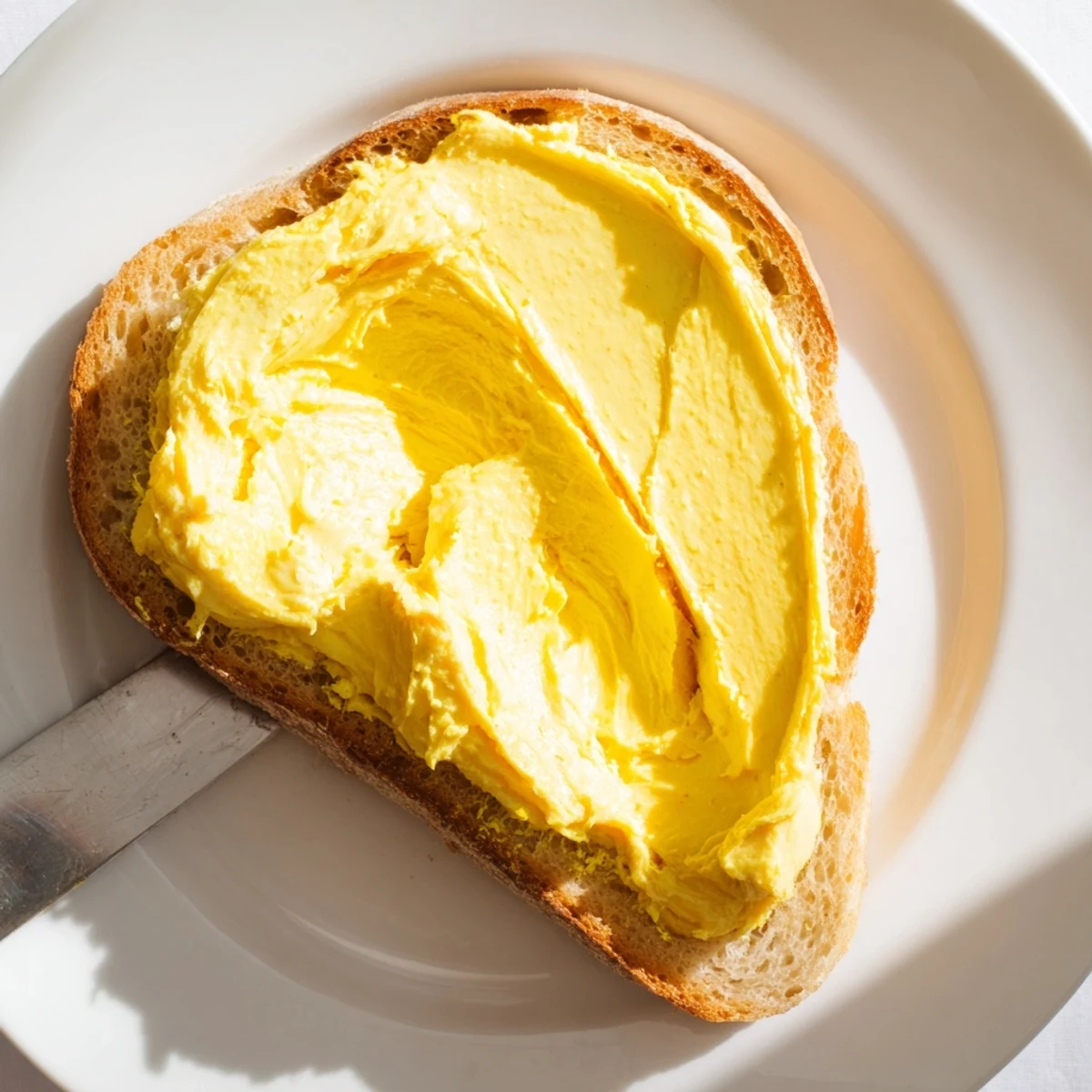
 Whip up a luxurious dairy-free alternative using coconut oil, neutral oil, and plant milk. This velvety spread delivers all the richness of traditional butter while remaining completely vegan. Simply blend, chill, and enjoy on warm bread, folded into baked goods, or melted over vegetables.
The first time I made vegan butter, I stood in my kitchen staring at the blender like it might judge me. Ten minutes later, I was spreading something golden on toast that actually tasted like butter, and my dairy-loving partner couldn't tell the difference.
Last summer I served this at a brunch where three guests were vegan and two were severely lactose intolerant. Watching everyone butter their toast without asking what they could eat was honestly kind of magical.
Ingredients
- Refined coconut oil: I learned the hard way that unrefined gives everything a weird tropical taste, so spring for refined if you want authentic butter flavor
- Neutral oil: Sunflower or grapeseed keeps the texture creamy without adding any competing flavors
- Unsweetened soy milk: The protein helps emulsify everything, though oat milk works if you need soy free
- Apple cider vinegar: Just a tiny hint creates that slight tang real butter has
- Sea salt: Don't skip this, salt is what makes butter taste like butter
- Nutritional yeast: Totally optional but adds that extra buttery richness people swear they can taste
- Ground turmeric: Barely enough to color, but that golden hue somehow makes it taste more authentic
- Sunflower lecithin: This is the secret that keeps your butter from separating into weird oil puddles
Instructions
- Melt and cool the coconut oil:
- Heat it just until liquid, then give it a few minutes so it's not scorching hot when you add everything else
- Blend it all together:
- Throw everything into your blender and let it rip on high for a full two minutes, watching the mixture turn from weirdly separated to gorgeous and creamy
- Pour into your container:
- Choose whatever you'll store it in, something with a tight lid, and pour carefully since it's still liquid
- Let it set up:
- The fridge does its magic for at least two hours, and suddenly you have spreadable butter
 Save to Pinterest
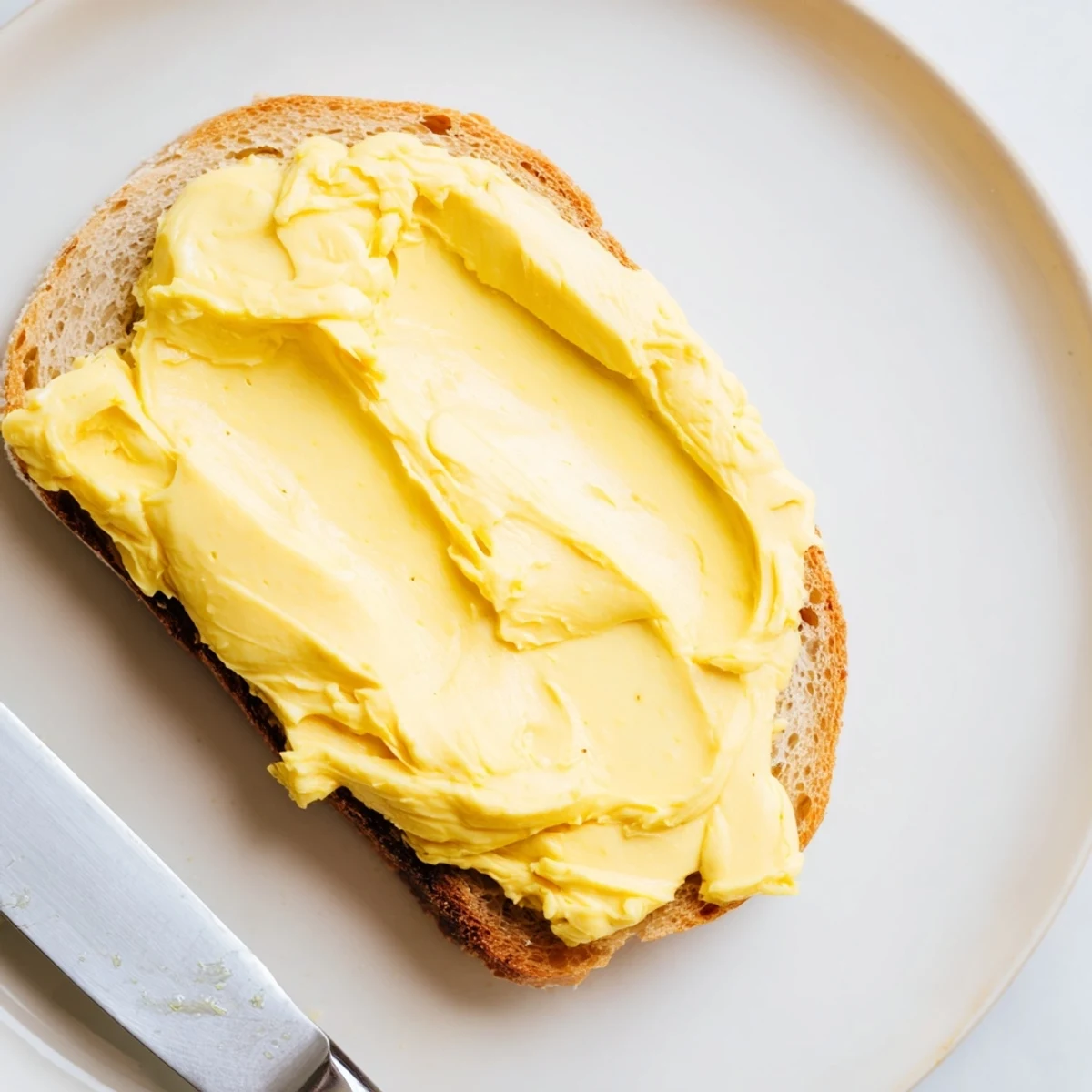
 My mom, who's been skeptical of vegan everything for years, accidentally used this on her vegetables and asked what brand of European butter I'd bought. I still haven't told her.
Customize Your Flavor
Sometimes I'll add a pinch of garlic powder and some chopped fresh herbs, turning this into an instant compound butter that makes plain bread feel restaurant fancy. A little maple syrup and cinnamon makes the best version for morning toast.
Troubleshooting Texture Issues
If your butter separates into oil and solids, it probably wasn't blended long enough or the coconut oil was too hot when you added the milk. You can rescue it by gently warming and re blending, but honestly, I've learned to just start fresh with room temperature ingredients.
Make It Your Own
This recipe is incredibly forgiving once you understand the basics. Play around with different oils, add a drop of liquid smoke for savory depth, or mix in some nutritional yeast if you want that extra umami hit.
- Double everything because this goes faster than you'd expect
- Label your container so family members don't accidentally use it in baking without knowing the melting point differs
- Keep a small portion at room temp if you go through it quickly, like we do
 Save to Pinterest
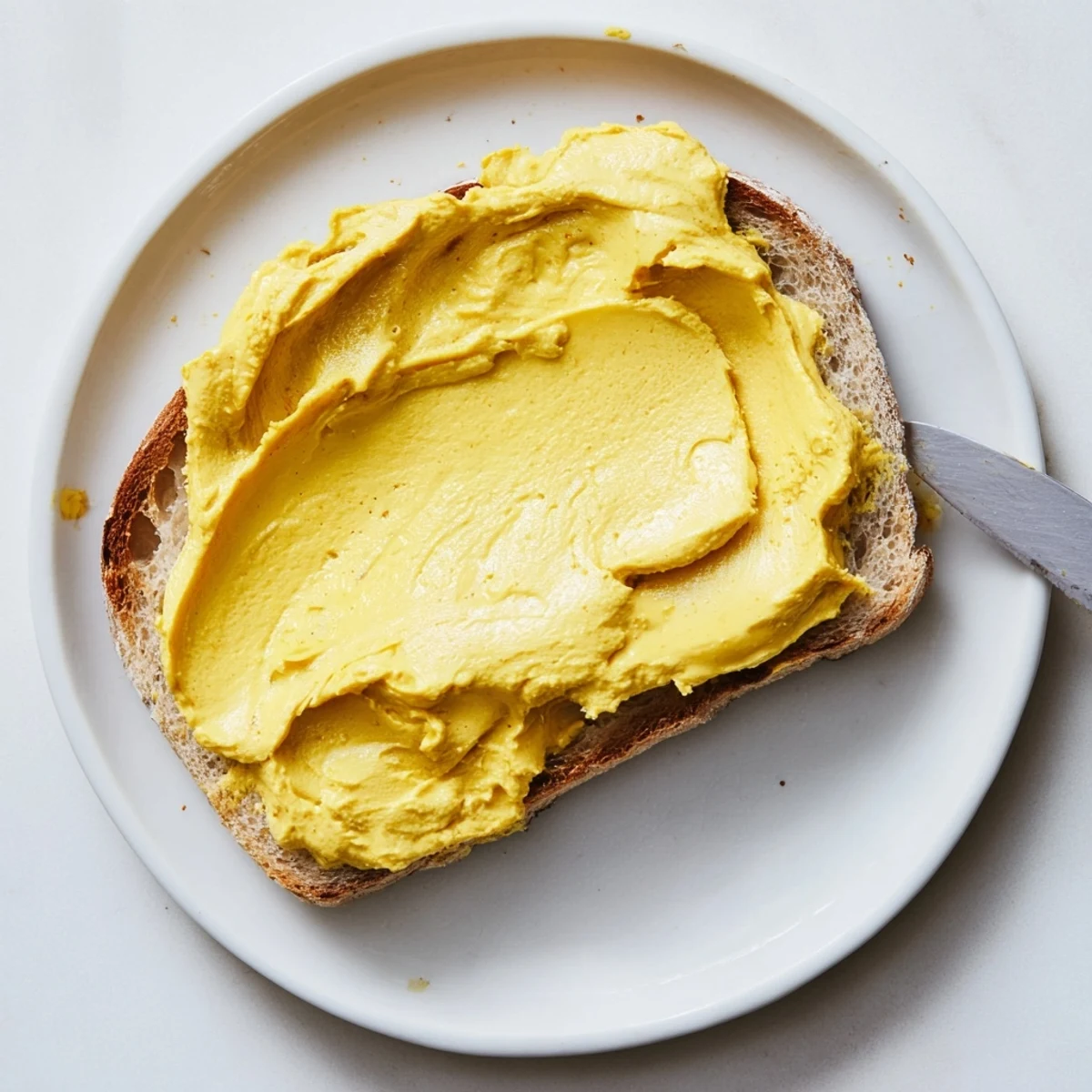
 There's something deeply satisfying about opening your fridge and seeing a jar of butter you made yourself, knowing exactly what's in it.
Recipe FAQ
- → How long does homemade vegan butter last?
-
Store your plant-based butter in an airtight container in the refrigerator for up to two weeks. Allow it to soften at room temperature for a few minutes before spreading for best results.
- → Can I use unrefined coconut oil?
-
Refined coconut oil works best to avoid any coconut flavor in your finished spread. However, if you enjoy a subtle coconut taste, unrefined oil is perfectly acceptable to use.
- → What makes this butter spreadable?
-
The combination of coconut oil and neutral liquid oils creates the perfect consistency. Lecithin acts as an emulsifier, binding ingredients together for a smooth texture that firms beautifully when chilled.
- → Is this suitable for baking?
-
Absolutely! This plant-based alternative performs wonderfully in cookies, cakes, and pastries. Use it as a 1:1 substitute in any recipe calling for traditional butter.
- → Can I make this soy-free?
-
Simply substitute oat or almond milk for soy milk and ensure you're using sunflower lecithin instead of soy lecithin. The result remains just as creamy and delicious.