
 Save to Pinterest
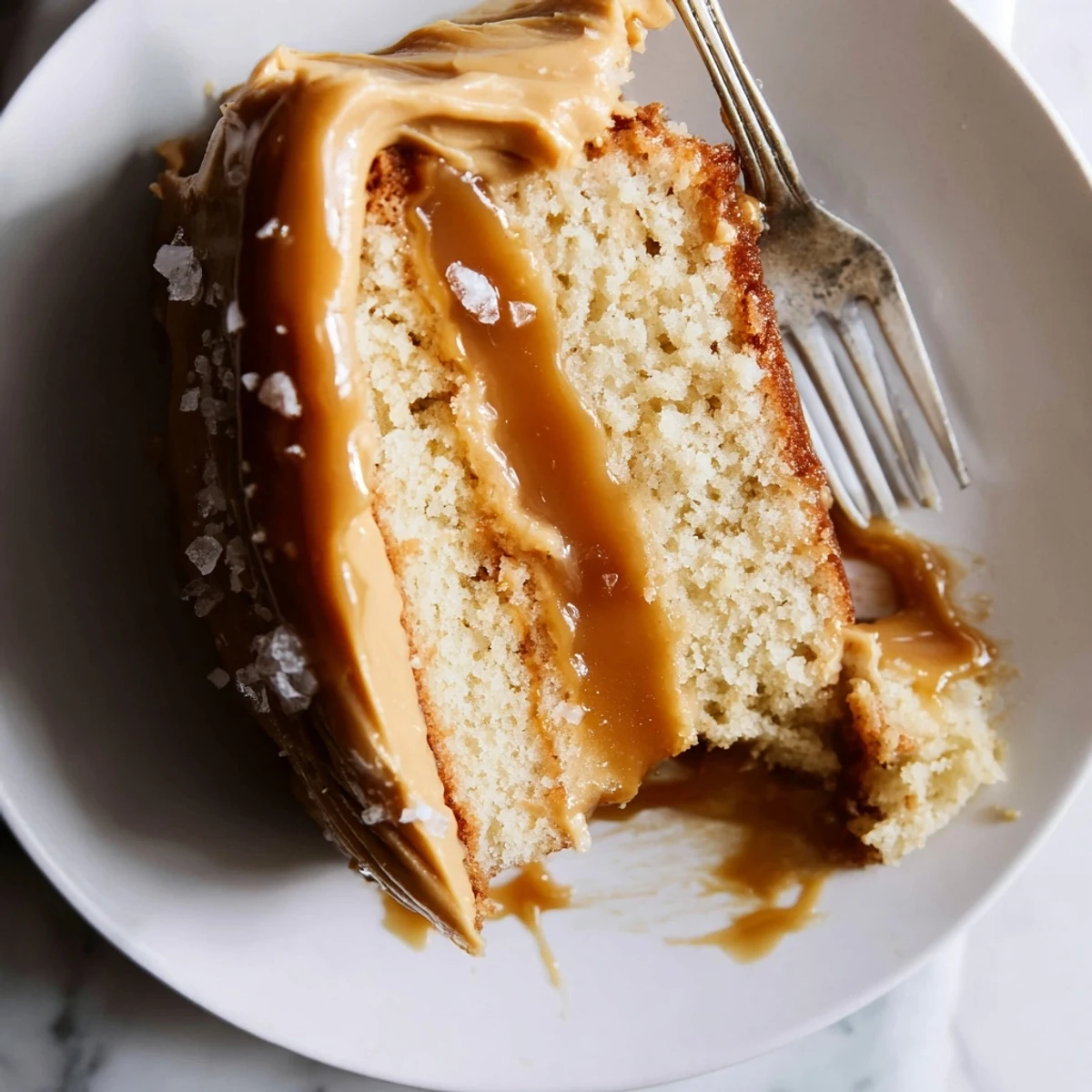
 This indulgent banana cake combines the warmth of browned butter with naturally sweet mashed bananas for a moist, flavorful base. The cake is enhanced with homemade salted caramel sauce that brings a perfect balance of sweet and savory notes. A rich caramel frosting ties everything together, creating a stunning dessert that's ideal for celebrations or whenever you want to treat yourself to something truly special.
The smell of browning butter hit me one Tuesday evening when I was just trying to use up bananas that had gone embarrassingly dark on the counter. I was swirling the pan, half watching the butter foam and half listening to a podcast, when the color shifted to amber and the kitchen suddenly smelled like toasted hazelnuts and warm mornings. That single sniff rewired my entire approach to banana cake, and within a week I had made three versions trying to get it right. This recipe is the one that finally made me stop tinkering.
I brought this cake to a friends potluck and watched three people go quiet after their first bite, which is honestly the highest compliment any home baker can receive.
Ingredients
- 170 g unsalted butter for browning: The whole magic starts here, so use good quality butter and watch it like a hawk because it goes from golden to burnt in seconds.
- 300 g all purpose flour: Spoon and level it gently because packed flour will give you a dense, heavy crumb.
- 1 tsp baking soda: This is your only leavening agent, so make sure it is fresh and not sitting in the back of the cupboard from 2019.
- 1/2 tsp salt: Just enough to sharpen the sweetness without making it taste salty.
- 3 to 4 ripe bananas, about 1 1/2 cups mashed: The uglier and more speckled the bananas, the sweeter and more intense the flavor.
- 200 g granulated sugar and 100 g brown sugar: The brown sugar adds moisture and a gentle molasses note that pairs beautifully with the caramel layers.
- 2 large eggs: Room temperature eggs blend more smoothly into the batter.
- 120 ml buttermilk: This adds tang and tenderness, and if you do not have any, a splash of lemon juice in regular milk works in a pinch.
- 2 tsp vanilla extract: Do not skip this, it rounds out every flavor in the cake.
- 200 g granulated sugar and 60 ml water for caramel: The base of your salted caramel, and the only rule is resist the urge to stir.
- 115 g unsalted butter and 120 ml heavy cream for caramel: Room temperature cream helps prevent the caramel from seizing when you pour it in.
- 1 tsp flaked sea salt: This is what makes the caramel sing instead of just being sweet.
- 115 g unsalted butter for frosting: Softened but not melted, because greasy frosting is a tragedy.
- 240 g powdered sugar: Sift it to avoid lumps that will show up at the worst possible moment.
- 4 to 5 tbsp salted caramel sauce for frosting: Straight from the batch you just made, which is deeply satisfying.
- 1 to 2 tbsp milk or cream for frosting: Just enough to reach a spreadable consistency.
Instructions
- Preheat and prepare your pans:
- Set the oven to 175 degrees Celsius, grease two 20 cm cake pans, and dust them with flour, tapping out the excess so you get clean edges later.
- Brown the butter:
- Melt the 170 g of butter in a saucepan over medium heat, swirling the pan frequently until the butter foams, the foam subsides, and you see golden brown flecks at the bottom with a warm nutty smell filling the room.
- Whisk the dry ingredients:
- In a medium bowl, combine the flour, baking soda, and salt with a whisk until evenly distributed.
- Bring the wet ingredients together:
- In a large bowl, mash the bananas well, then stir in both sugars, the eggs, buttermilk, vanilla, and the cooled brown butter until everything is smoothly combined.
- Fold wet and dry together:
- Gradually add the dry ingredients to the wet mixture, folding gently with a spatula just until no streaks of flour remain, because overmixing will toughen the crumb.
- Bake the layers:
- Divide the batter evenly between the two pans, smooth the tops, and bake for 35 to 40 minutes until a toothpick inserted in the center comes out clean.
- Cool the cakes:
- Let the cakes rest in their pans for 10 minutes, then turn them out onto wire racks to cool completely before you even think about frosting.
- Make the salted caramel sauce:
- Combine sugar and water in a saucepan over medium heat and do not stir, just let it bubble until it turns a deep amber color, then remove from heat and carefully stir in the cubed butter, followed by a slow whisk of the cream, and finish with the flaked sea salt.
- Prepare the caramel frosting:
- Beat the softened butter until creamy, then gradually add the sifted powdered sugar and a pinch of salt, followed by 4 to 5 tablespoons of your caramel sauce and enough milk to reach a silky, spreadable texture.
- Assemble the cake:
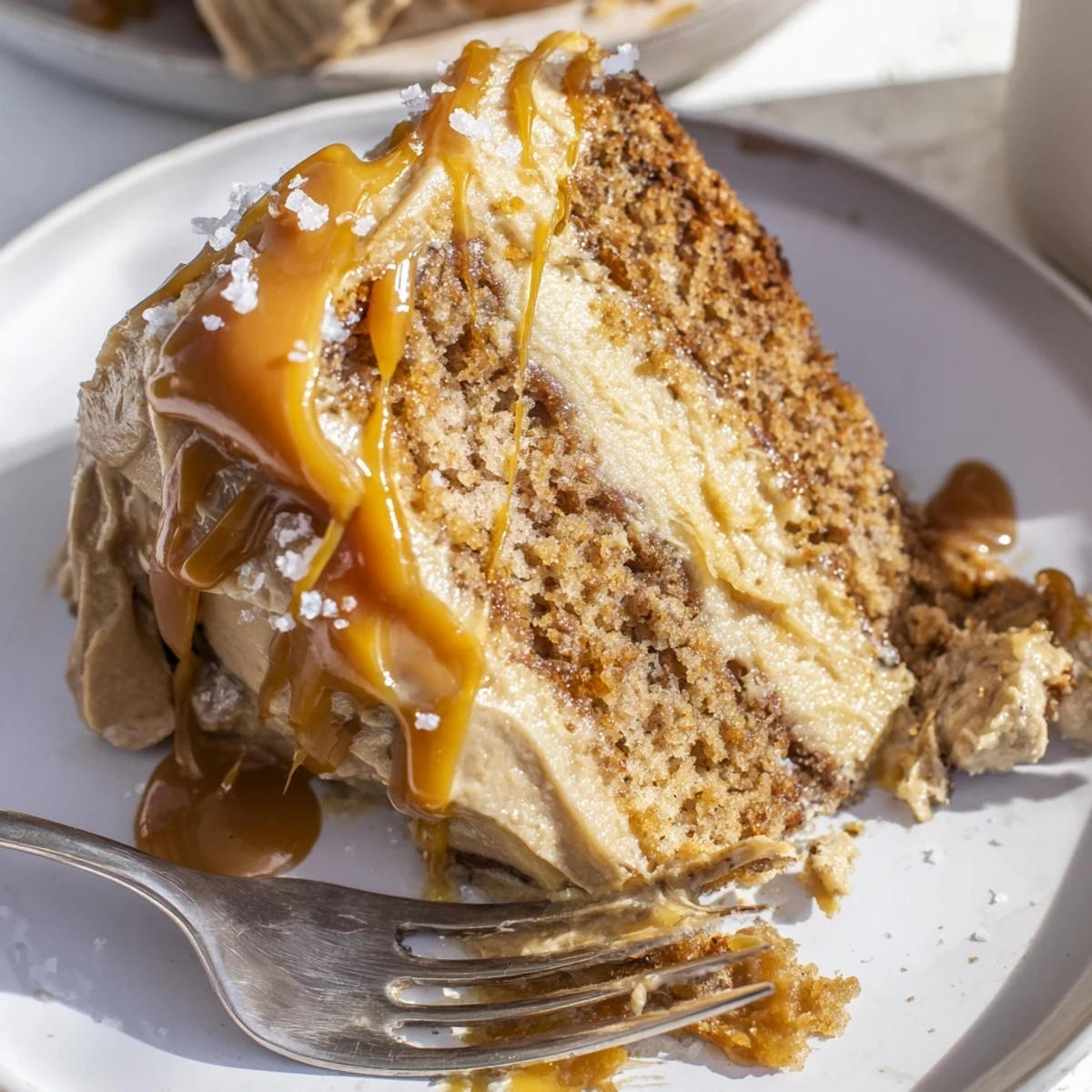
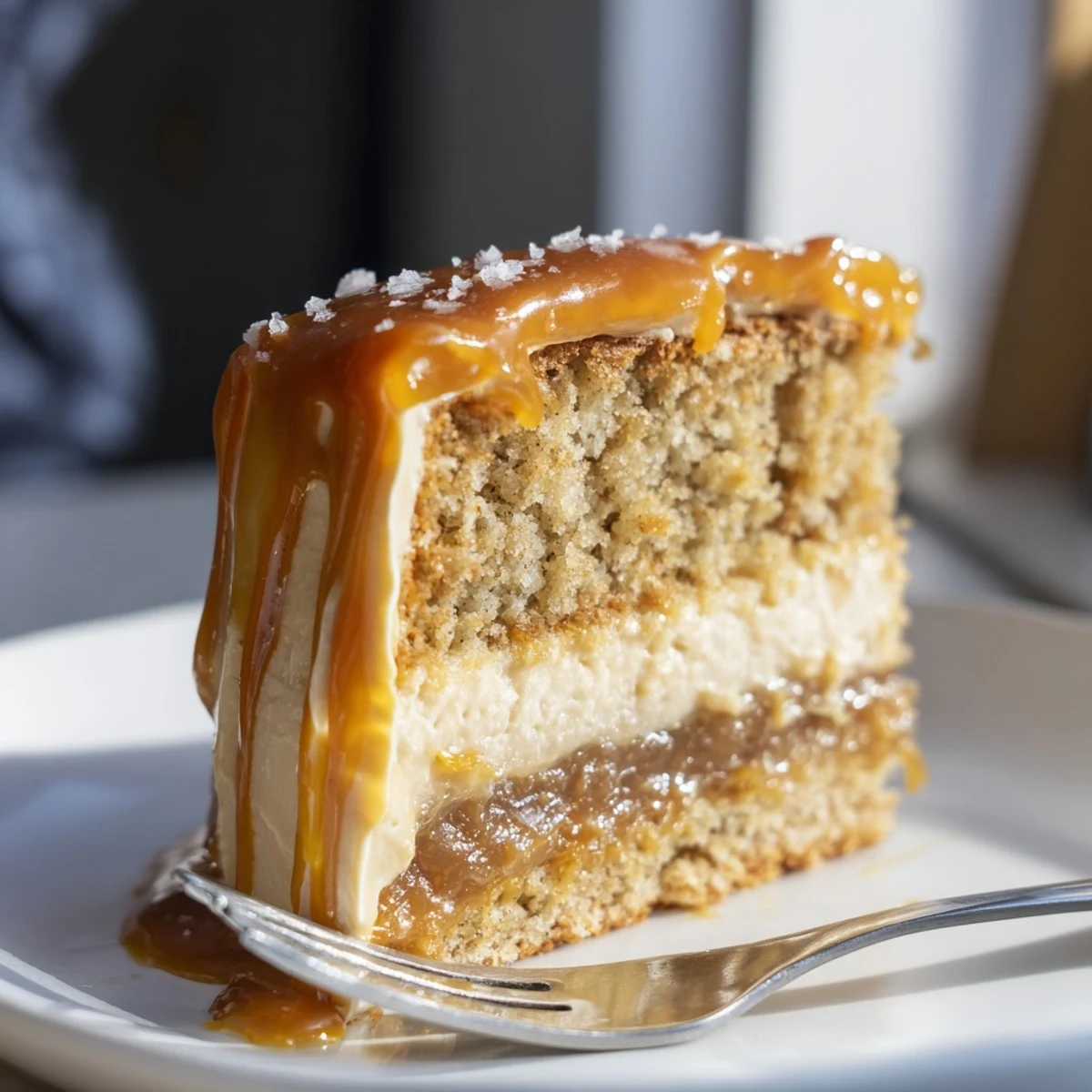
- Place the first layer on a plate, spread a generous amount of frosting across the top, drizzle with caramel sauce, set the second layer on top, and frost the entire cake before finishing with more caramel drizzle and a sprinkle of flaked salt.
 Save to Pinterest
 There is something quietly magical about pulling a cake from the oven when the house is dark outside and the whole kitchen smells like butter and bananas and possibility.
What I Learned From Burning Two Batches of Caramel
Caramel is one of those things that punishes impatience ruthlessly, and I learned that the hard way when my first attempt turned into a black, smoking mess that set off every alarm in my apartment. The trick is medium heat, no stirring, and trusting that the edges will darken first while the center catches up.
Storing and Serving This Cake
This cake actually improves after a night in the fridge because the caramel seeps into the layers and everything melds together beautifully. Let it sit at room temperature for about 30 minutes before serving so the frosting softens to the right texture. If you are feeling extra indulgent, a scoop of vanilla ice cream on the side turns a slice into a full dessert experience. Chopped toasted pecans layered between the cakes add a crunch that contrasts the softness in the best way.
Tools That Make This Easier
You do not need fancy equipment but a few things will save you real frustration. A light colored saucepan helps you see the caramel color change clearly, because dark pans make it almost impossible to judge. A stand mixer makes the frosting effortless, though a hand mixer and some determination work too. Two matching 20 cm cake pans ensure even baking so your layers stack neatly.
- Line your cake pans with parchment rounds for the most reliable, stick free release.
- Keep a heatproof spatula near the caramel pan because regular spatulas can melt at high temperatures.
- Always test your toothpick in the center of the cake, not near the edges where it will come out clean early.
 Save to Pinterest
 This is the kind of cake that makes people close their eyes when they take the first bite, and honestly that is worth every minute spent watching butter brown and sugar transform. Bake it for someone you love, or just bake it for a Tuesday that deserves something special.
Recipe FAQ
- → Can I make the caramel sauce ahead of time?
-
Yes, prepare the salted caramel sauce up to one week in advance and store it in an airtight container in the refrigerator. Gently reheat before using to achieve spreadable consistency.
- → How do I know when the butter is properly browned?
-
The butter will foam, then golden-brown specks will appear at the bottom of the pan and you'll notice a distinct nutty aroma. Remove from heat immediately to prevent burning.
- → What's the best way to store this cake?
-
Keep refrigerated in an airtight container for up to 4 days. Bring to room temperature for 30 minutes before serving for the best texture and flavor.
- → Can I freeze the unfrosted cake layers?
-
Absolutely. Wrap cooled layers tightly in plastic wrap and freeze for up to 3 months. Thaw overnight in the refrigerator before frosting and assembling.
- → Why did my caramel sauce seize?
-
This happens when cream is added while the sugar is too hot. Remove your caramel from heat for 30 seconds before pouring in cream, and add it very slowly while whisking constantly.