
 Save to Pinterest
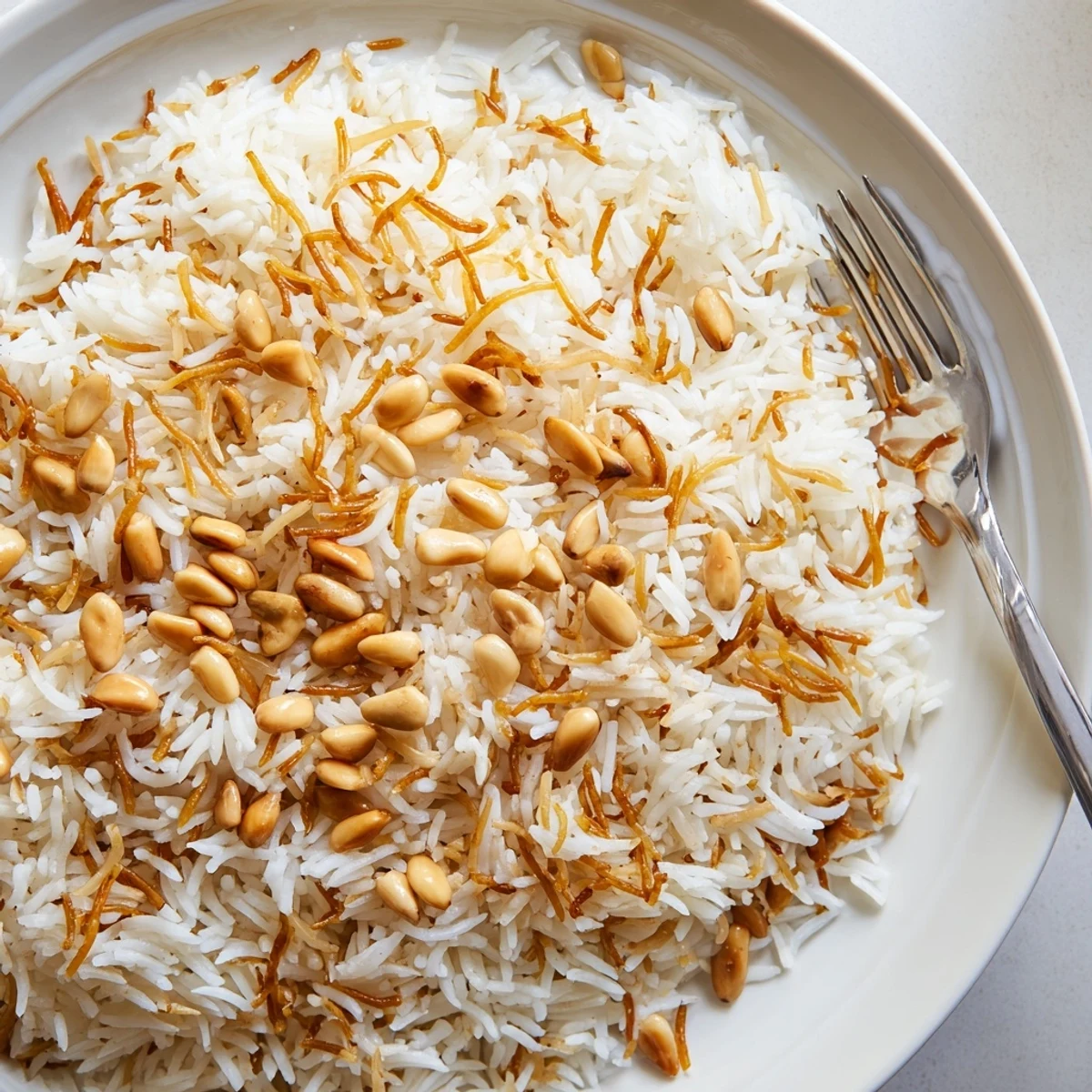
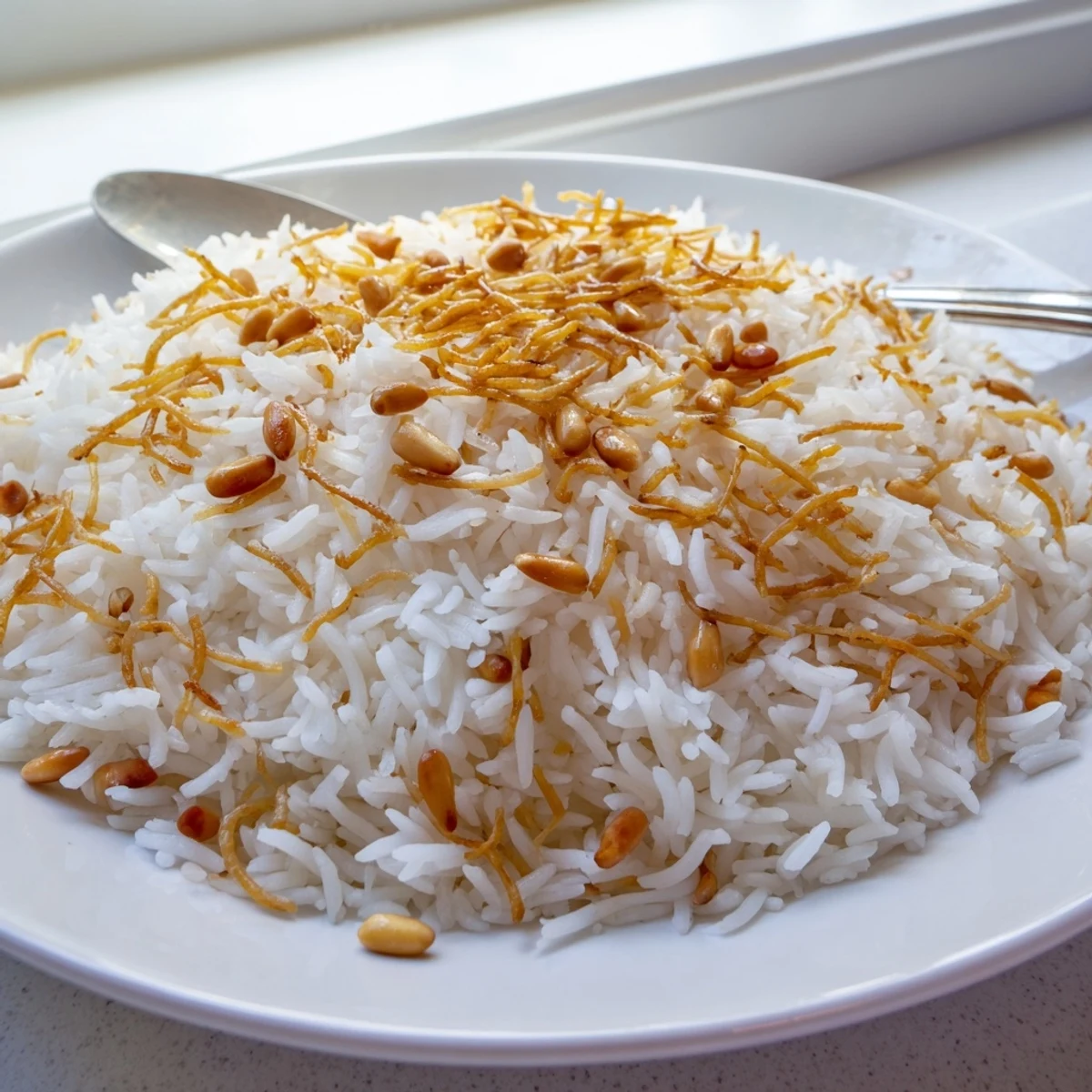
 Lebanese rice is a fragrant, fluffy side dish made by toasting broken vermicelli noodles in butter or olive oil until deep golden brown, then simmering with long-grain white rice until perfectly tender.
Each grain stays separate and light, enriched by the nutty flavor of toasted pasta. A generous garnish of golden pine nuts adds a satisfying crunch.
Ready in just 25 minutes with minimal effort, it pairs beautifully with grilled meats, hearty stews, or roasted vegetables. It's a versatile staple you'll find yourself making again and again.
The sound of vermicelli clicking against the sides of a hot pan is one of those small kitchen noises I never get tired of. It is a brittle, papery rustle that promises something golden and nutty is about to happen. My friend Rimas taught me this rice on a rainy Tuesday when I complained that my basmati always turned out clumpy and sad.
Rimas stood at my stove, barefoot, gesturing at the pan with a wooden spoon, telling me that the secret was patience with the noodles and absolute stillness once the lid went on. I burned the first batch of vermicelli because we were busy arguing about whether to use butter or olive oil. The second batch was perfect, and I have never made plain rice since.
Ingredients
- Long grain white rice (1 cup, rinsed): Basmati is ideal for its long, separate grains that stay fluffy rather than sticking together.
- Vermicelli noodles, broken into 1 inch pieces (1/3 cup): These thin pasta threads toast into golden crunch and give Lebanese rice its signature nutty flavor.
- Unsalted butter or olive oil (2 tablespoons): Butter offers richness while olive oil keeps the dish vegan and adds a fruity edge.
- Water or low sodium vegetable broth (2 cups): Broth deepens the savory character, but water works beautifully when serving alongside saucy mains.
- Pine nuts for garnish (2 tablespoons, optional): A scattering of toasted pine nuts on top turns a humble side into something worthy of a dinner party.
- Salt (1 teaspoon) and black pepper (1/4 teaspoon): Proper seasoning is what elevates this from plain rice to something people ask about.
Instructions
- Rinse and drain the rice:
- Run cold water through the rice in a fine mesh strainer, swishing with your fingers, until the water runs completely clear.
- Toast the pine nuts:
- Melt the butter or heat the olive oil in a medium saucepan over medium heat, then sauté the pine nuts for one to two minutes until they blush gold, and immediately transfer them to a small plate.
- Brown the vermicelli:
- Add the broken vermicelli to the same pan and stir constantly for three to four minutes until the pieces turn a deep, even amber color, pulling the pan off heat the moment they darken.
- Coat the rice:
- Stir the rinsed rice into the toasted noodles, letting every grain glisten with butter or oil for about thirty seconds.
- Add liquid and season:
- Pour in the water or broth, season with salt and pepper, and bring everything to a gentle, bubbling boil.
- Cover and simmer:
- Drop the heat to its lowest setting, clamp on the lid, and walk away for fifteen minutes without peeking or stirring.
- Rest and fluff:
- Take the pot off the heat and let it sit, still covered, for five minutes, then gently fold the rice with a fork to separate each grain.
- Garnish and serve:
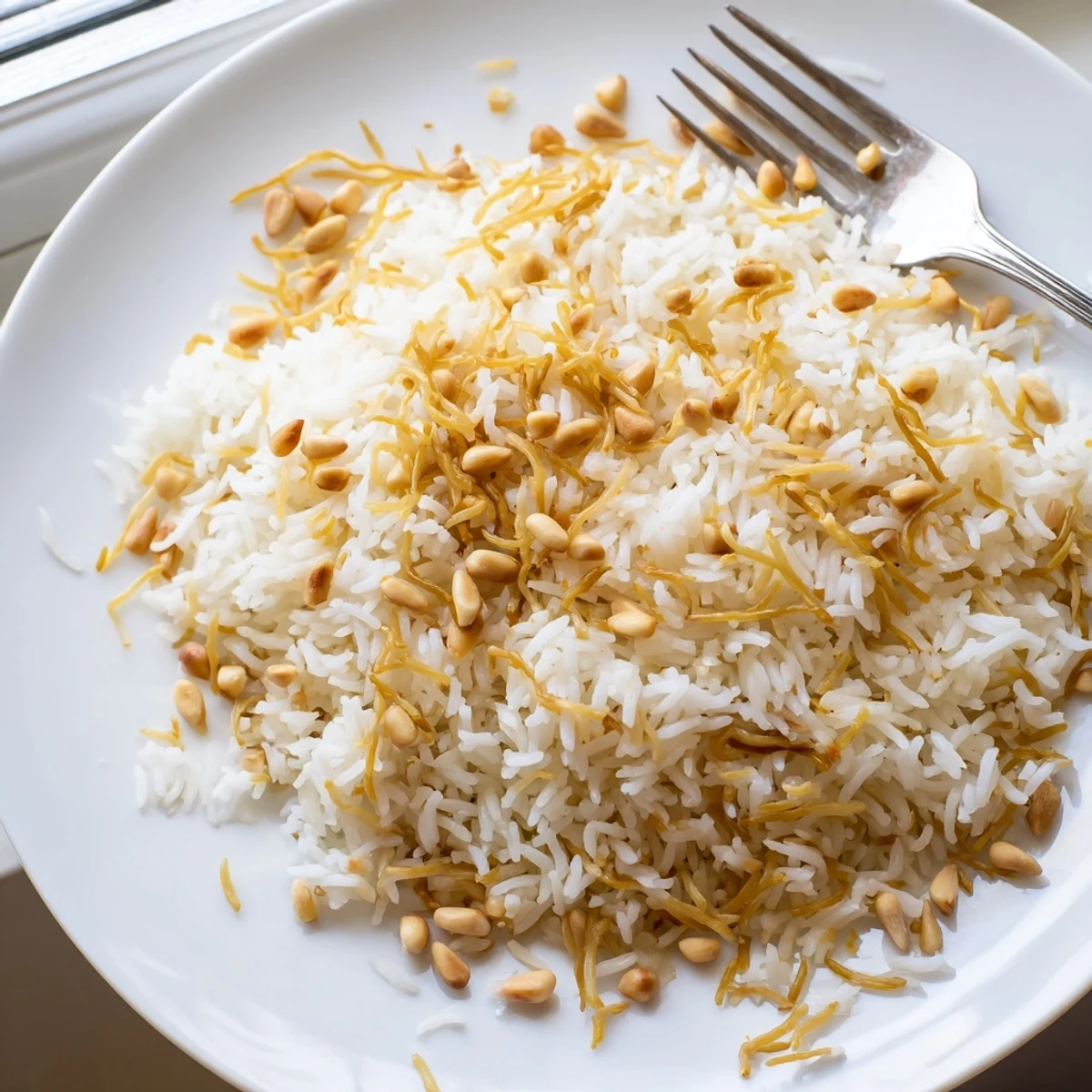
- Spoon the rice into a serving dish and scatter the reserved pine nuts over the top while everything is still warm.
 Save to Pinterest
 One evening I brought a big bowl of this rice to a potluck alongside a slow cooked lamb stew, and a woman I had never met tracked me down to ask how the rice tasted so buttery without being heavy. That single question turned into a half hour conversation about our grandmothers and the foods that shaped us.
Serving Suggestions
This rice is a generous companion to almost anything saucy or grilled. Spoon it next to spiced lamb kofta, ladle stew over it, or serve it simply with a dollop of yogurt and a chopped cucumber salad on the side. It also makes a surprisingly satisfying lunch on its own with nothing more than a drizzle of good olive oil.
Making It Ahead
You can cook a double batch and store the leftovers in an airtight container in the refrigerator for up to four days. Reheat it in a skillet with a splash of water and a bit of oil, fluffing as it warms, and it revives beautifully. Day old Lebanese rice also makes an extraordinary base for quick fried rice with garlic, egg, and whatever vegetables are hanging around.
What to Watch Out For
There are a few small things that can trip you up the first time you make this, but none of them are difficult once you know what to expect.
- If the vermicelli browns unevenly, your pan hotspots are the culprit, so keep the pieces moving and consider a slightly lower heat.
- Rinsing the rice until the water runs truly clear is the difference between gummy and graceful, so do not rush this step.
- Remember that the rice continues cooking during the five minute rest, so pull it off heat the moment the fifteen minutes are up.
 Save to Pinterest
 Keep this recipe close because once you make it, plain steamed rice will never feel like enough again. It is the kind of simple, perfect side that turns an ordinary weeknight dinner into something worth remembering.
Recipe FAQ
- → What type of rice works best for this dish?
-
Long-grain white rice like basmati or jasmine yields the fluffiest results. Basmati is the most traditional choice, producing slender, separate grains that stay light and never clump together.
- → Why do you toast the vermicelli before cooking?
-
Toasting the vermicelli in butter or oil until deep golden brown develops a rich, nutty flavor that infuses the entire dish. This step is essential to achieving the characteristic taste that sets Lebanese rice apart from plain steamed rice.
- → Can I make this dairy-free or vegan?
-
Yes, simply substitute olive oil for the butter. The result is equally delicious with a slightly different flavor profile. Extra virgin olive oil adds a lovely fruity note that complements the toasted vermicelli beautifully.
- → How do I prevent the vermicelli from burning?
-
Stir the vermicelli constantly while toasting and keep the heat at medium. The pasta goes from golden to burnt very quickly, so stay attentive. Remove the pan from heat immediately once it reaches a deep golden brown color.
- → Can I use broth instead of water?
-
Absolutely. Low-sodium vegetable or chicken broth adds another layer of flavor. If using regular broth, reduce the added salt to avoid over-seasoning the finished dish.
- → How should I store and reheat leftovers?
-
Store cooled rice in an airtight container in the refrigerator for up to 4 days. Reheat gently in the microwave with a splash of water, or repurpose leftovers into a quick fried rice by stir-frying with vegetables and seasonings.