
 Save to Pinterest
 Roast cauliflower florets until golden and tender, whisk a maple-soy teriyaki with garlic and ginger, thicken with a cornstarch slurry, then toss the hot cauliflower to glaze. Serve over brown or jasmine rice and top with julienned carrots, cucumber, edamame, avocado, green onions and sesame seeds. Ready in about 50 minutes for four portions; swap quinoa or cauliflower rice for a lower-carb option.
My kitchen smelled like a street food stall the evening I accidentally doubled the ginger in this teriyaki sauce, and honestly, that happy mistake changed everything about how I cook cauliflower. The loud sizzle of florets hitting a scorching baking sheet is now one of my favorite weeknight sounds. These power bowls turned a devout meat-and-potatoes friend into someone who texts me photos of his vegetable drawer. They are colorful, deeply satisfying, and deceptively simple for something that looks like it came from a restaurant.
I served these bowls at a small dinner party in March when rain had been falling for three straight days and everyone at the table needed something bright. My neighbor, who typically pushes vegetables around her plate without enthusiasm, went back for a second helping before touching her dessert. That quiet moment of watching someone genuinely enjoy a plant-based meal is why I keep coming back to this recipe.
Ingredients
- 1 large head cauliflower, cut into florets: The star of the bowl, and you want uniform pieces so everything roasts evenly without some burning while others stay tough.
- 2 tbsp olive oil: Just enough to coat each floret and encourage those deeply golden, crispy edges.
- 1/2 tsp salt and 1/4 tsp black pepper: A simple seasoning layer that enhances the natural nuttiness of roasted cauliflower.
- 1/3 cup soy sauce (gluten-free if needed): The salty, umami backbone of the teriyaki sauce, so choose a brand you genuinely enjoy.
- 3 tbsp maple syrup: Brings a gentle sweetness that balances the saltiness and helps the sauce glaze beautifully onto the cauliflower.
- 1 tbsp rice vinegar: Adds a slight tang that keeps the sauce from feeling one-dimensionally sweet.
- 1 tbsp sesame oil: A little goes a long way and imparts a toasty, deeply aromatic quality that ties everything to its Asian-inspired roots.
- 2 cloves garlic, minced, and 1 tbsp fresh ginger, grated: Fresh aromatics that make the sauce taste vibrant and homemade rather than bottled.
- 1 tbsp cornstarch mixed with 3 tbsp water: This slurry is the thickening magic that turns a thin liquid into a glossy, clingy glaze.
- 2 cups cooked brown rice or jasmine rice: The nourishing base that soaks up extra sauce and makes the bowl a complete meal.
- 1 large carrot, julienned, 1 cucumber, sliced, and 1 cup shelled edamame: Fresh and crunchy elements that bring color, texture, and protein to every bite.
- 1 avocado, sliced: Creaminess that rounds out the textures and makes each forkful feel luxurious.
- 1/4 cup sliced green onions and 1 tbsp sesame seeds: The finishing touches that add a fresh bite and a satisfying little crunch on top.
Instructions
- Roast the cauliflower until gloriously golden:
- Preheat your oven to 220 degrees Celsius (425 degrees Fahrenheit), spread the florets on a baking sheet, drizzle with olive oil, season with salt and pepper, and toss with your hands until every piece glistens. Roast for 25 to 30 minutes, flipping them halfway through, until you see deep caramelized edges and the kitchen smells incredible.
- Build the teriyaki sauce from scratch:
- In a small saucepan, whisk together the soy sauce, maple syrup, rice vinegar, sesame oil, minced garlic, and grated ginger, then bring it to a gentle simmer over medium heat until fragrant.
- Thicken the sauce until glossy:
- Stir the cornstarch and water together until smooth, then slowly pour this slurry into the simmering sauce while whisking constantly. Cook for one to two minutes until the sauce coats the back of a spoon and looks beautifully shiny.
- Toss the cauliflower in sauce:
- Transfer the hot roasted cauliflower into a large bowl, pour the warm teriyaki sauce over the top, and toss gently until every floret is coated in that sticky, savory glaze.
- Assemble your power bowls with care:
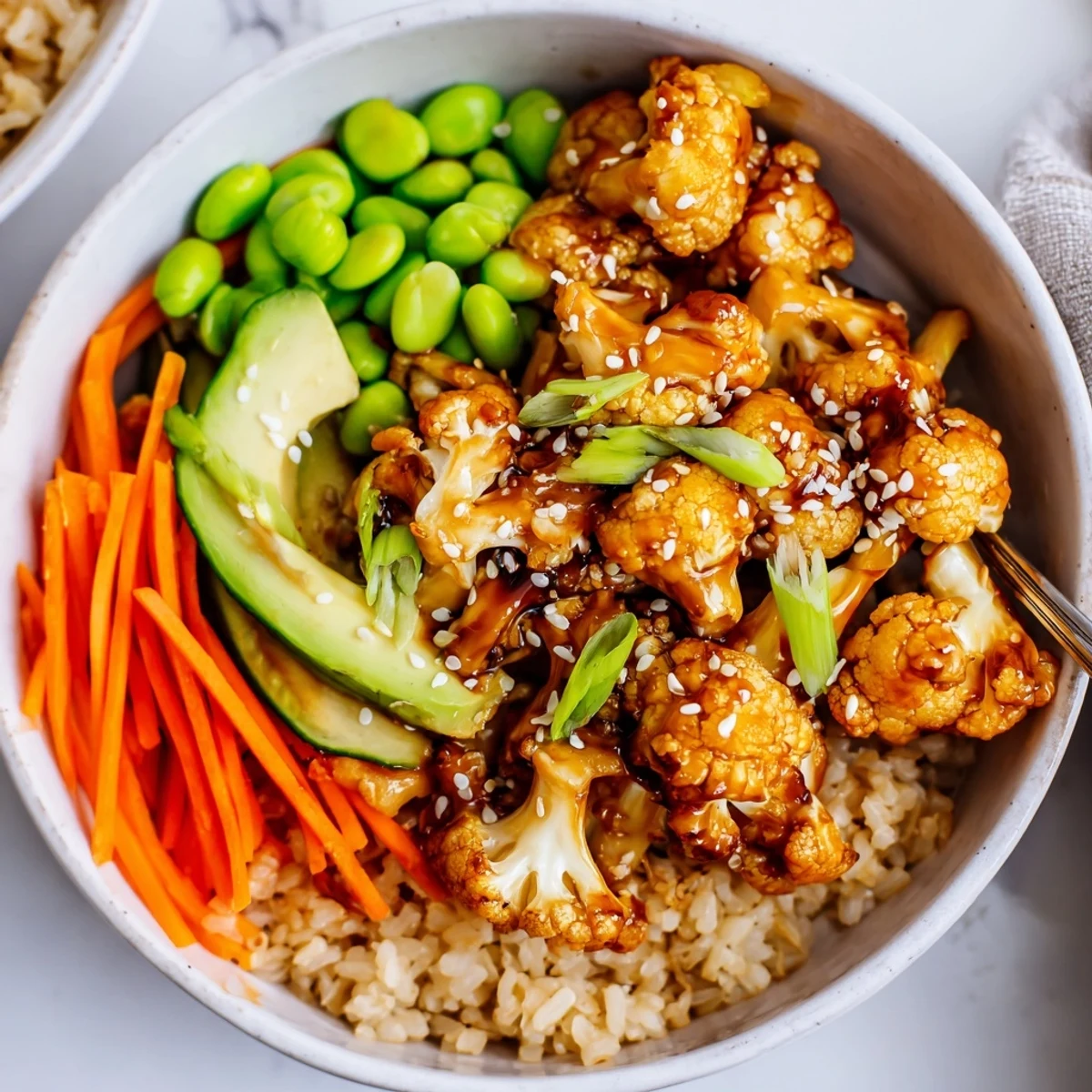
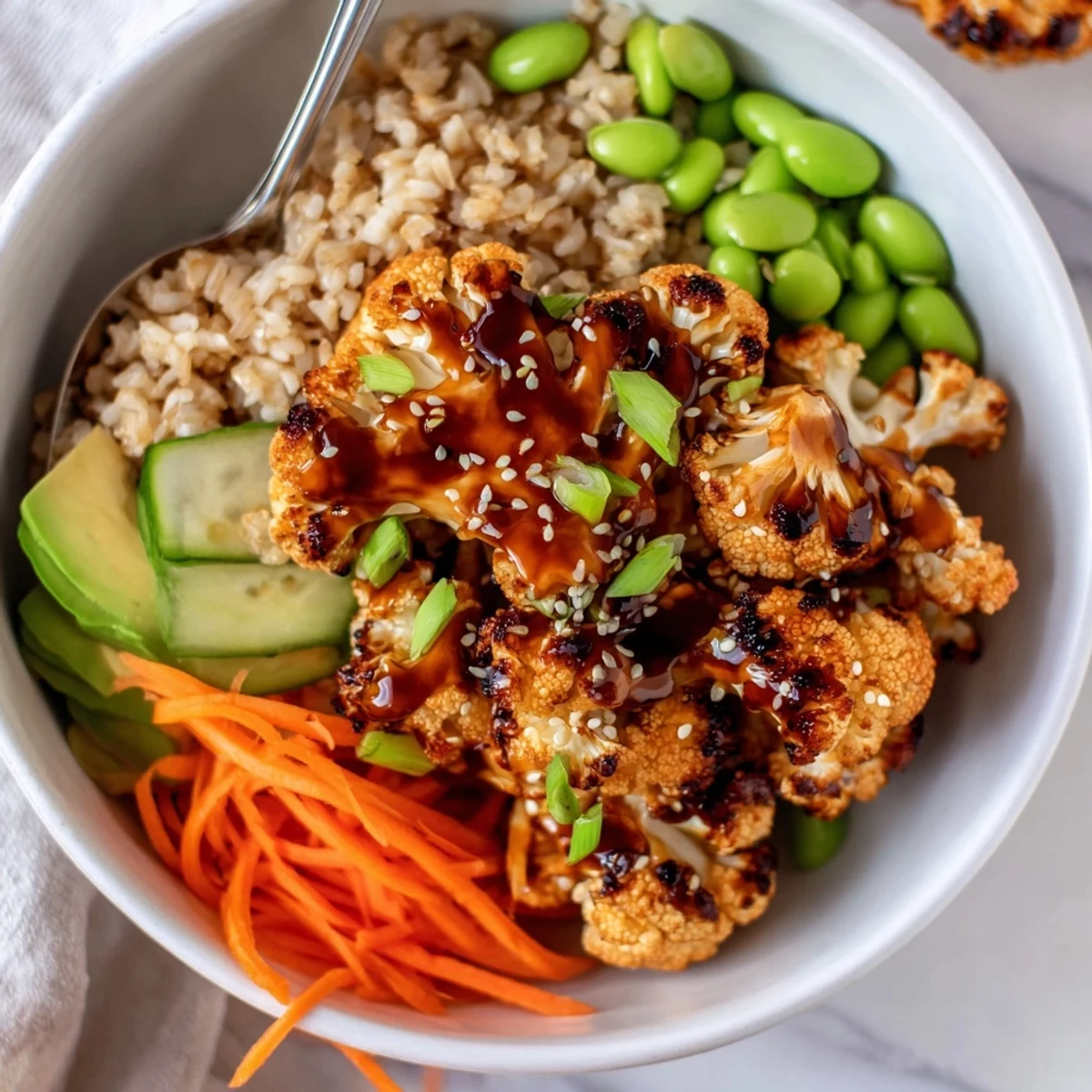
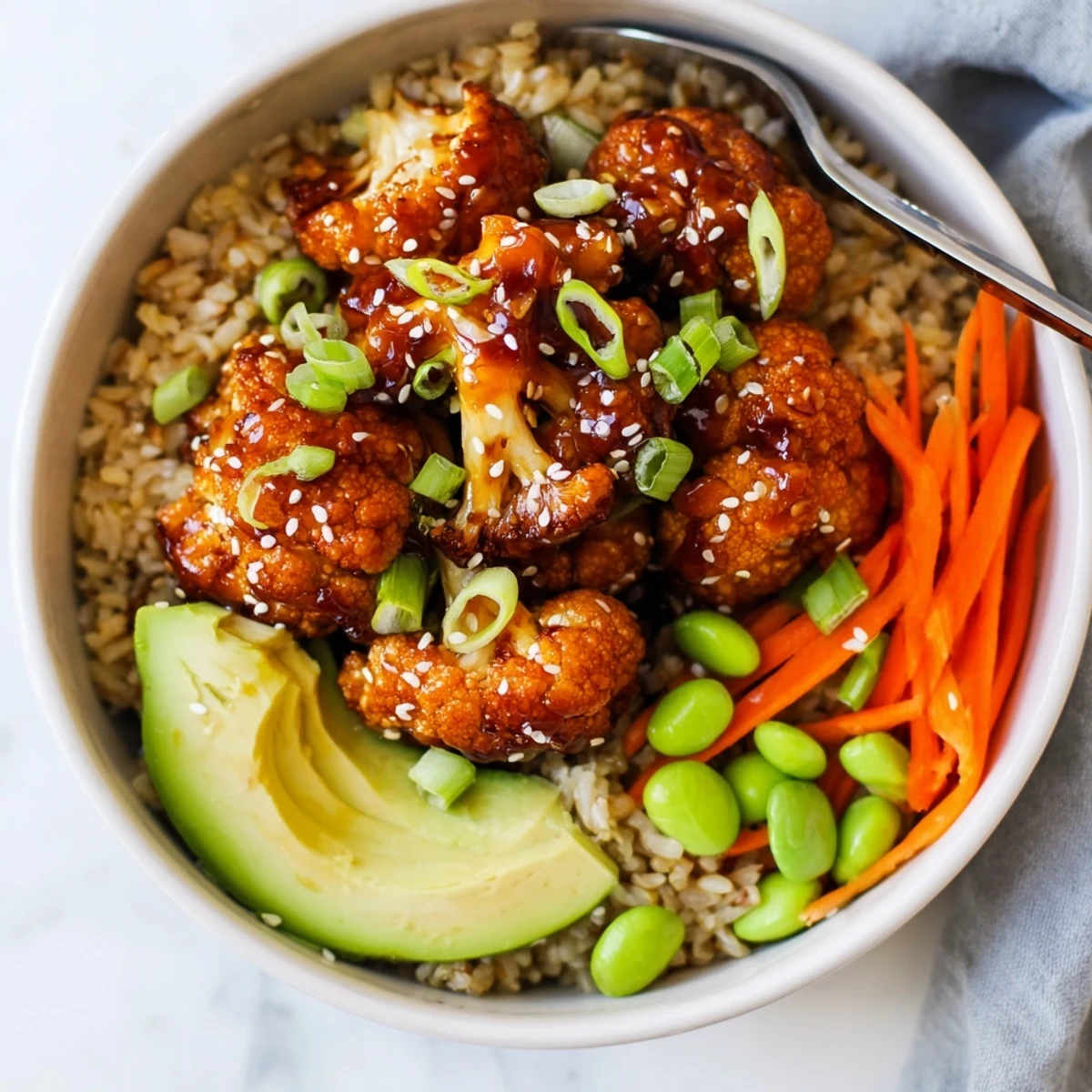
- Divide the cooked rice among four bowls, then arrange the teriyaki cauliflower alongside julienned carrots, cucumber slices, edamame, and avocado slices in neat sections. Scatter green onions and sesame seeds over the top and serve immediately while the cauliflower is still warm and the vegetables are crisp.
 Save to Pinterest
 There was a Tuesday night when I plated these bowls by lamplight after a long, grueling day, and the simple act of arranging avocado slices alongside bright orange carrots felt like a small act of self-care. Food has a quiet way of being exactly what you need if you let it.
Making It Your Own
Swap the rice for quinoa or even cauliflower rice if you want something lighter, and pile on shredded red cabbage or steamed broccoli for extra volume. A drizzle of sriracha across the top transforms the whole bowl if you are craving heat. The template is forgiving, so follow your instincts and whatever needs using up in the refrigerator.
Tools That Make It Easier
A rimmed baking sheet, a small saucepan, and a good chef's knife are genuinely all you need here. I keep a dedicated small whisk for sauces because it makes blending the cornstarch slurry smoother and less lumpy than using a fork. A cutting board with a juice groove helps contain the water from the cucumber without creating a counter puddle.
Allergen Awareness and Pairing Thoughts
Soy and sesame are both present in this recipe, and standard soy sauce contains gluten, so always reach for a certified gluten-free tamari if that is a concern for anyone at your table. Pair these bowls with chilled green tea on a warm evening or a crisp aromatic white wine like a Riesling when you want something a little more celebratory. Always check labels on packaged ingredients because formulations can vary between brands unexpectedly.
- Double-check soy sauce labels for hidden wheat if cooking for someone with celiac disease.
- Toast the sesame seeds in a dry pan for two minutes to dramatically boost their flavor.
- Assemble the bowls right before serving so the fresh vegetables stay crisp and vibrant.
 Save to Pinterest
 These teriyaki cauliflower power bowls have a way of making ordinary weeknights feel a little more intentional and a lot more delicious. Share them generously, and enjoy every colorful bite.
Recipe FAQ
- → How do I get the cauliflower extra crispy?
-
Dry florets thoroughly before tossing with oil, space them on a hot baking sheet without overcrowding, and roast at a high temperature (around 220°C / 425°F), turning once so edges brown evenly.
- → How can I thicken the teriyaki sauce without lumps?
-
Make a smooth slurry by dissolving cornstarch in cold water before whisking it into the simmering sauce. Stir continuously and cook 1–2 minutes until it visibly thickens and becomes glossy.
- → What swaps work for gluten-free or grain-free bowls?
-
Use gluten-free tamari or coconut aminos instead of regular soy sauce. Swap rice for quinoa or cauliflower rice for a lower-carb, grain-free option.
- → How do I keep the bowl plant-based without honey?
-
Replace honey with maple syrup for a fully plant-based glaze; maple pairs well with soy and sesame for a balanced sweet-savory teriyaki.
- → Can I meal prep these bowls?
-
Yes. Store roasted cauliflower and sauce separately from rice and fresh toppings. Reheat cauliflower briefly in the oven or on a skillet to revive crispness, then assemble just before eating.
- → How can I add spice or heat?
-
Incorporate a drizzle of sriracha, a sprinkle of chili flakes, or a touch of toasted chili oil into the glaze or over the finished bowl for controlled heat.