
 Save to Pinterest
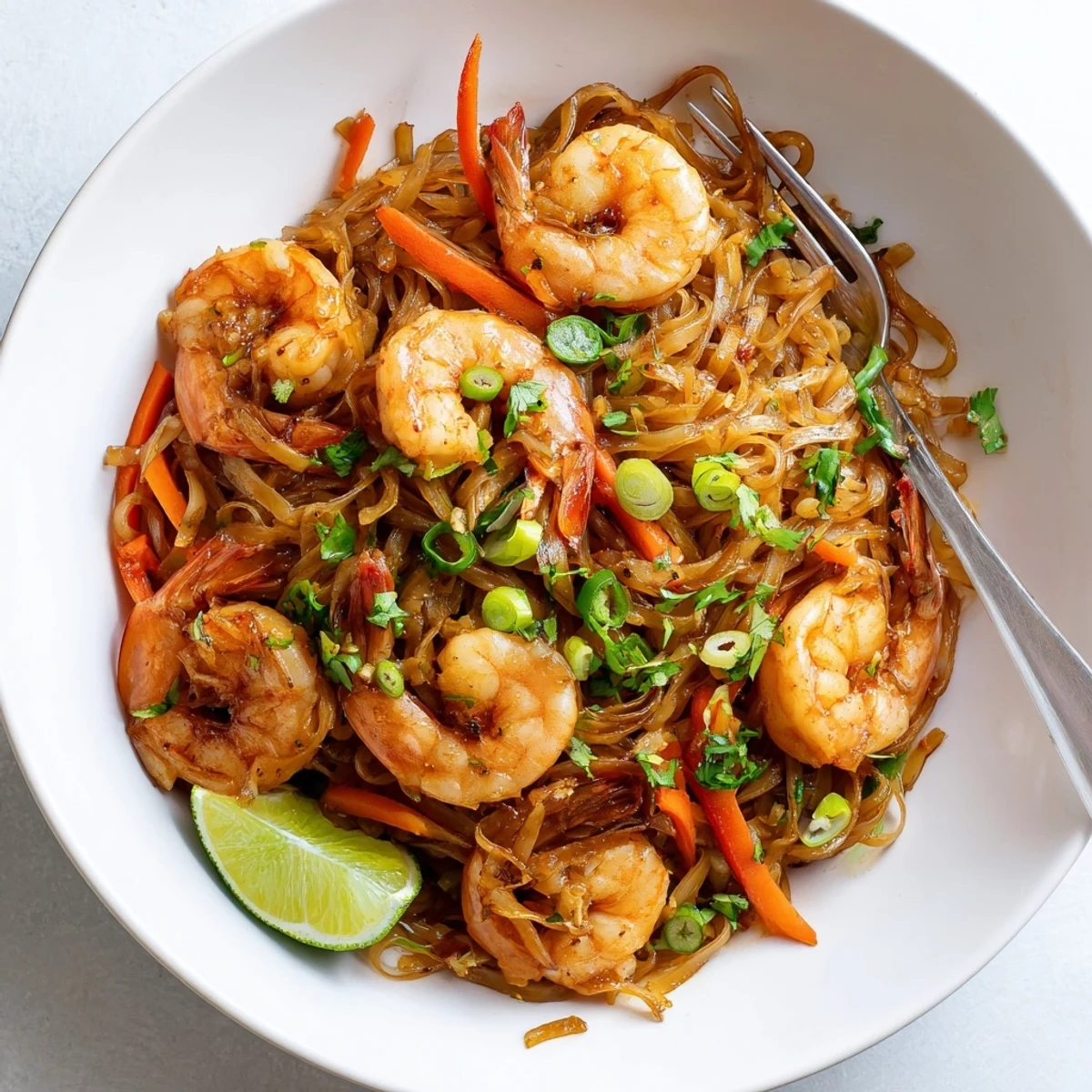
 This vibrant 30-minute dish pairs quick-cooked shrimp with garlic-scented rice noodles, crisp bell pepper and carrot. A blend of soy, oyster and fish sauce balanced with sriracha and brown sugar coats the strands; sesame oil and lime add depth and brightness. Sauté garlic, sear shrimp briefly, stir-fry veggies, return noodles and toss with sauce. Garnish with cilantro and green onions for freshness.
The sizzle of garlic hitting a hot wok on a Tuesday evening is one of those sounds that instantly makes a kitchen feel alive, and this spicy garlic shrimp noodle dish was born from exactly that kind of chaotic weeknight energy.
I once made this for a friend who claimed she did not like shrimp, and she polished off her entire bowl before asking if there were seconds.
Ingredients
- 500 g (1 lb) large shrimp, peeled and deveined: Large shrimp hold up beautifully to high heat and soak up the sauce without getting lost among the noodles.
- 300 g (10 oz) rice noodles or egg noodles: Rice noodles give a lighter feel while egg noodles bring a chewier, more substantial bite, so pick based on your mood.
- 1 red bell pepper, thinly sliced: The sweetness of the pepper balances the heat and adds a flash of color that makes the dish look restaurant worthy.
- 1 small carrot, julienned: Julienned carrot brings a quiet crunch and a subtle sweetness that rounds out every mouthful.
- 2 green onions, sliced: Tossed in at the very end so they stay bright and fresh rather than wilting into the sauce.
- 5 cloves garlic, minced: Five cloves might sound aggressive but the garlic mellows just enough in the hot oil to become deeply fragrant without bitterness.
- 2 tbsp fresh cilantro, chopped, plus extra for garnish: Cilantro lifts the whole dish with a fresh, citrusy finish that cuts through the richness.
- 3 tbsp soy sauce: The salty backbone of the sauce, tying every other ingredient together.
- 2 tbsp oyster sauce: This adds body and a subtle sweetness that you cannot easily replicate with anything else.
- 1 tbsp fish sauce: A small amount goes a long way toward giving the dish an authentic depth of umami.
- 1 and a half tbsp sriracha: Adjust up or down depending on how much fire you can handle, but do not leave it out entirely.
- 1 tbsp brown sugar: Just enough to round the sharp edges off the chili and fish sauce.
- 1 tsp sesame oil: A finishing drizzle of sesame oil at the end makes everything smell impossibly good.
- 2 tbsp vegetable oil: A neutral oil with a high smoke point is essential for that blistering hot wok sear.
- 1 lime, cut into wedges: A generous squeeze of lime right before eating brightens the whole bowl.
Instructions
- Get the noodles going:
- Cook the noodles according to the package directions, drain them well, and set them aside so they are ready to toss in when the moment arrives.
- Whisk the sauce together:
- In a small bowl, combine the soy sauce, oyster sauce, fish sauce, sriracha, brown sugar, and sesame oil, stirring until the sugar dissolves and the sauce looks glossy.
- Wake up the garlic:
- Heat the vegetable oil in a large skillet or wok over medium high heat, then add the minced garlic and stir for about thirty seconds until your kitchen smells incredible.
- Sear the shrimp:
- Add the shrimp in a single layer and cook for two to three minutes until they turn pink and curl slightly, then remove them from the pan so they do not overcook.
- Toss the vegetables:
- In the same pan, add the sliced bell pepper and julienned carrot, stir frying for about two minutes until they soften just a little but still have some bite.
- Bring it all together:
- Return the noodles and shrimp to the pan, pour the sauce over everything, and toss vigorously for two minutes until every strand and every shrimp is thoroughly coated and steaming hot.
- Finish with fresh herbs:
- Take the pan off the heat, scatter in the sliced green onions and chopped cilantro, and give it one final toss so the herbs wilt gently without losing their brightness.
- Serve immediately:
- Divide among bowls, garnish with extra cilantro and a lime wedge on the side, and bring it to the table while it is still piping hot.
 Save to Pinterest
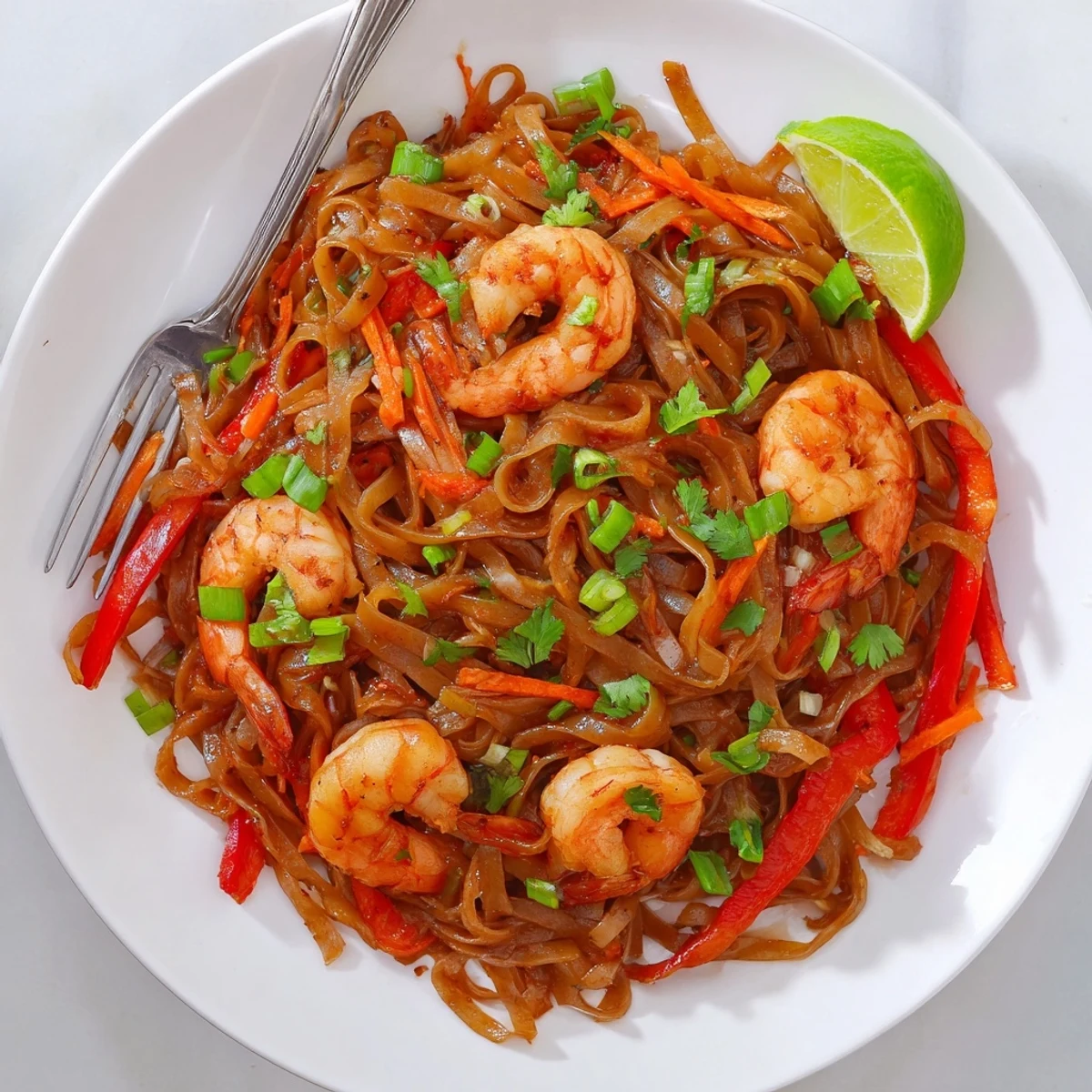
 There is something about a bowl of noodles that brings people to the table faster than any fancy plating ever could.
Making It Your Own
This recipe is endlessly adaptable once you have the sauce ratio locked in, and I have swapped in chicken, tofu, and even leftover roast pork depending on what the refrigerator offered that day.
Heat Levels and Adjustments
If you are cooking for someone who cannot handle spice, start with half a tablespoon of sriracha and serve extra on the side so everyone can dial in their own comfort level.
Storing and Reheating
Leftovers keep well in an airtight container in the refrigerator for up to two days, though the noodles will soak up the sauce overnight so a splash of water helps when reheating.
- Reheat gently in a skillet over medium heat rather than using a microwave for the best texture.
- Add a fresh handful of cilantro after reheating to wake the flavors back up.
- The shrimp are best eaten on day one so consider saving extra sauce and vegetables for a quick second round with fresh protein.
 Save to Pinterest
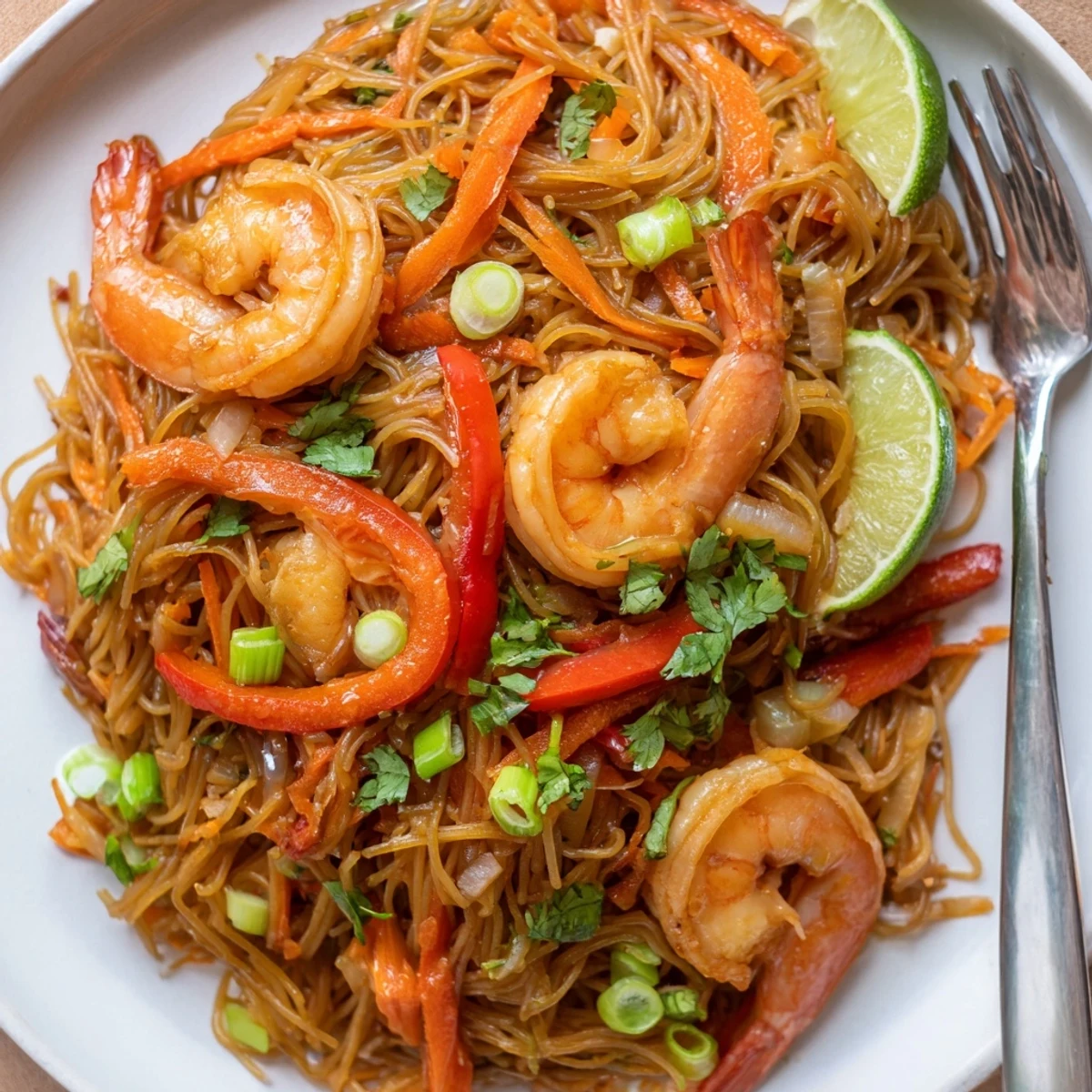
 Keep a stack of napkins nearby, play something loud on the speaker, and enjoy the beautiful mess.
Recipe FAQ
- → Can I use a different protein?
-
Yes—thinly sliced chicken or firm tofu are great swaps. Adjust cooking time: chicken until no longer pink, tofu until golden edges form. Shrimp is fastest, so add others earlier if needed.
- → Which noodles work best?
-
Rice noodles give a light texture while egg noodles add chew. Use dried rice noodles soaked per package or fresh egg noodles boiled briefly; both absorb the sauce well.
- → How do I control the heat level?
-
Adjust sriracha to taste, or add sliced fresh chili or chili flakes for more heat. Reduce spiciness by cutting the sriracha amount and adding a touch more brown sugar or lime.
- → How can I prevent overcooking shrimp?
-
Cook shrimp over medium-high heat just until pink and opaque, about 2–3 minutes depending on size. Remove them from the pan as soon as they turn color to avoid rubbery texture, then return at the end to warm through.
- → Can this be made ahead or stored?
-
Store cooled leftovers in an airtight container up to 2 days. Reheat gently in a skillet with a splash of water or broth to loosen the sauce; fresh herbs and lime are best added just before serving.
- → How do I make it gluten-free?
-
Use tamari or a gluten-free soy sauce and ensure the oyster and fish sauces are labeled gluten-free. Opt for certified gluten-free rice noodles to keep the dish safe.