
 Save to Pinterest
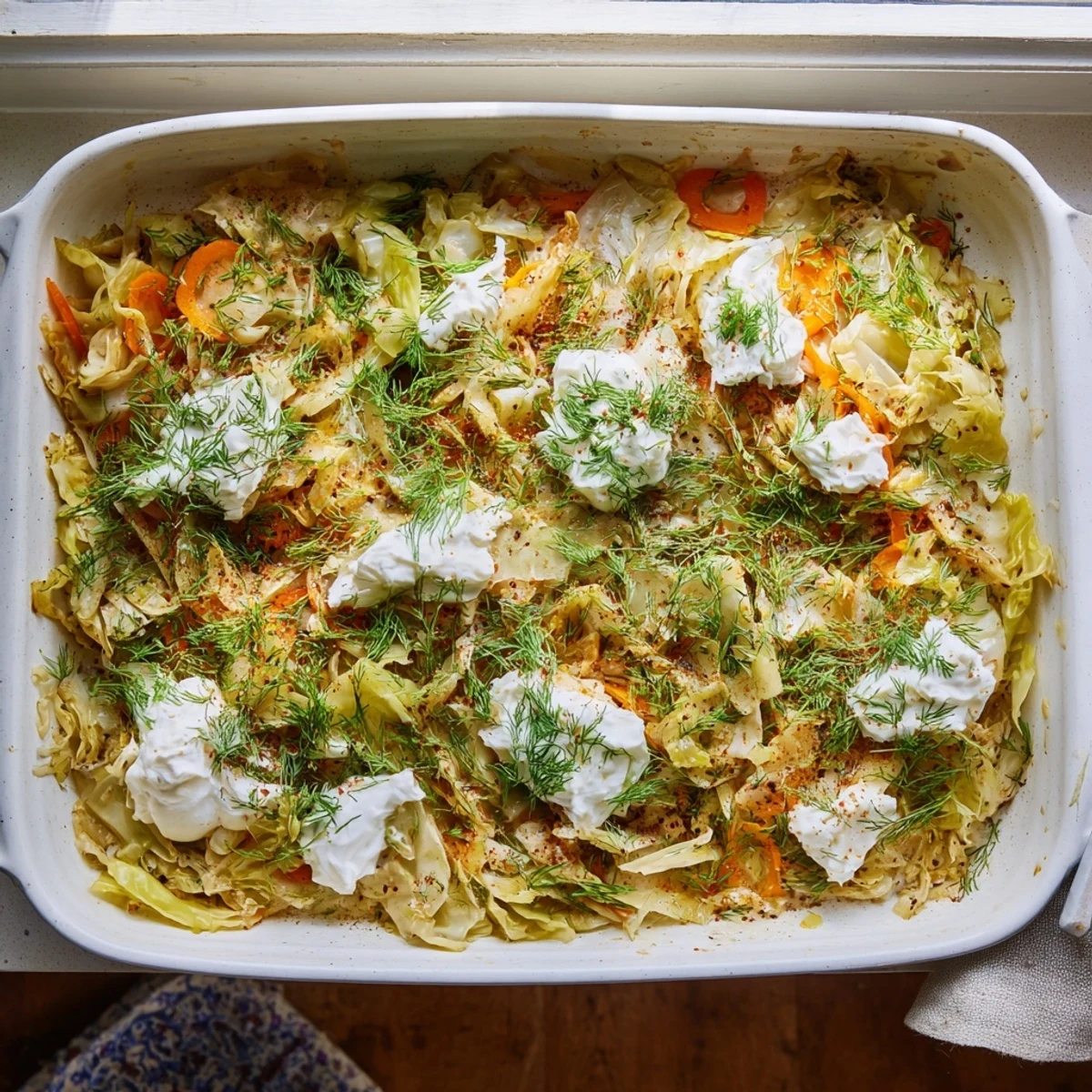
 This comforting casserole combines tender slow-roasted cabbage with tangy sauerkraut, creating layers of robust flavors that develop beautifully during two hours of gentle baking. The aromatic blend of caraway seeds and smoked paprika evokes traditional German and Eastern European kitchens, while the grated apple adds subtle sweetness that balances the fermented kraut.
Perfect for meal prep, this dish actually improves overnight as the flavors meld together. Serve it as a satisfying vegetarian main course alongside crusty bread or boiled potatoes, or offer it as a hearty side alongside roasted meats and sausages.
The smell of cabbage roasting low and slow is one of those kitchen scents that quietly takes over the whole house, warm and earthy and oddly comforting. My neighbor once knocked on my door while this was in the oven, convinced I was making something far more elaborate than a humble cabbage casserole. That is the quiet magic of this dish: it turns a few inexpensive vegetables into something that smells like you spent all day fussing. It has been in my winter rotation ever since.
I made this for a potluck dinner in January when the temperature dropped below zero and nobody wanted to drive anywhere. A friend who swore she hated cabbage went back for seconds, then quietly asked for the recipe on the drive home. That moment taught me never to underestimate a slow roasted vegetable.
Ingredients
- 1 medium green cabbage (about 2 lb), cored and sliced into thin strips: Slice it as evenly as you can so every layer roasts at the same rate and nothing turns mushy before the rest is tender.
- 2 medium onions, thinly sliced: Yellow onions work best here because they sweeten as they cook down alongside the cabbage.
- 2 cloves garlic, minced: Fresh garlic makes a real difference in this dish since there are so few ingredients competing for attention.
- 2 large carrots, grated: They add a subtle sweetness and a pop of color that breaks up the green and white layers.
- 3 cups sauerkraut, drained and lightly rinsed: Rinsing takes the edge off the sharpness while keeping that essential tang the casserole needs.
- 1 apple, peeled and grated: A tart apple like Granny Smith melts into the sauerkraut and balances the fermented bite beautifully.
- 1 cup vegetable broth: This is what steams the layers into tenderness during the long covered roast.
- 1/4 cup dry white wine (optional): It adds a gentle acidity that lifts the whole dish but you can skip it and add extra broth instead.
- 2 tbsp olive oil: Use a good quality one since it is the primary fat carrying the flavor.
- 1 tsp caraway seeds: These are the soul of the dish and give it that unmistakable Eastern European character.
- 1 tsp smoked paprika: A light smoky note that makes the cabbage taste like it was cooked over an open fire.
- 1/2 tsp ground black pepper: Freshly cracked is always better, especially in something this simple.
- 1/2 tsp salt (adjust to taste): Start with less since the sauerkraut brings its own salt to the party.
- 2 tbsp fresh dill, chopped (plus extra for garnish): Stir it into the sauerkraut layer and save a sprinkle for the top just before serving.
- 1/2 cup sour cream or dairy free alternative (optional topping): A thin layer at the end adds richness without burying the flavors underneath.
- 1/4 cup grated cheese or vegan cheese (optional topping): Only add this if you want a golden bubbly finish on top.
Instructions
- Get the oven ready:
- Preheat to 325 degrees F and grease a large casserole dish with a little olive oil so nothing sticks during the long roast.
- Build the flavor base:
- Warm olive oil in a large skillet over medium heat and sauté the sliced onions until they turn translucent and sweet, about 5 minutes. Toss in the minced garlic and stir for another minute until the kitchen smells incredible.
- Wilt the cabbage:
- Add the shredded cabbage to the skillet and cook it gently, stirring every so often, until it softens and shrinks down noticeably, roughly 5 to 7 minutes. Fold in the grated carrots, salt, pepper, caraway seeds, and smoked paprika until everything is evenly coated.
- Prep the sauerkraut layer:
- In a separate bowl, mix the drained sauerkraut with the grated apple and chopped dill so the sweet and sour elements are already working together before they go into the dish.
- Layer it all up:
- Spoon half of the cabbage mixture into the bottom of your prepared casserole dish and spread it out evenly. Cover it with half the sauerkraut mixture, then repeat both layers so you end up with a neat cabbage cap on top.
- Add the liquid:
- Pour the vegetable broth and white wine, if you are using it, slowly and evenly over the entire casserole so every corner gets some moisture.
- The slow roast:
- Cover the dish tightly with foil or a lid and slide it into the oven for one full hour while the layers steam and melt into each other.
- Brown the top:
- Pull off the foil, crank the heat to 375 degrees F, and bake uncovered for another 30 to 45 minutes until the top turns golden and most of the liquid has cooked away.
- Finish with the optional topping:
- If you are using sour cream or cheese, spread it over the top during the last 10 minutes of baking and let it melt into a creamy blanket.
- Rest and serve:
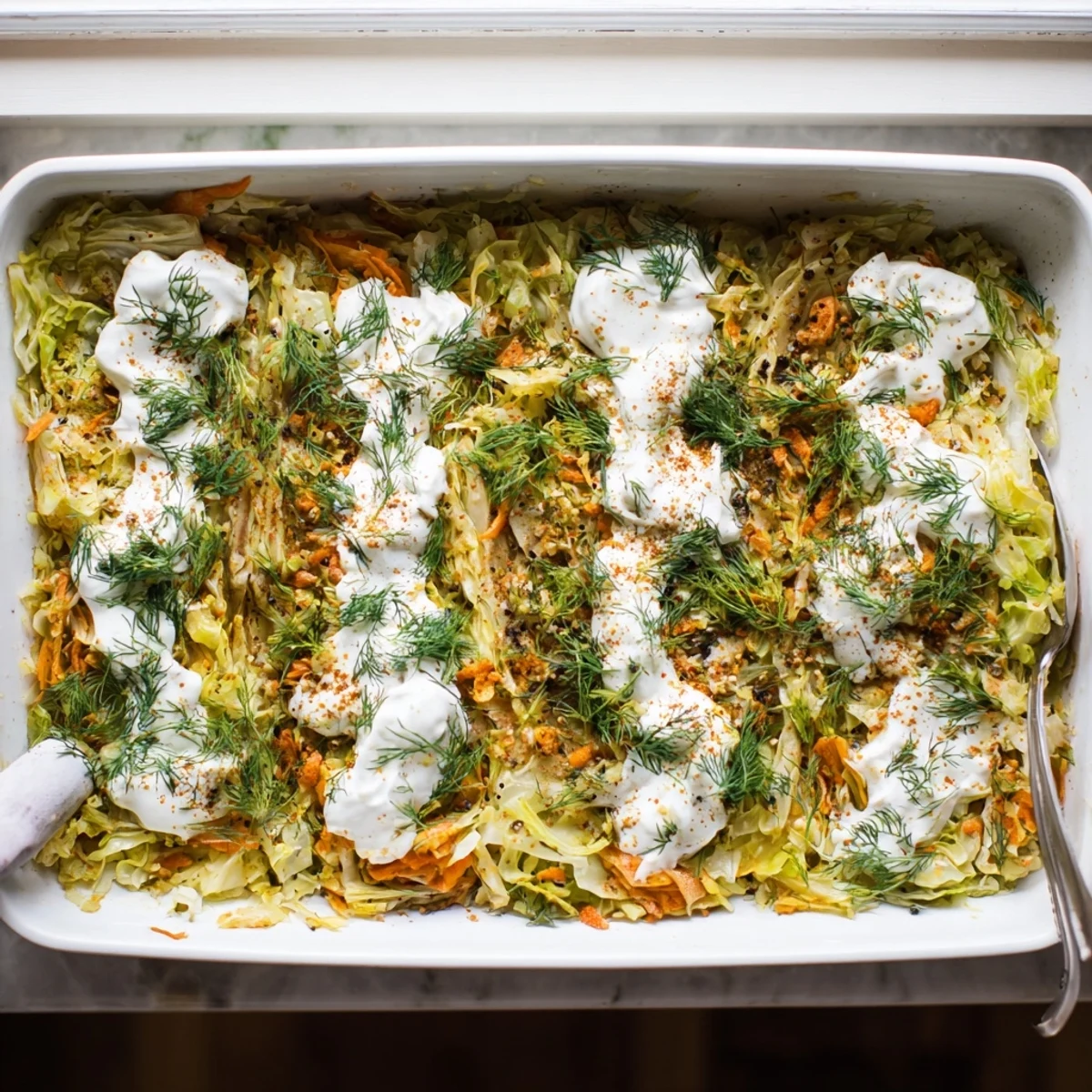
- Let the casserole sit for 10 minutes before cutting into it so the layers hold together, then scatter fresh dill over the top and bring it to the table.
 Save to Pinterest
 There was a Sunday evening when I pulled this out of the oven and set it on the counter to rest while I finished a phone call with my mother. By the time I hung up, my partner had already eaten two helpings standing at the counter, fork in hand, apologizing through a mouthful of cabbage. That is when I knew this recipe had earned a permanent spot.
Making It Your Own
The layers in this casserole are surprisingly flexible once you understand the basic rhythm. Toss in sautéed mushrooms or a handful of cooked lentils between the layers if you want something heartier that could pass for a full vegetarian dinner. I have even scattered toasted caraway seeds on top for extra crunch when I wanted to dress it up for company.
What to Serve Alongside
This dish loves simple companions that soak up the tangy juices without competing for attention. Crusty bread is the easiest answer, but boiled potatoes with a pat of butter feel more true to the Eastern European spirit of the meal. A glass of dry Riesling or a light red wine alongside turns a weeknight dinner into something that feels intentional.
Storage and Reheating
Leftovers keep beautifully in an airtight container in the fridge for up to four days, and the flavors actually deepen overnight as everything mingles together. Reheat individual portions in a covered skillet over low heat so the cabbage stays tender rather than drying out at the edges.
- Freeze individual portions in sealed containers for up to two months and thaw overnight in the fridge before reheating.
- If the top looks a bit dry after reheating, a small dollop of sour cream stirred in brings it right back to life.
- Always taste for salt before serving leftovers because the sauerkraut continues to release flavor as it sits.
 Save to Pinterest
 Some recipes earn their place in your kitchen through spectacle, but this one earned mine through quiet reliability and the way it makes the whole house smell like home. Keep it in your back pocket for the next cold evening when you want something warm without any fuss.
Recipe FAQ
- → Can I prepare this casserole ahead of time?
-
Absolutely. Assemble the dish completely, cover tightly, and refrigerate for up to 24 hours before baking. You may need to add 5-10 extra minutes to the cooking time if baking from cold. leftovers also reheat beautifully and taste even better the next day.
- → What can I use instead of sauerkraut?
-
Fresh coleslaw mix makes a lighter alternative, though you'll lose the characteristic tang. For similar fermented flavor, try kimchi for a spicy Korean-inspired twist, or use shredded fresh cabbage with a splash of apple cider vinegar mixed in.
- → How do I prevent the casserole from becoming too watery?
-
Drain and rinse your sauerkraut thoroughly to remove excess liquid. Also ensure you cook the cabbage until slightly wilted before layering, which releases initial moisture. The final uncovered baking period at higher temperature helps evaporate remaining liquid.
- → Can I make this fully vegan?
-
Simply omit the optional sour cream and cheese topping, or use dairy-free alternatives. The base dish is naturally plant-based and gets plenty of richness from the olive oil and slow-cooked vegetables.
- → What wine pairs well with this dish?
-
A dry Riesling complements the sauerkraut's tang and caraway's earthiness beautifully. For red wine lovers, a light-bodied Pinot Noir or Gamay works well without overwhelming the delicate flavors. Non-alcoholic options include sparkling water with a lemon wedge or dry hard cider.
- → Can I add protein to make it more substantial?
-
Yes, white beans, cooked lentils, or sautéed mushrooms layer wonderfully between the cabbage and sauerkraut. Some traditional variations include smoked sausage or bacon, though this transforms it from vegetarian to meat-based.