
 Save to Pinterest
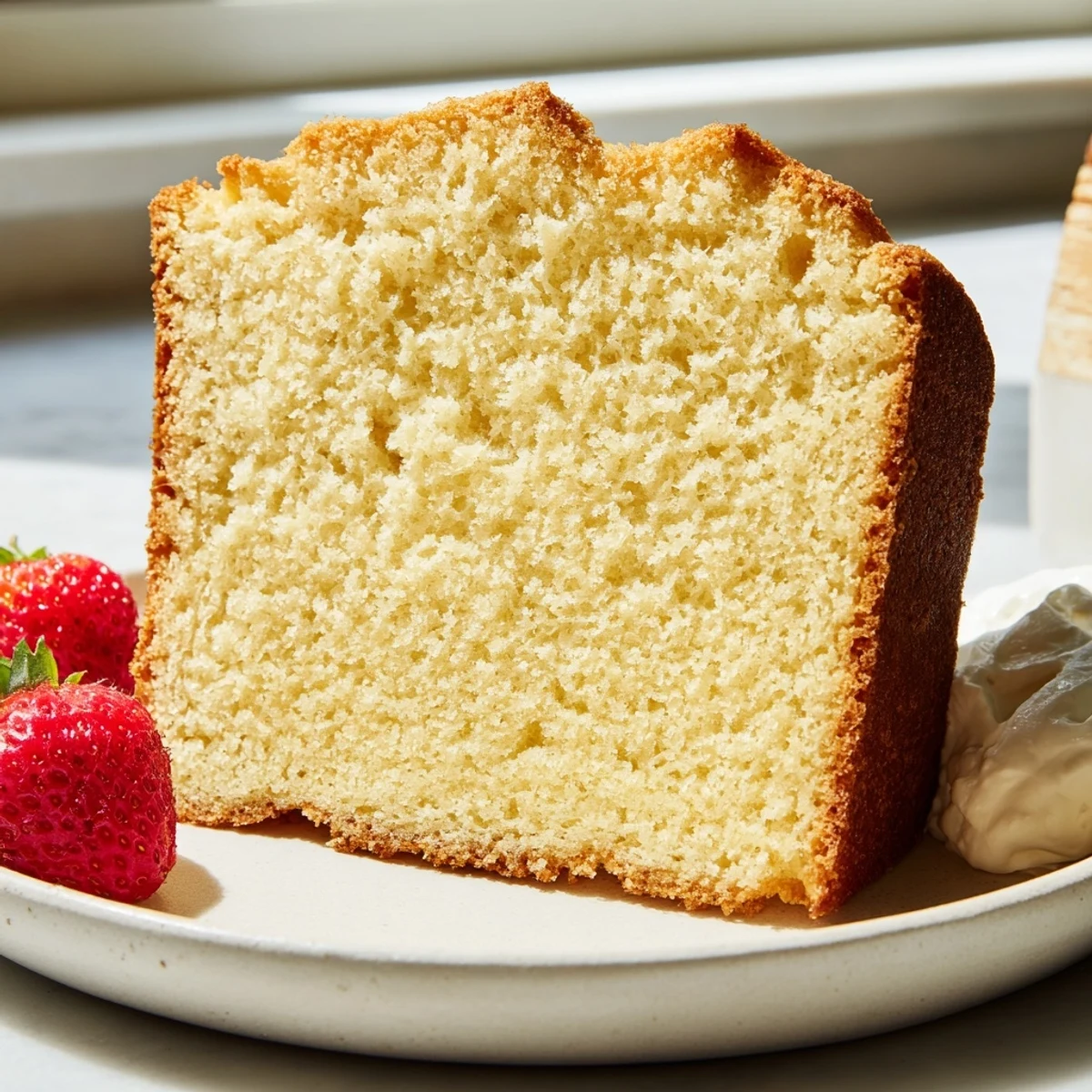
 This classic American pound cake delivers a rich, buttery flavor with a beautifully tender crumb. Made with simple pantry staples — flour, butter, sugar, eggs, milk, and vanilla — it comes together in about 20 minutes of prep before baking to golden perfection.
The secret lies in properly creaming the butter and sugar until light and fluffy, then alternating dry ingredients with milk for an even, silky batter. Serve it plain with afternoon tea, or dress it up with fresh berries and whipped cream for a stunning dessert.
The clock had just struck three on a rainy Tuesday when my oven buzzer went off and my entire kitchen smelled like a warm hug wrapped in butter.
My neighbor stopped by once while this was cooling on the rack and ended up sitting at my kitchen table for an hour eating slice after slice with black coffee and telling me stories about her grandmother.
Ingredients
- 2 cups (250 g) all-purpose flour: The backbone of the cake and spooning it into the measuring cup then leveling it off gives you the most reliable results.
- 1/2 teaspoon baking powder: Just enough lift to keep the crumb tender without turning it into something airy.
- 1/4 teaspoon salt: Salt sharpens every flavor in this cake and without it the butter tastes flat.
- 1 cup (225 g) unsalted butter, softened: Use real butter and let it soften naturally at room temperature for at least an hour so it creams properly.
- 1 2/3 cups (330 g) granulated sugar: Sugar creates structure and moisture and this ratio gives that classic dense pound cake bite.
- 4 large eggs, at room temperature: Cold eggs can seize the butter so pull them out early and let them lose their chill.
- 2 teaspoons pure vanilla extract: Good vanilla is worth every penny and you will taste the difference here where it is front and center.
- 1/2 cup (120 ml) whole milk, at room temperature: Whole milk adds richness and bringing it to room temperature keeps the batter smooth.
Instructions
- Prep the Oven and Pan:
- Heat your oven to 350F and grease your loaf pan generously or line it with parchment paper leaving some overhang for easy lifting later.
- Whisk the Dry Ingredients:
- In a medium bowl combine the flour, baking powder, and salt with a whisk until evenly distributed.
- Cream the Butter and Sugar:
- Beat the softened butter and sugar together on medium speed until the mixture turns pale and looks almost whipped which takes about three to four minutes.
- Add Eggs and Vanilla:
- Drop in one egg at a time beating well after each one and then pour in the vanilla until it is fully incorporated and the batter looks silky.
- Combine Wet and Dry:
- With the mixer on low add the flour mixture in three parts alternating with the milk and starting and ending with flour then stop mixing the moment everything disappears.
- Pour and Smooth:
- Scrape the batter into your prepared pan and use a spatula to smooth the top so it bakes evenly.
- Bake Until Golden:
- Bake for fifty five to sixty five minutes and check with a toothpick in the center which should come out clean with just a few moist crumbs clinging to it.
- Cool Properly:
- Let the cake rest in the pan for ten minutes then turn it out onto a wire rack and wait until it is completely cool before you slice into it.
 Save to Pinterest
 The first time I gifted a loaf of this to a friend going through a rough patch she called me later that night in tears saying it reminded her of home.
Making It Your Own
A tablespoon of lemon zest folded into the batter at the end changes the entire personality of this cake and makes it taste like spring.
Serving Suggestions Worth Trying
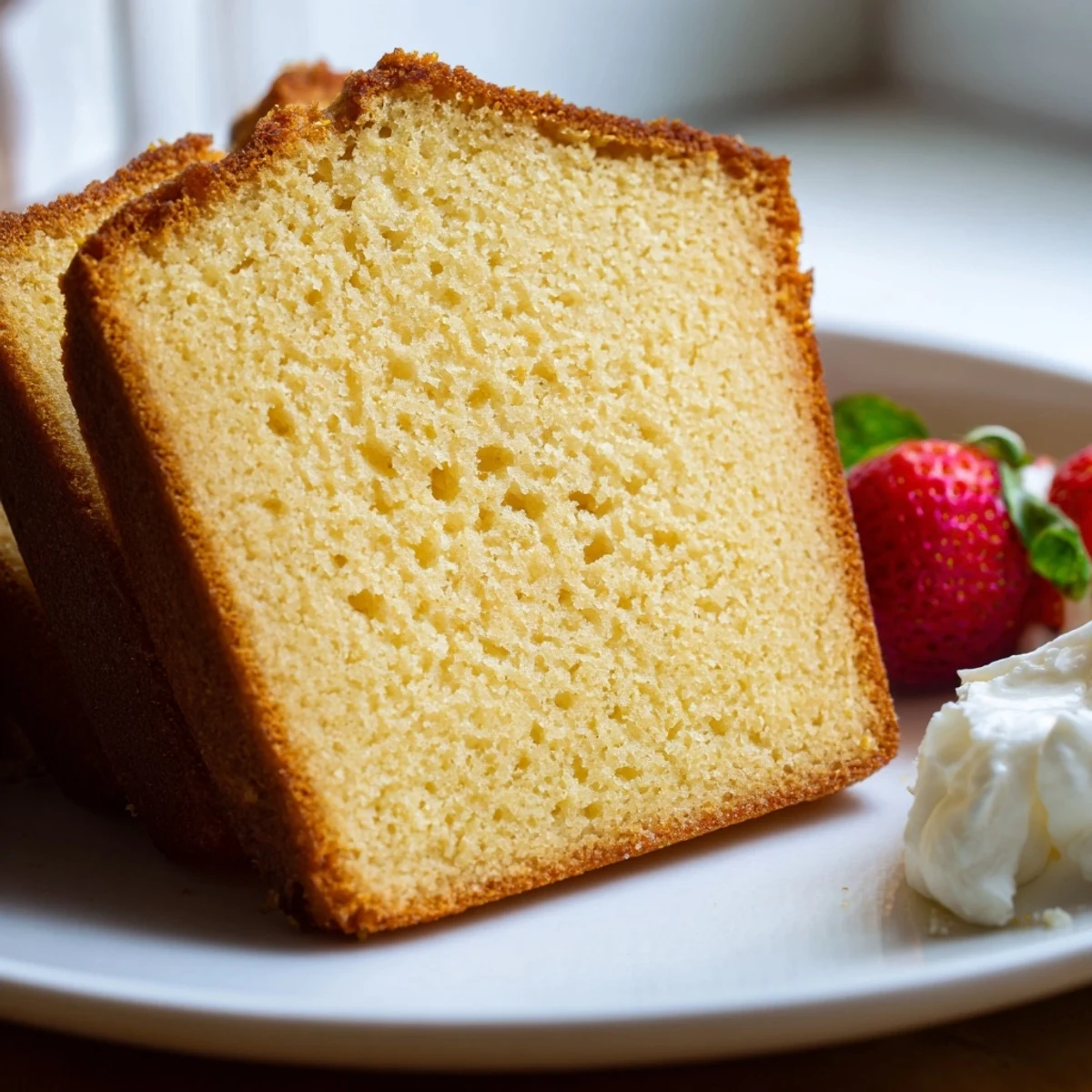
Thick slices toasted in a skillet with butter and then topped with macerated strawberries and a cloud of whipped cream will ruin you for all other desserts.
Storing and Freezing
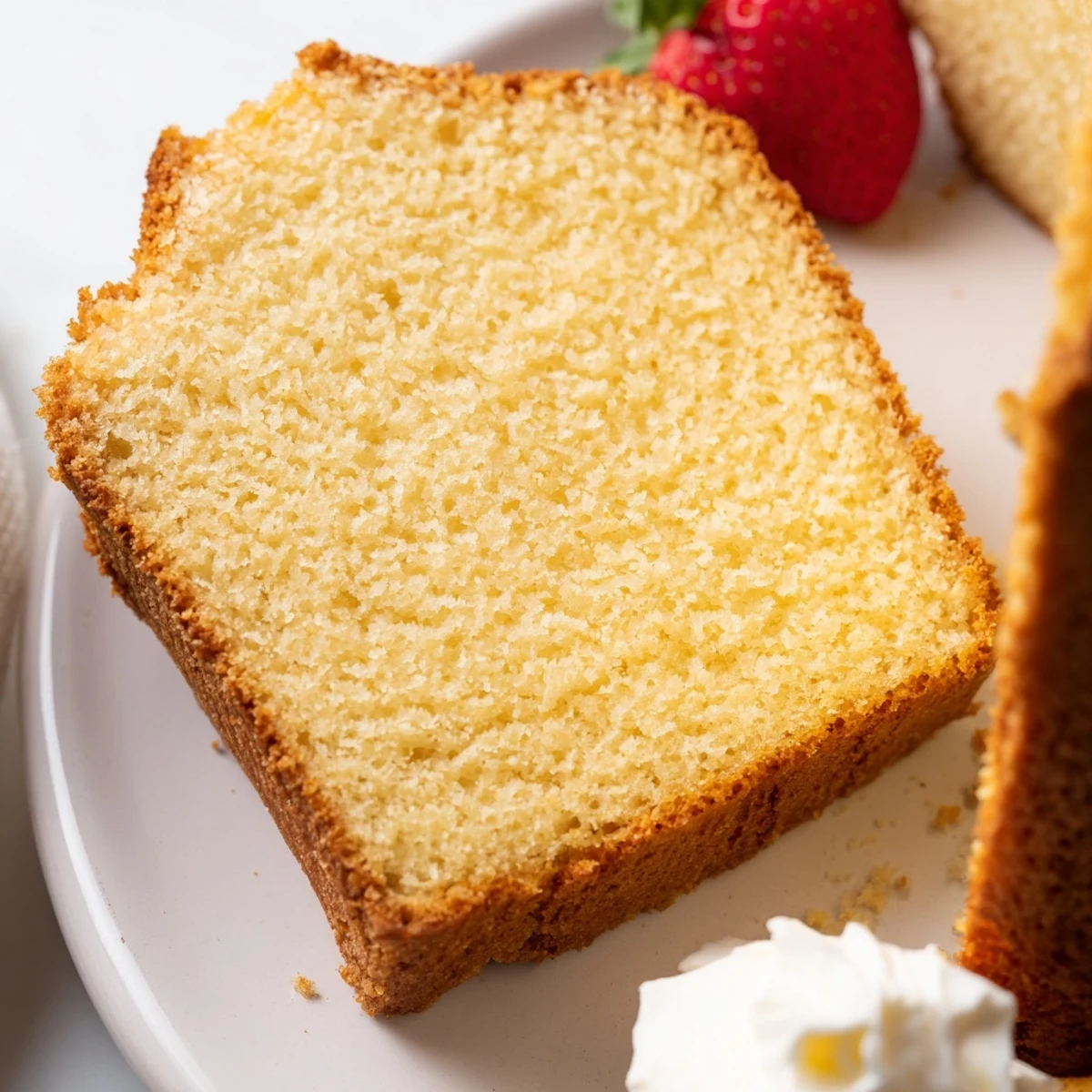
Wrapped tightly in plastic this cake stays moist at room temperature for up to three days and it actually tastes better on day two when the flavors settle.
- You can freeze individual slices wrapped in plastic then foil for up to three months.
- Thaw slices at room temperature or pop them straight into the toaster.
- Never refrigerate this cake because the cold dries out the crumb and steals all that buttery softness.
 Save to Pinterest
 Some recipes are just recipes but this one is a reason to put the kettle on and sit still for a while.
Recipe FAQ
- → Why is my pound cake dense or heavy?
-
Overmixing the batter once the flour is added can develop too much gluten, resulting in a dense texture. Mix until just combined after each flour addition. Also, ensure your butter and eggs are at room temperature so they incorporate smoothly.
- → Can I use salted butter instead of unsalted?
-
Yes, you can substitute salted butter, but omit the additional salt called for in the ingredients. Keep in mind that salt content varies between brands, so the flavor may differ slightly from the original version.
- → How do I know when the pound cake is fully baked?
-
Insert a toothpick into the center of the cake — it should come out clean or with just a few moist crumbs. The top should be golden brown and the edges should pull slightly away from the pan. This typically takes 55 to 65 minutes at 350°F.
- → Can I add flavors like lemon or chocolate?
-
Absolutely. Add one tablespoon of lemon or orange zest to the batter for a bright citrus version. For a chocolate marble effect, swirl in a half cup of melted cooled chocolate before baking. Almond extract can also replace half the vanilla for a nutty twist.
- → How should I store leftover pound cake?
-
Wrap the cake tightly in plastic wrap or store it in an airtight container at room temperature for up to three days. For longer storage, freeze individual slices wrapped in plastic and foil for up to three months. Thaw at room temperature before serving.
- → Can I bake this in a different pan?
-
You can use a bundt pan or two smaller loaf pans instead of one standard 9x5-inch loaf pan. Adjust the baking time accordingly — smaller pans will need less time, while a bundt pan may need slightly more. Always check with a toothpick for doneness.