
 Save to Pinterest
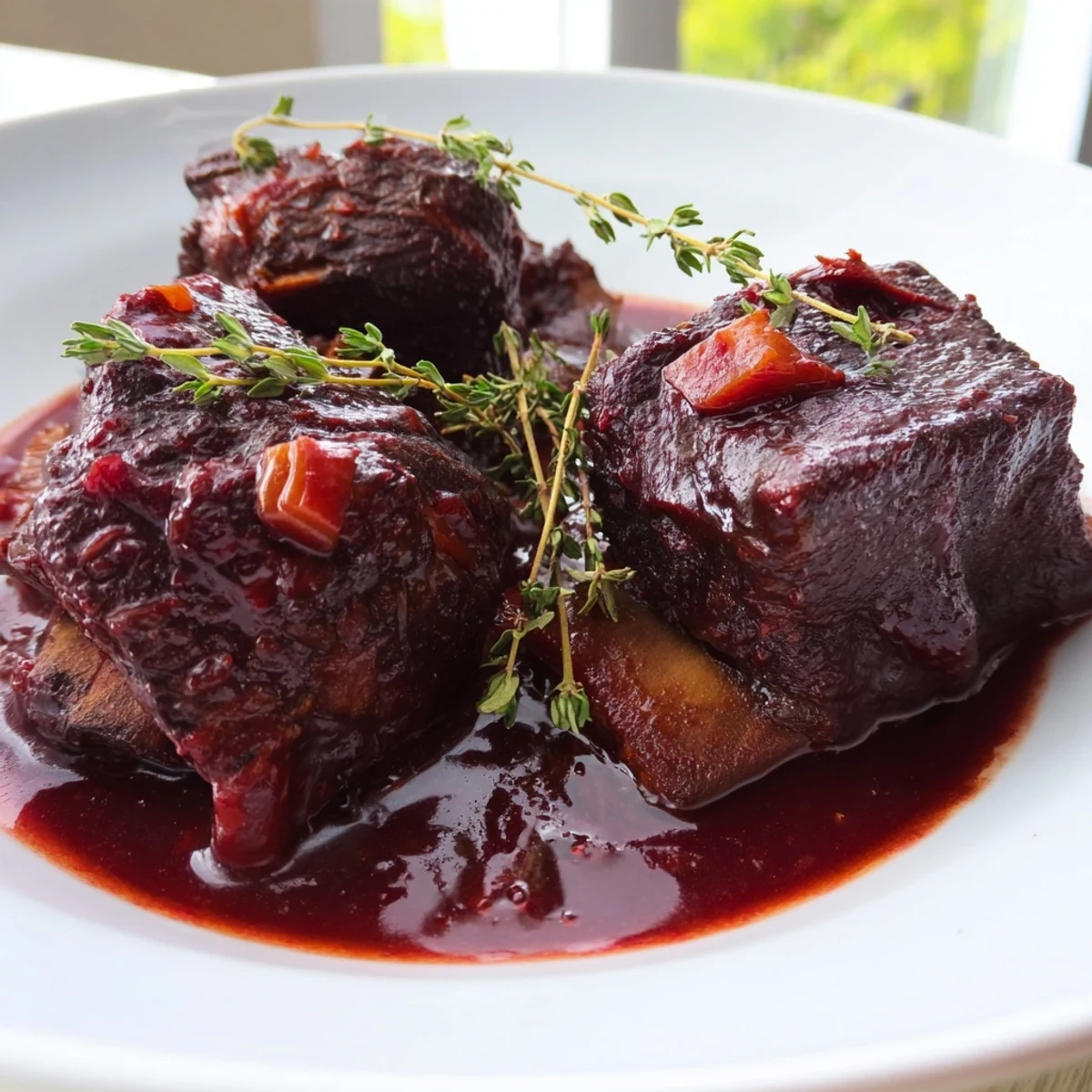
 These tender oven braised beef short ribs are seared to develop a rich crust, then slowly cooked in a fragrant mixture of red wine, beef broth, tomato paste, and fresh herbs like thyme and rosemary.
The low and slow braise transforms tough bone-in short ribs into melt-in-your-mouth perfection over approximately 2.5 to 3 hours in the oven.
Aromatic vegetables including onion, carrots, and celery build a deep flavor base, while the reduced braising liquid becomes a luscious, spoonable sauce.
This French-inspired dish is naturally gluten-free and serves 4, making it ideal for special occasions or an elevated cozy dinner at home.
The screen door slapped shut behind me as I carried a tray of these short ribs out to the backyard table one October evening, the steam catching the last amber light of fall. My neighbor Dave wandered over, drawn by the smell of wine and rosemary drifting across the fence, and ended up staying for two helpings. Oven braised short ribs have a way of turning an ordinary weeknight into something worth remembering. The meat practically collapses at the touch of a fork, and the sauce becomes something you want to mop up with every last scrap of bread.
I learned the hard way that skipping the sear turns the whole dish flat and gray, and I will never make that mistake again after serving a particularly dull batch to my inlaws one Thanksgiving eve.
Ingredients
- Bone in beef short ribs (4 lbs): The bones add collagen and body to the braising liquid, so do not substitute boneless cuts if you want that silky texture.
- Salt and freshly ground black pepper: Season the ribs more boldly than you think, because the long braise will mellow the seasoning significantly.
- Olive oil (2 tbsp): A neutral or mild olive oil works best here since you need high heat for a proper sear without burning.
- Large onion, chopped: Onion forms the sweet foundation of the braise, and chopping it rough gives the finished sauce a rustic, hearty body.
- Carrots (2), chopped: Carrots bring natural sweetness that balances the acidity of the wine and tomato paste beautifully.
- Celery stalks (2), chopped: Celery adds an earthy depth that you might not pick out on its own but would absolutely miss if it were gone.
- Garlic cloves (4), minced: Add the garlic after the other vegetables have softened so it sweetens without turning bitter.
- Tomato paste (2 tbsp): Browning the paste for a minute concentrates its umami and gives the sauce a gorgeous deep color.
- Dry red wine (2 cups): Use something you would actually drink, like a Cabernet or Merlot, because the flavor concentrates as it reduces.
- Beef broth (2 cups): Low sodium broth gives you more control over the final seasoning of the sauce.
- Fresh thyme and rosemary (2 sprigs each): Fresh herbs perfume the braise in a way dried herbs simply cannot match.
- Bay leaves (2): Drop them in whole and remember to fish them out before serving, as they add a subtle aromatic complexity.
Instructions
- Preheat and prepare:
- Set your oven to 325 degrees Fahrenheit. Pat the short ribs very dry with paper towels and season them all over with salt and pepper, pressing the seasoning into the meat.
- Sear the ribs:
- Heat olive oil in a Dutch oven over medium high heat until it shimmers. Sear the ribs on every side until deeply browned, about three to four minutes per side, then move them to a plate.
- Build the aromatics:
- Drop the onion, carrots, and celery into the same pot and cook until they soften and pick up color, about five minutes. Stir in the garlic and let it go for one more minute until fragrant.
- Add tomato paste and wine:
- Stir the tomato paste into the vegetables and let it cook for a minute until it darkens slightly. Pour in the wine and scrape up every browned bit from the bottom of the pot, then let it boil until reduced by half.
- Combine and braise:
- Nestle the ribs back into the pot, pour in the broth, and tuck in the thyme, rosemary, and bay leaves. Bring it to a simmer on the stove, cover tightly, and slide it into the oven for two and a half to three hours until the meat falls from the bone.
- Finish and serve:
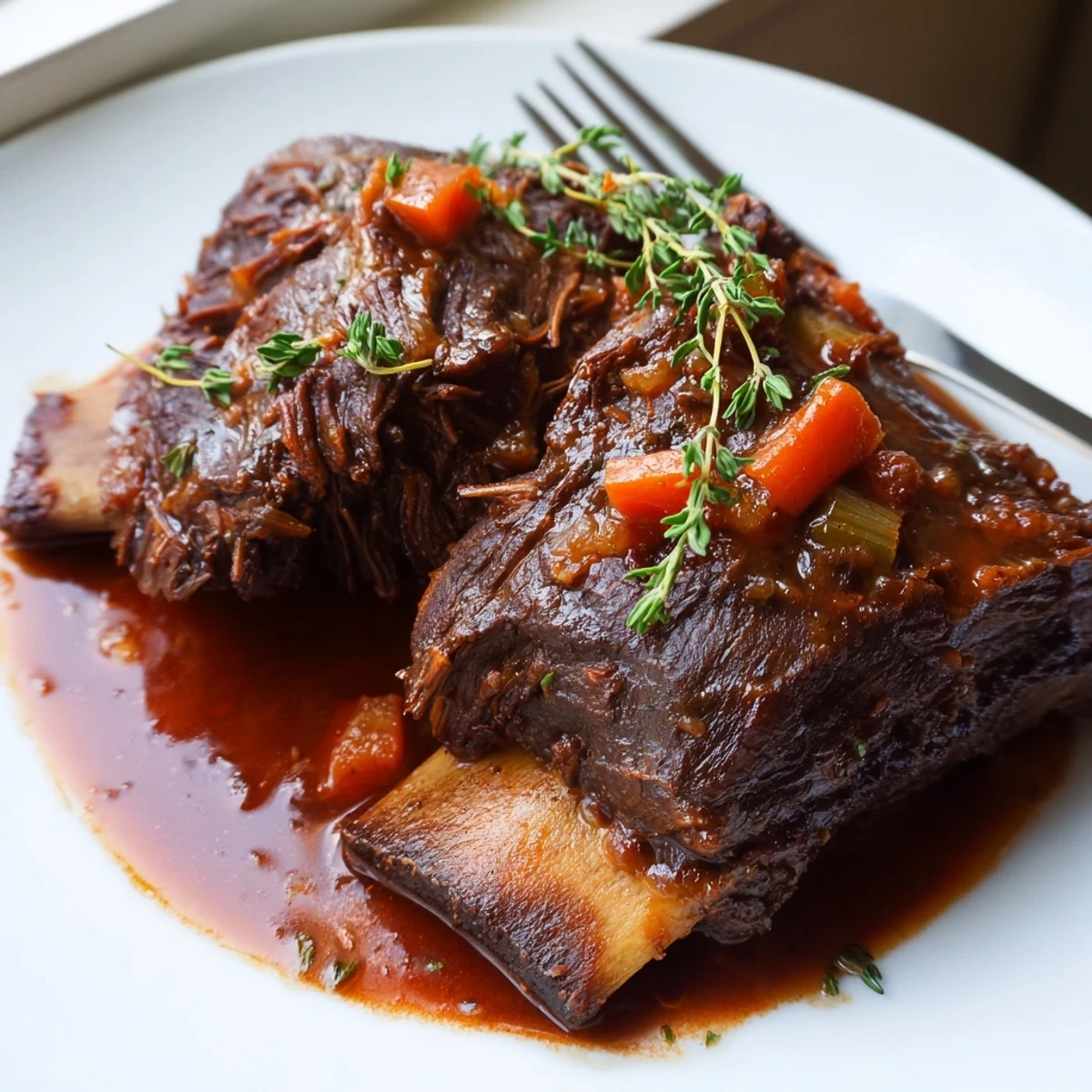
- Lift the ribs and vegetables onto a platter and discard the herb stems and bay leaves. Skim the fat from the sauce and reduce it on the stovetop if you want it thicker, then spoon it generously over the ribs.
 Save to Pinterest
 There is something about lifting the lid off a Dutch oven after three hours and watching the steam curl up into the kitchen that makes the whole house feel like home.
Serving Suggestions That Actually Work
Creamy mashed potatoes are the classic move, and for good reason, because they soak up the sauce like a sponge. Polenta is equally brilliant if you want something with a bit more texture and an Italian accent to complement the French technique. A chunk of crusty bread on the side is never a bad idea, especially when you need something to swipe through the last of the sauce on your plate.
Making It Ahead
Short ribs are one of those magical dishes that taste better the next day, after the flavors have had time to mingle and settle in the refrigerator overnight. I often make them a day ahead, let them cool completely in their braising liquid, then gently reheat them on the stove when guests arrive. The fat solidifies on top in the fridge, making it incredibly easy to lift off before reheating for a cleaner, richer sauce.
Getting Creative With Flavors
Once you master the basic braise, you can start playing with additions like sliced cremini mushrooms added with the vegetables for an earthier dimension. A strip of orange peel tucked in with the herbs adds a subtle brightness that most people will not be able to identify but will absolutely notice. Sometimes I swap half the red wine for a dark beer when I want something a little more rustic and hearty.
- Add a tablespoon of soy sauce or fish sauce to the braising liquid for an invisible hit of umami that elevates the whole pot.
- Try a pinch of cinnamon or star anise for a warming, slightly sweet note that works beautifully in colder months.
- Always taste and adjust the salt at the very end, because reduction concentrates seasoning more than you might expect.
 Save to Pinterest
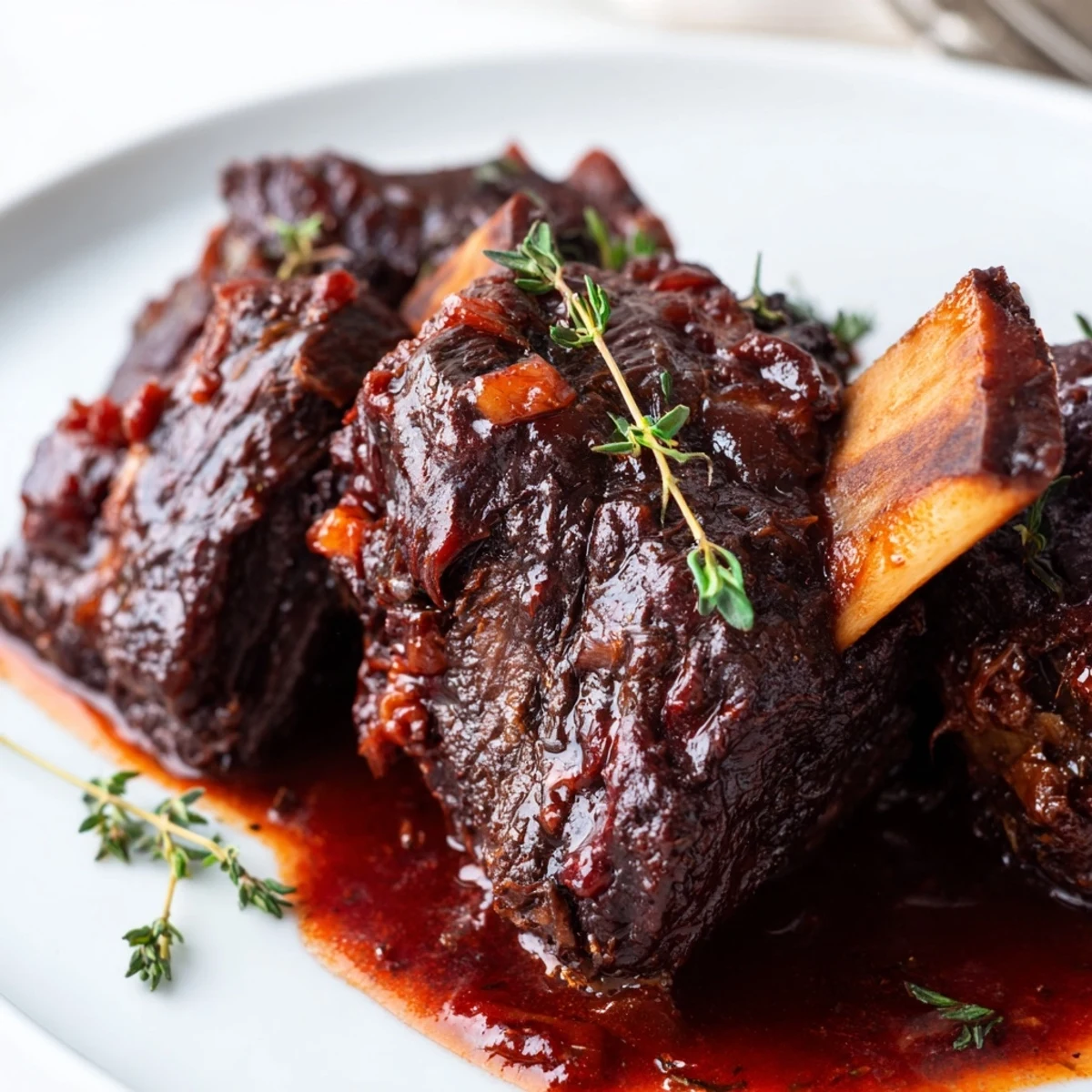
 Cook these short ribs once and they will become the dish people ask you to make again and again. That is the quiet magic of a good braise.
Recipe FAQ
- → What type of red wine works best for braising short ribs?
-
Dry red wines like Cabernet Sauvignon, Merlot, or Pinot Noir are excellent choices. Avoid sweet wines, as they can throw off the savory balance of the braise.
- → Can I make braised short ribs ahead of time?
-
Yes, short ribs actually taste better the next day. The flavors deepen and meld overnight in the refrigerator. Simply reheat gently on the stovetop or in a 325°F oven until warmed through.
- → Why are my short ribs tough instead of tender?
-
Tough short ribs usually mean they need more cooking time. The collagen in the meat needs extended low heat to break down. Continue braising in 30-minute increments until a fork slides easily through the meat.
- → What should I serve with braised beef short ribs?
-
Creamy mashed potatoes, polenta, or crusty bread are classic pairings that soak up the rich sauce. Roasted root vegetables or a simple green salad also complement the dish beautifully.
- → Do I need a Dutch oven for this braise?
-
A Dutch oven is ideal because it retains heat evenly and moves seamlessly from stovetop to oven. Any heavy, ovenproof pot with a tight-fitting lid will work as an alternative.
- → Can I use boneless short ribs instead of bone-in?
-
Bone-in ribs provide more flavor and help keep the meat moist during the long braise. Boneless ribs can be used but may cook slightly faster and produce a less rich sauce.