
 Save to Pinterest
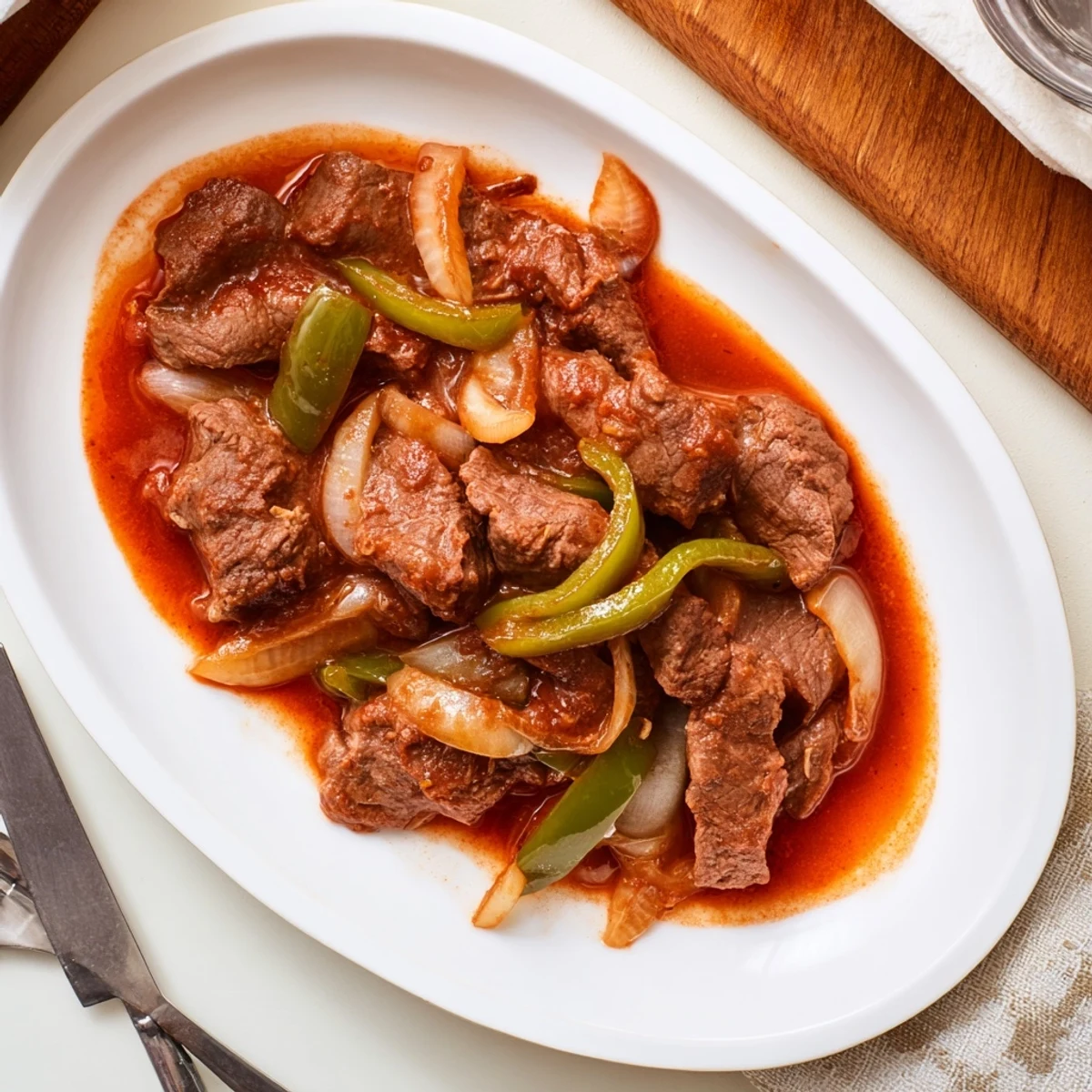
 This classic American comfort dish transforms economical beef round steak into fork-tender perfection through slow braising. The beef gets coated in seasoned flour, seared until golden, then simmered for hours in a robust tomato-based sauce with onions, bell peppers, celery, and garlic.
The long, slow cooking process breaks down the beef's connective tissue, creating incredibly tender meat that practically falls apart. The flour coating creates a natural thickener for the sauce, resulting in a rich, velvety texture that clings perfectly to every bite.
Serve this hearty dish over mashed potatoes, buttered noodles, or fluffy rice to soak up the flavorful sauce. The leftovers taste even better the next day as the flavors continue to develop.
My grandmother never wrote down this recipe. She just grabbed the round steak from the butcher paper, dusted it with flour, and let the Dutch oven work its magic while she told stories at the kitchen table. The smell of tomatoes and slowly braising beef would fill the whole house, pulling everyone in from wherever they were hiding on a Sunday afternoon.
I made this for my husband during our first winter together, back when our apartment had drafty windows and a radiator that clicked all night. He took one bite and declared it better than any steakhouse meal, which might have been the cold talking, but Ive made it the same way ever since. Now its the request that comes in every time someone mentions comfort food.
Ingredients
- 2 lbs beef round steak, 1/2-inch thick: Round steak is perfect here because it takes well to long, slow braising. Ask your butcher to pound it if you want it extra tender.
- 1/2 cup all-purpose flour: This creates a beautiful crust on the steak and helps thicken the sauce naturally as it braises.
- 1 tsp salt, 1/2 tsp black pepper, 1/2 tsp paprika: Simple seasonings that let the beef shine without overwhelming it.
- 1 large onion, sliced: The onions melt into the sauce, adding natural sweetness and depth.
- 2 cloves garlic, minced: Fresh garlic is essential here. Powder just does not give the same result.
- 1 green bell pepper, sliced: This adds a subtle sweetness and color that makes the dish feel complete.
- 2 stalks celery, sliced: Celery provides a backbone of flavor that you cannot quite put your finger on but would miss if it were gone.
- 1 can diced tomatoes with juice: Do not drain them. All that juice becomes part of the sauce.
- 1 cup beef broth: Use a good quality broth. It makes a difference in the final flavor.
- 1 tsp Worcestershire sauce: The secret ingredient that adds umami and richness.
- 1 tsp dried oregano, 1/2 tsp dried thyme, 1 bay leaf: Classic herbs that have always belonged in this dish.
- 3 tbsp vegetable oil: You need enough oil to get a good sear on the beef without crowding the pan.
Instructions
- Preheat your oven to 325°F.
- While the oven heats up, get your ingredients ready. This recipe moves quickly once you start cooking.
- Coat the beef in seasoned flour.
- Mix the flour with salt, pepper, and paprika in a shallow dish. Press both sides of each steak piece into the mixture, then shake off any excess. You want a light coating, not a thick batter.
- Sear the beef until golden brown.
- Heat oil in a large Dutch oven over medium-high heat. Cook the beef for 2-3 minutes per side until deeply browned. Do not rush this step. The brown bits left behind become flavor in the sauce.
- Soften the vegetables.
- Add onions, garlic, bell pepper, and celery to the same pot. Cook for 3-4 minutes, stirring occasionally, until they start to wilt and smell fragrant.
- Build the braising liquid.
- Return the beef to the pot. Pour in the tomatoes with all their juice, the beef broth, Worcestershire sauce, oregano, thyme, and bay leaf. Stir gently so you do not knock off that flour coating.
- Braise slowly in the oven.
- Bring everything to a simmer on the stovetop, then cover and transfer to the oven. Let it cook for 1.5 to 2 hours. The beef is done when it yields easily to a fork.
- Finish and serve.
- Fish out the bay leaf and discard it. Taste the sauce and adjust the salt if needed. Serve each piece of steak with plenty of sauce and vegetables spooned over the top.
 Save to Pinterest
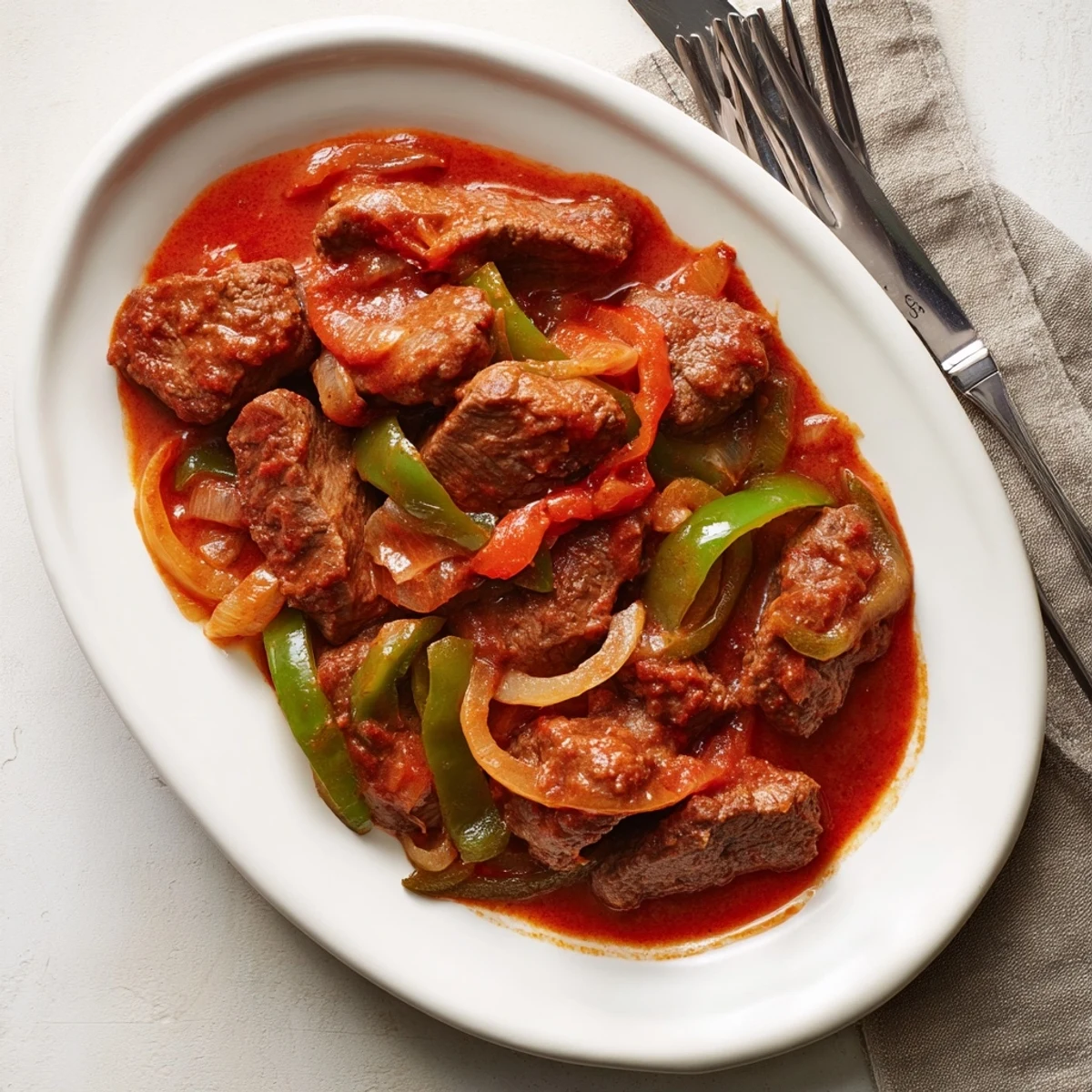
 This recipe has saved more than one busy weeknight when I forgot to plan dinner. I just throw everything together in the morning, let it braise while I work, and come home to a meal that tastes like I spent all day cooking.
Choosing The Right Cut
Round steak is traditional because it is lean and takes well to braising. Chuck or shoulder steak work beautifully too and might even be more forgiving. Look for meat with good marbling and avoid anything that looks too uniform. You want beef that has some character.
Getting The Sear Right
A hot pan is nonnegotiable here. If your oil is not shimmering when you add the beef, you will not get that crust. Do not crowd the pot. Work in batches if you need to. Those browned bits left behind become the foundation of flavor in your sauce.
Serving Suggestions
Mashed potatoes are classic for a reason. They soak up that sauce perfectly. But buttered noodles or steamed rice work just as well. A simple green salad with a sharp vinaigrette cuts through the richness and rounds out the meal.
- Crusty bread is never a bad idea for sopping up extra sauce.
- A glass of red wine pairs beautifully with the deep flavors.
- This reheats like a dream, so do not worry about leftovers.
 Save to Pinterest
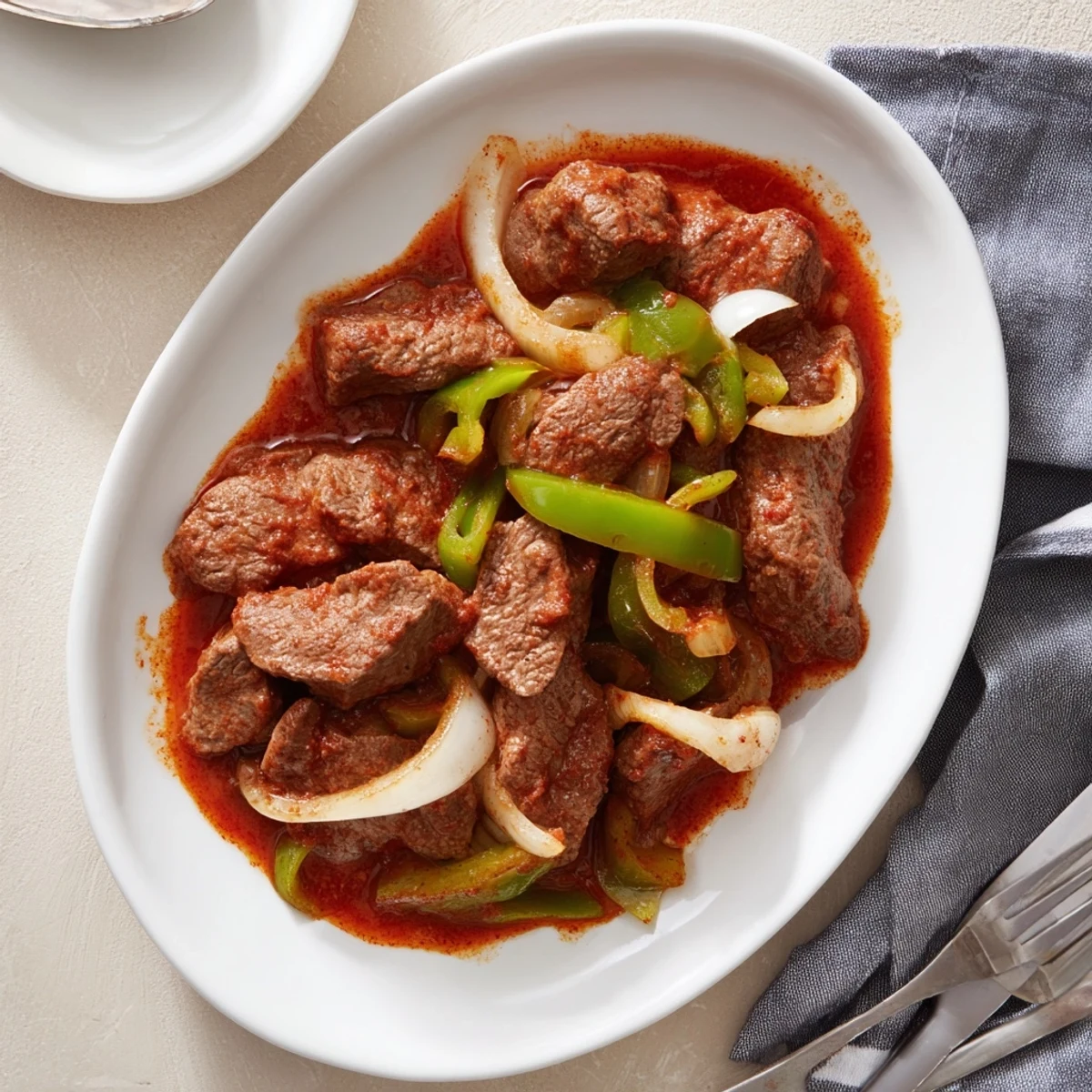
 Some recipes are worth keeping around not because they are fancy, but because they work every single time. This is one of those. Simple ingredients, simple method, extraordinary results.
Recipe FAQ
- → What cut of beef works best for Swiss steak?
-
Beef round steak is traditional, but chuck or shoulder steak also work beautifully. Look for lean, economical cuts that benefit from slow, moist cooking methods.
- → Why is the beef coated in flour before cooking?
-
The flour coating creates a golden crust when searing and acts as a natural thickener for the sauce. This results in a rich, velvety texture that clings to the meat and vegetables.
- → Can I make Swiss steak on the stovetop instead of the oven?
-
Absolutely. After bringing everything to a simmer, reduce heat to low, cover tightly, and cook on the stovetop for 2-2.5 hours. Check occasionally to maintain a gentle simmer and add liquid if needed.
- → How do I know when the Swiss steak is done?
-
The beef is ready when it's fork-tender and easily pulls apart. This typically takes 1.5-2 hours of braising. The meat should offer no resistance when pierced with a fork.
- → What sides pair well with Swiss steak?
-
Mashed potatoes are classic for soaking up the savory sauce. Buttered egg noodles, white rice, or crusty bread work equally well. Roasted vegetables or a simple green salad balance the hearty main dish.
- → Can Swiss steak be made ahead of time?
-
Yes, and many argue it tastes better. Make it up to 2 days ahead, refrigerate, then reheat gently on the stovetop. The flavors deepen and the sauce becomes even more rich and flavorful.