
 Save to Pinterest
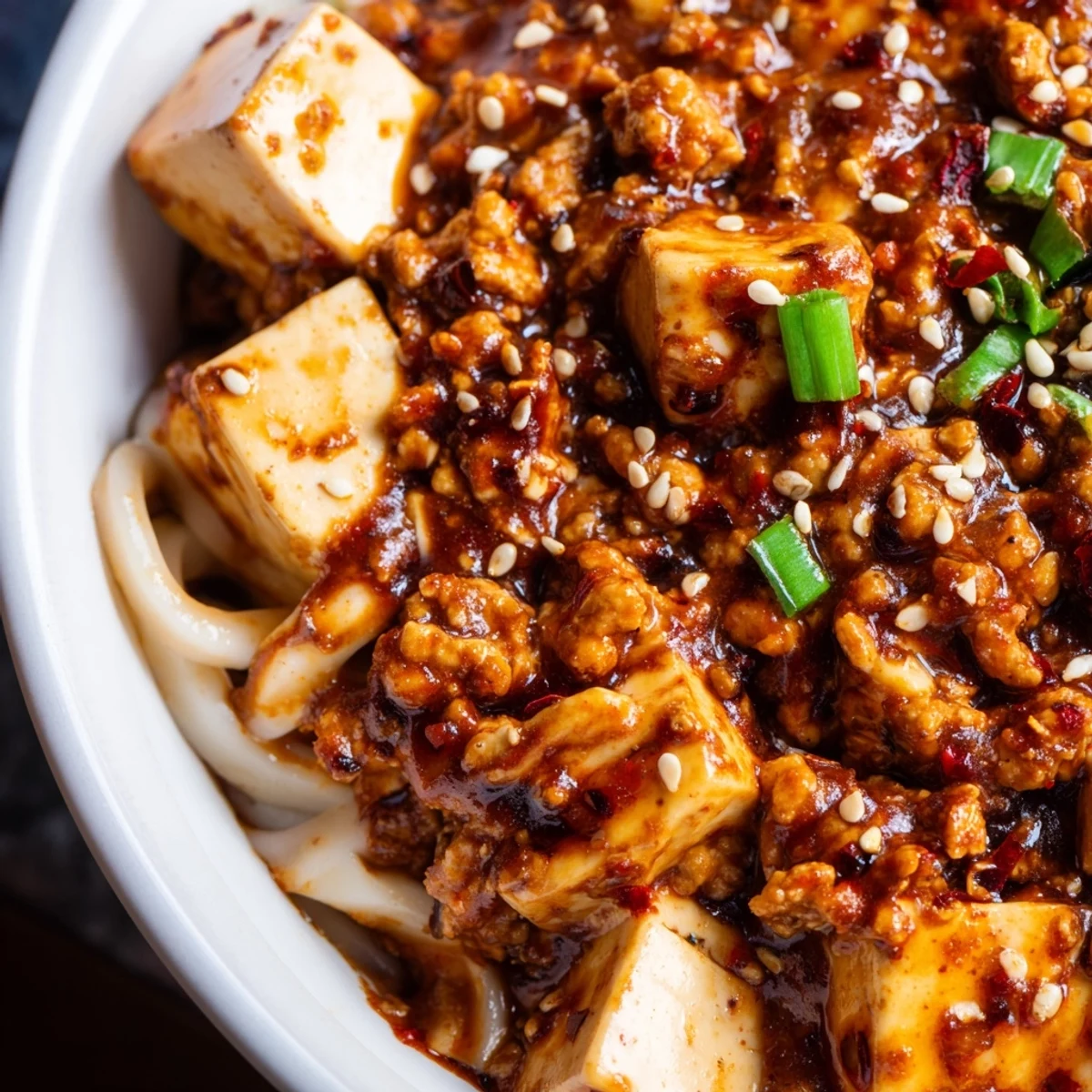
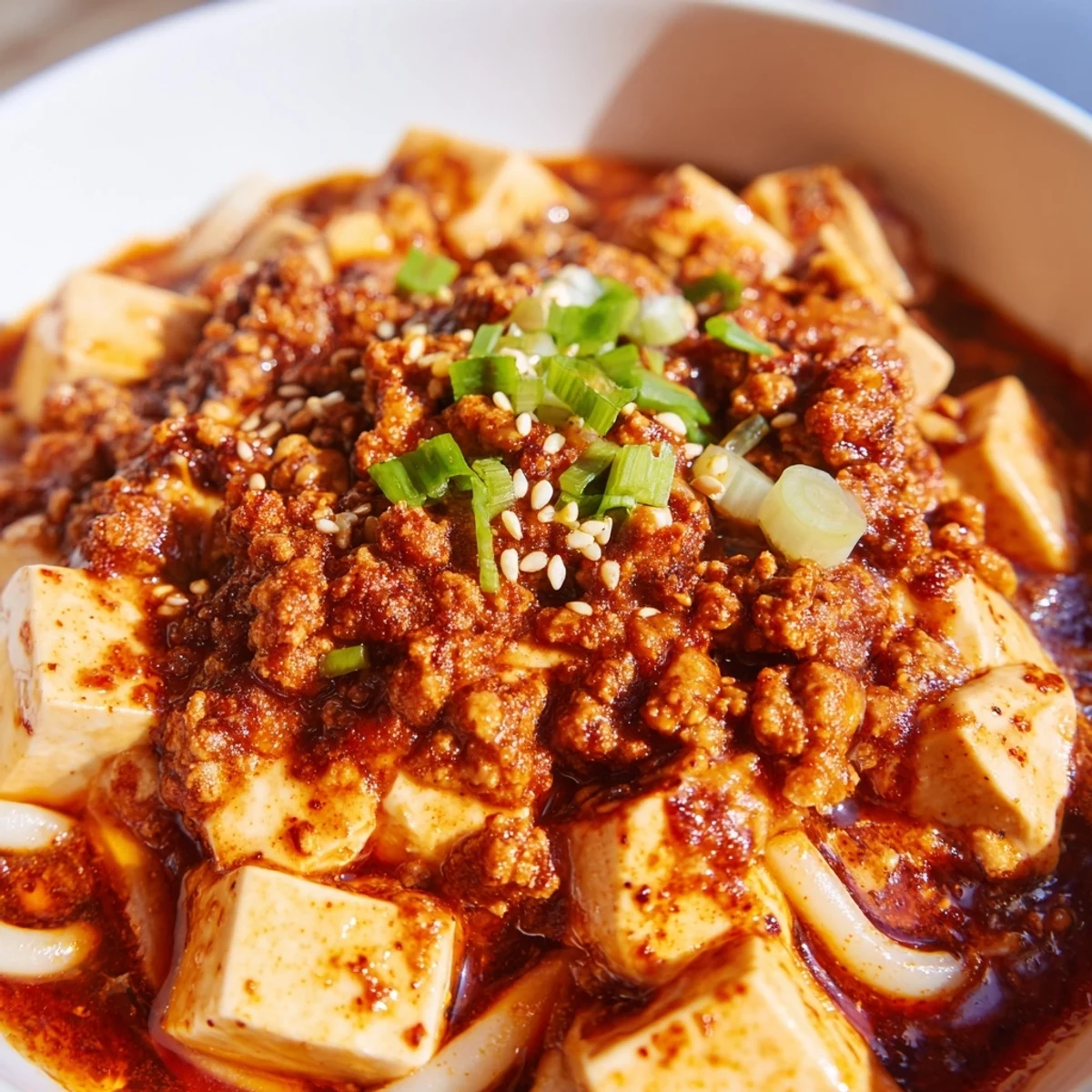
 Mapo Tofu Udon marries the fiery, numbing spices of Sichuan cuisine with the hearty satisfaction of Japanese udon. Soft tofu cubes simmer in a fragrant sauce infused with doubanjiang, garlic, ginger, and toasted Sichuan peppercorns, creating that signature mala sensation. Ground pork adds savory depth, though plant-based mince works beautifully for vegetarian versions. The thickened, glossy sauce clings perfectly to thick chewy udon noodles, making each bite a harmonious blend of textures and temperatures. Ready in just 35 minutes, this dish transforms weeknight dinners into something special while delivering that restaurant-quality experience at home.
The first time I attempted Mapo Tofu Udon was during a snowy February evening when my refrigerator held random ingredients and a craving for something fiercely warming. I had just returned from a trip to Osaka where udon shops served steaming bowls on every corner, and my kitchen still smelled like the Sichuan peppercorns I'd bought in Chengdu the month before. Combining them felt like rebellion against tradition, but that first spoonful made me forget all the rules.
Last winter, my roommate walked in while I was frying the Sichuan peppercorns, her eyes widening as that citrusy numbing scent filled our tiny apartment. She'd never had Mapo Tofu before, and watching her take that first bite eyes tearing up slightly from the heat, then immediately reaching for more became the moment this dish earned its permanent spot in our dinner rotation.
Ingredients
- Soft tofu: I learned the hard way that silken tofu falls apart completely, while firm tofu lacks that melting quality that makes this dish special
- Ground pork: Plant based mince actually works beautifully here since the sauce carries so much personality on its own
- Fresh udon noodles: Frozen or refrigerated udon have that springy chew that dried noodles can never quite achieve
- Sichuan peppercorns: Toasting them in oil first releases their signature numbing compound into the fat, which then distributes through the entire dish
- Doubanjiang: This fermented chili bean paste is the soul of the dish worth seeking out at an Asian market
- Cornstarch slurry: The glossy thickened sauce is what makes everything cling to the noodles instead of pooling at the bottom
Instructions
- Prep your mise en place:
- Get everything chopped and measured before you turn on the stove, since this recipe moves quickly once cooking starts
- Infuse the oil:
- Fry those Sichuan peppercorns in hot oil until they smell impossibly fragrant, then fish them out unless you want truly intense heat
- Build your aromatics:
- Add garlic, ginger, and the white parts of your scallions, letting them soften just enough to release their perfume
- Brown the protein:
- Crumble in your pork or plant based mince, breaking it into small pieces until it's fully cooked through
- Awaken the paste:
- Stir in the doubanjiang and watch the oil turn brilliant red as the fermented flavors bloom
- Season deeply:
- Pour in soy sauce, oyster sauce, Shaoxing wine, and sugar, letting everything bubble into a glossy base
- Gentle tofu addition:
- Slide in those delicate tofu cubes and broth, then step back and let simmer without too much stirring
- Thicken to perfection:
- Stir in your cornstarch mixture and watch the sauce transform into something velvety and coating
- Cook your noodles:
- While sauce simmers, boil udon until just tender usually just 2 3 minutes for fresh noodles
- Bring it together:
- Pile noodles into bowls and spoon that spicy, numbing sauce over the top generously
 Save to Pinterest
 My friend Sarah texted me at midnight after trying this for the first time, confessing she'd eaten standing over the stove because she couldn't wait to sit down. There's something about the way the thick sauce clings to every strand of udon that turns this from dinner into an experience you want to repeat immediately.
Making It Your Own
I've discovered that adding a handful of baby spinach or bok choy during the last minute of simmering adds freshness and makes me feel slightly less guilty about the noodles. Sometimes I'll crack an egg directly into the bubbling sauce, letting it poach among the tofu cubes for extra protein.
The Heat Factor
Start with less doubanjiang than you think you need, especially if you're new to Sichuan cuisine. The fermented heat builds slowly, and what seems mild at first can become overwhelming by the end of the bowl. I keep chili oil on the table instead for guests who want to turn up the fire.
Leftover Magic
This actually improves overnight as the tofu absorbs more of the spicy sauce. Reheat gently with a splash of water to loosen the thickened sauce back to its original consistency.
- Double the recipe and freeze portioned sauce in freezer bags
- Cook fresh udon when ready to eat for the best texture
- The frozen sauce keeps beautifully for up to three months
 Save to Pinterest
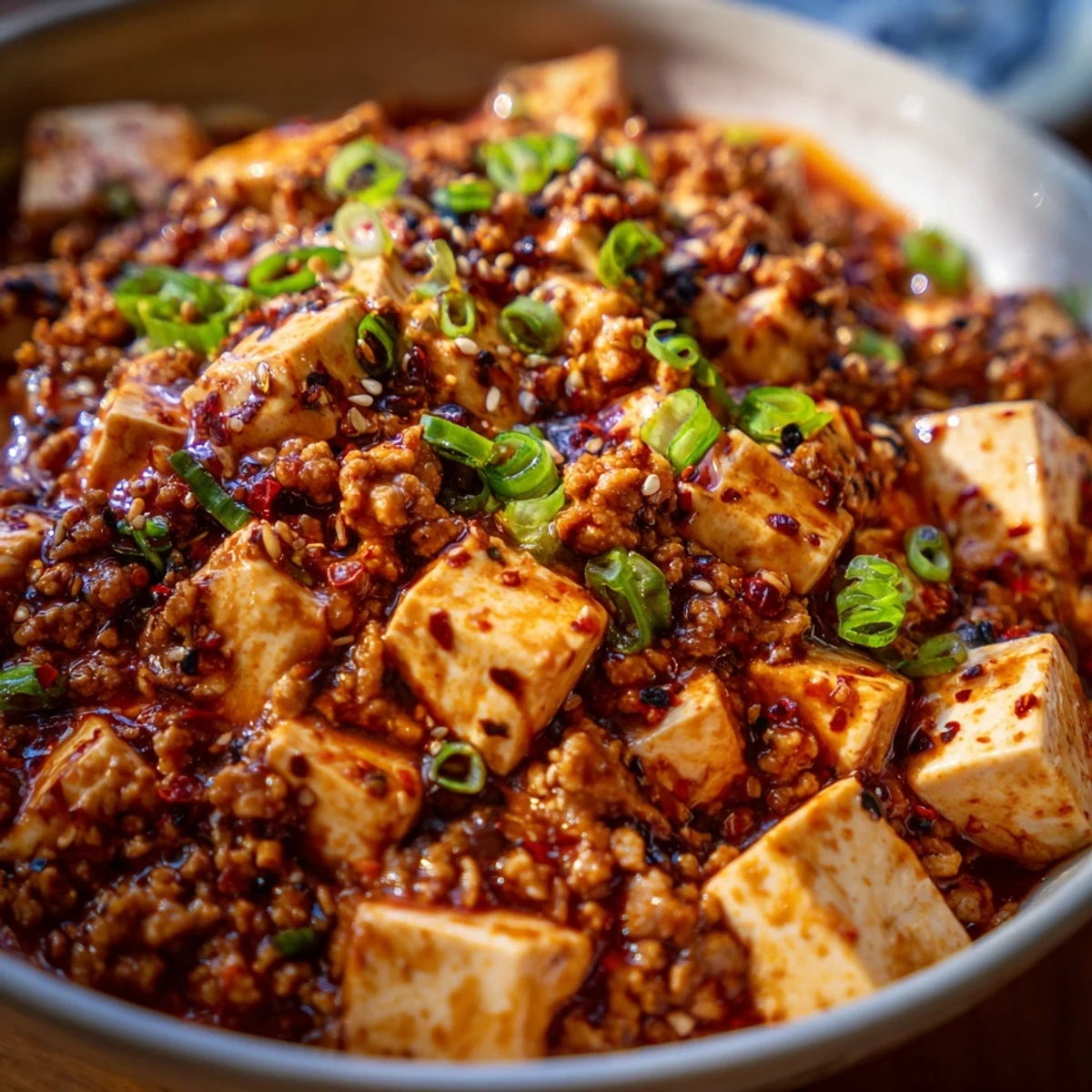
 There's honest comfort in a bowl of noodles that treats your tongue to everything it could want at once. I hope this recipe finds you on a night when you need exactly that kind of warmth.
Recipe FAQ
- → Can I make Mapo Tofu Udon vegetarian?
-
Absolutely. Substitute ground pork with plant-based mince and replace oyster sauce with mushroom sauce. The result is just as flavorful and satisfying.
- → How spicy is this dish?
-
The heat level depends on your doubanjiang amount. Start with one tablespoon for moderate spice, then add more or finish with chili oil if you prefer extra heat.
- → What type of tofu works best?
-
Soft tofu creates the silkiest texture, but medium-firm holds its shape better during stirring. Handle gently to maintain those delicate cubes.
- → Can I prepare components ahead?
-
Cube tofu and prepare aromatics several hours in advance. Cook the sauce base fresh, then reheat gently while boiling udon for serving.
- → What pairs well with Mapo Tofu Udon?
-
A crisp lager cuts through the rich sauce beautifully. Light sake complements the Japanese elements, while chilled Chinese beer balances the Sichuan spices.
- → How do I store leftovers?
-
Keep sauce and udon separately in airtight containers. The sauce improves overnight—reheat gently while freshly boiling noodles prevents them from becoming mushy.