
 Save to Pinterest
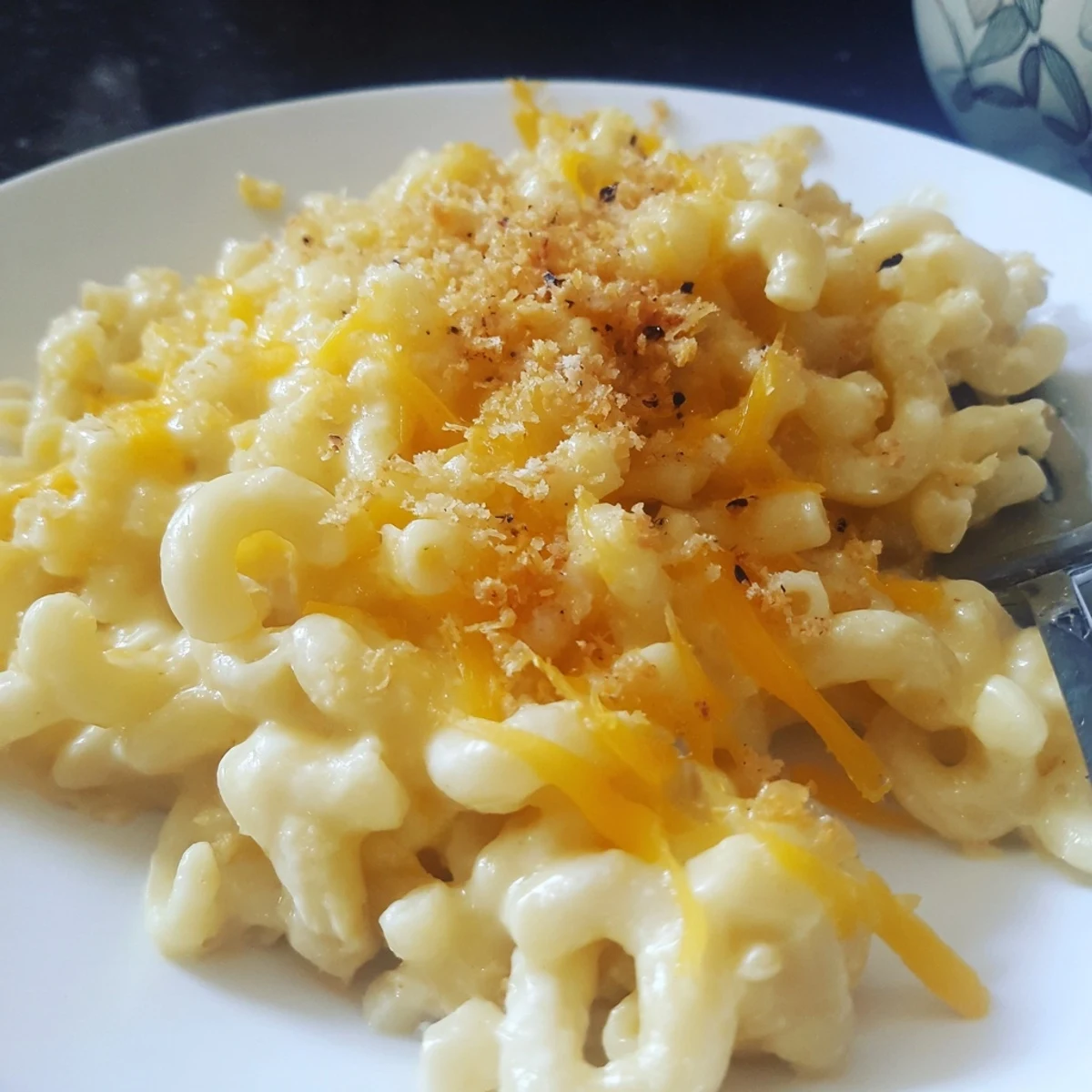
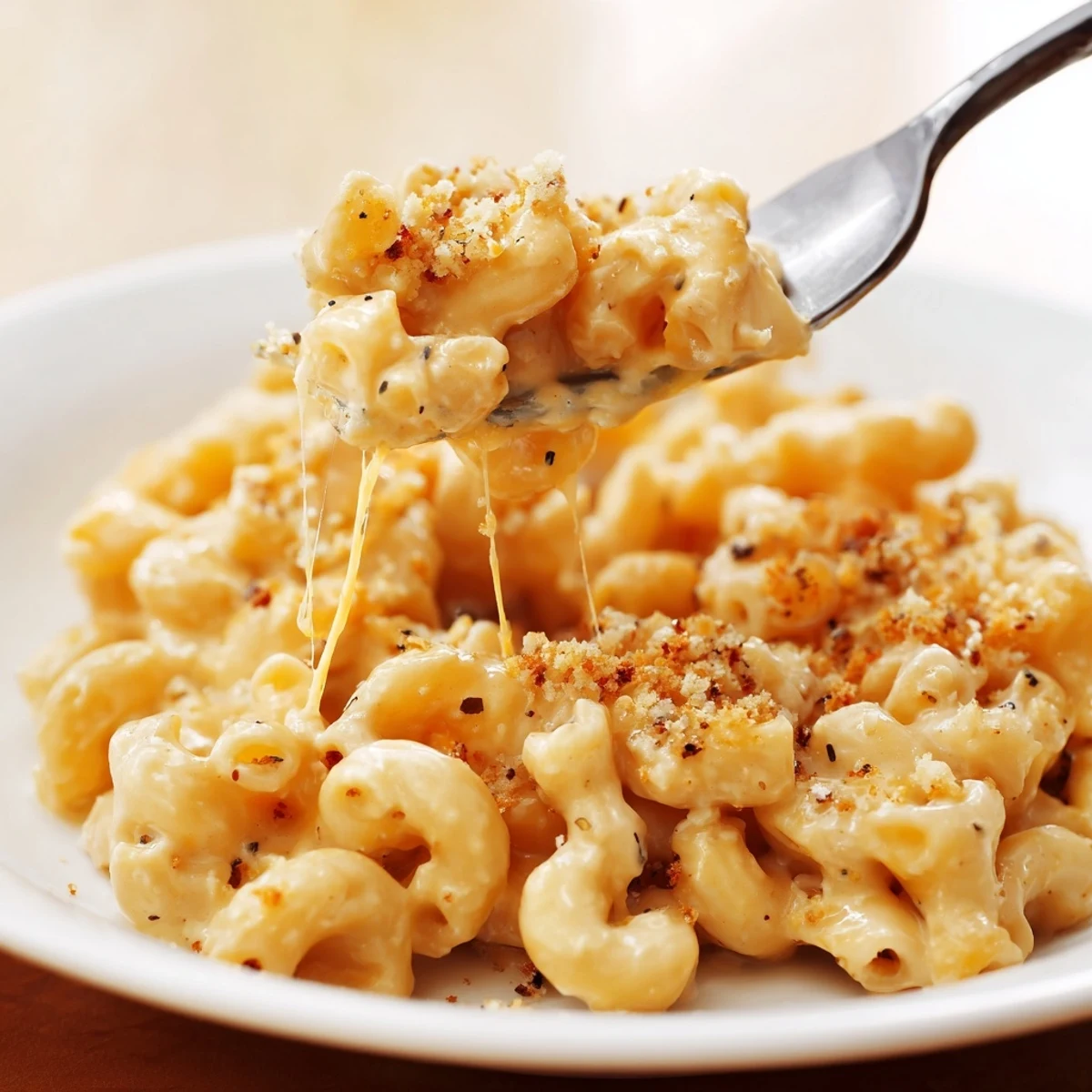
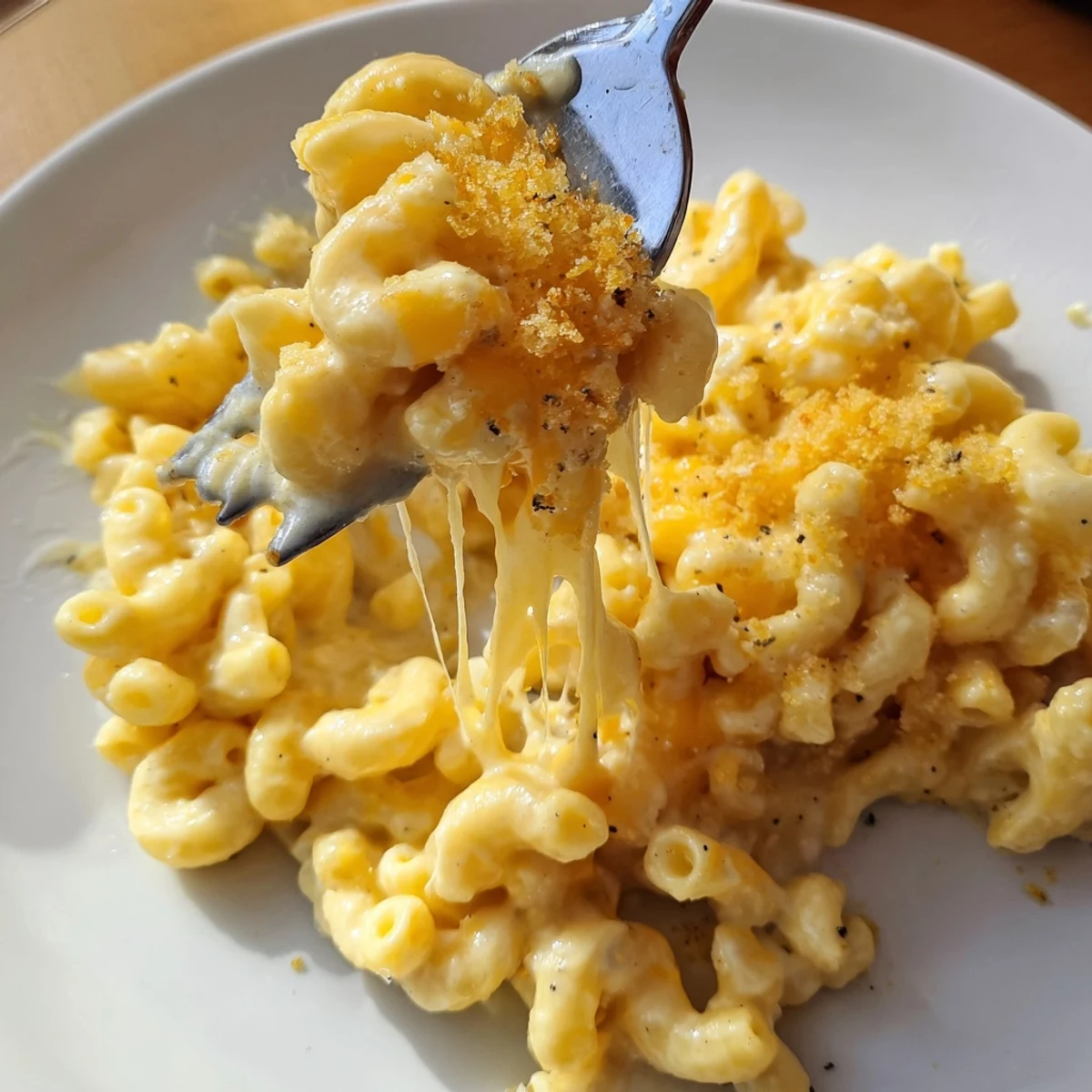
 This creamy classic combines al dente elbow pasta with a roux-thickened milk sauce spiked with Dijon and both sharp and mild cheddars. Make a quick béchamel by cooking butter and flour, whisking in milk until thick, then melt cheeses off the heat. Fold in pasta, season, and serve straightaway or top with buttered breadcrumbs and bake until golden for a crisp finish.
My sister called me one Tuesday evening in a panic because her inlaws were coming for dinner and she had nothing planned. I talked her through this mac and cheese over the phone while she stood in her kitchen in slippers, and apparently it saved the evening. There is something about a pot of pasta swimming in golden cheese sauce that makes even the most stressed cook look like a genius.
I have made this on snowy weekends when the fridge was nearly empty and on summer nights when nobody wanted to cook. Every single time, the smell of butter and flour toasting together in the pan pulls whoever is nearby right into the kitchen.
Ingredients
- 300 g elbow macaroni: The classic shape holds sauce in every curve, but any short pasta works in a pinch.
- 2 cups whole milk: Whole milk is nonnegotiable here, as lower fat versions leave the sauce thin and uninspired.
- 2 tbsp unsalted butter and 2 tbsp flour: This equal ratio creates the roux base that gives the sauce its body.
- 1 cup sharp cheddar and 1 cup mild cheddar, grated: The blend of sharp and mild creates depth without overpowering.
- 1/2 tsp Dijon mustard: A small amount sharpens the cheese flavor without making it taste like mustard.
- Salt and black pepper: Season gradually and taste as you go.
- 1/4 cup breadcrumbs, 1 tbsp melted butter, and 2 tbsp parmesan (optional topping): This trio creates the kind of golden crust people fight over.
Instructions
- Get the oven ready:
- If you are going for the baked version with the crunchy top, preheat your oven to 180 degrees Celsius (350 degrees Fahrenheit) and grease a baking dish with butter.
- Cook the pasta:
- Boil the macaroni in well salted water until just al dente, then drain it a minute before the package says to, since it will cook further in the sauce.
- Build the roux:
- Melt the butter in a saucepan over medium heat, then whisk in the flour and stir constantly for about a minute until it smells faintly nutty and looks like wet sand.
- Make it saucy:
- Pour the milk in gradually while whisking so no lumps form, then let it simmer gently for about four to five minutes until it coats the back of a spoon.
- Cheese time:
- Take the pan off the heat and stir in both cheeses along with the Dijon mustard, keeping the motion smooth and patient until every last bit has melted into silk.
- Bring it together:
- Fold the cooked pasta into the sauce, making sure every piece is coated, and at this point you could absolutely eat it right out of the pot.
- Bake if you want crunch:
- Transfer the mixture to your prepared dish, scatter the breadcrumb mixture over the top, and bake for fifteen to twenty minutes until golden and bubbling at the edges.
 Save to Pinterest
 I once watched my friend Lisa eat three helpings of this at a potluck and then quietly ask me for the recipe on the drive home. Moments like that are the whole reason I keep writing recipes down.
Making It Your Own
Toss in crispy bacon bits, caramelized onions, or a few drops of hot sauce at the end to give the dish your own signature. Gruyere or Monterey Jack can replace some of the cheddar for a more complex flavor profile.
Gluten Free Adaptation
Swap in your favorite gluten free pasta and use a one to one gluten free flour blend for the roux. The texture will be slightly different but the comfort factor stays exactly the same.
Tools and Timing
You really only need a large pot, a saucepan, a whisk, and a baking dish if you are going the crunchy route. Fifteen minutes of prep and thirty minutes in the kitchen is a small investment for something that feeds four people generously.
- A box grater works better than a microplane for cheddar because it creates sturdier shreds.
- Warm the milk slightly before adding it to the roux to speed up thickening.
- Taste the sauce for salt before combining it with the pasta, as cheese saltiness varies wildly.
 Save to Pinterest
 Some meals are just warmth on a plate, and this mac and cheese earns its place at any table without apology. Share it with someone who needs a little extra comfort tonight.
Recipe FAQ
- → How can I prevent a grainy cheese sauce?
-
Keep heat low when melting cheese, remove the pan from direct heat before adding cheeses, grate them finely, and stir constantly. A small splash of milk or a whisked egg yolk can help smooth the sauce if it begins to separate.
- → What cheese swaps work well with cheddar?
-
Gruyère, Monterey Jack, Fontina, or a young Gouda blend smoothly and add depth. Combine a sharp cheddar for flavor with a milder, high-melting cheese for creaminess.
- → How do I make the dish extra creamy?
-
Use whole milk or a mix of milk and cream, increase the cheese slightly, and stir in a bit of reserved pasta cooking water to loosen and enrich the sauce without thinning it too much.
- → Which pasta shapes work best?
-
Short shapes that trap sauce are ideal: elbow macaroni, shells, cavatappi, or small penne. They hold the cheese sauce and give a satisfying bite in each spoonful.
- → How do I get a crunchy, golden topping?
-
Toss breadcrumbs with melted butter and grated Parmesan, sprinkle evenly over the assembled dish, and bake at 180°C (350°F) for 15–20 minutes until golden. A quick broil at the end crisps the top further—watch closely to avoid burning.
- → What’s the best way to store and reheat leftovers?
-
Cool quickly, refrigerate in an airtight container for 3–4 days. Reheat gently on the stovetop with a splash of milk, or bake covered with foil, then uncover to re-crisp the topping.