
 Save to Pinterest
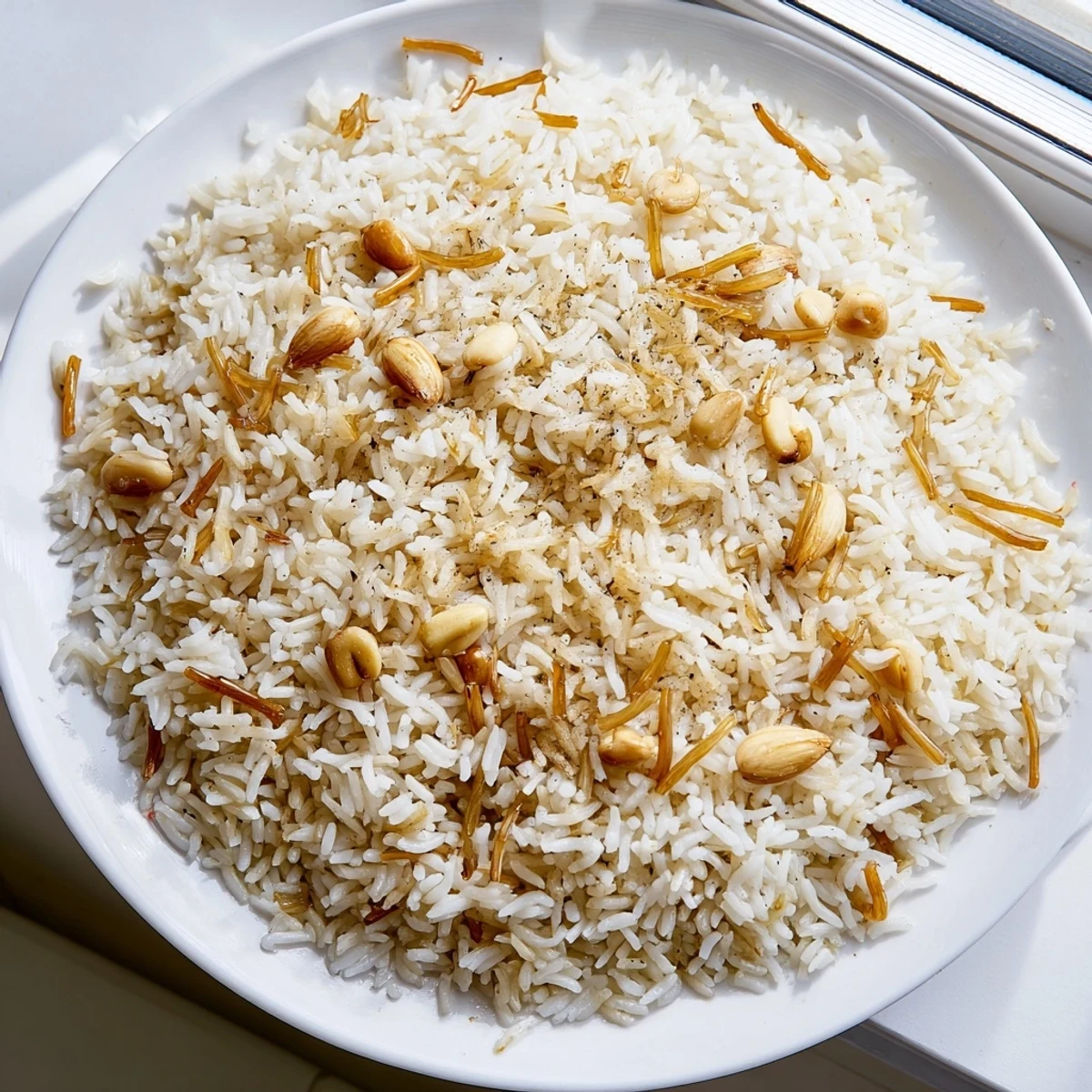
 Lebanese rice is a simple yet deeply flavorful side dish built on two key steps: toasting vermicelli noodles in butter until deeply golden, then simmering long-grain rice in that same rich fat. The result is perfectly fluffy, fragrant grains with nutty undertones from the browned pasta.
Ready in about 30 minutes with just a handful of pantry staples — rice, vermicelli, butter, olive oil, and seasoning — it pairs beautifully with grilled meats, stews, or roasted vegetables. A finishing sprinkle of toasted pine nuts adds an extra layer of crunch and tradition.
The hiss of vermicelli hitting butter is a sound I now associate entirely with my friend Hana, who stood in my tiny apartment kitchen one rainy Tuesday and refused to let me reach for the instant rice packet. She tossed golden noodle bits into the pot like it was the most obvious thing in the world, and within minutes the whole place smelled like something you would walk blocks to find. That was four years ago, and I have not made plain rice since.
Hana told me that in her household, this rice was never a side dish, it was the reason you showed up to dinner. She said her grandmother would judge the entire meal by how each grain separated on the plate, and anything clumpy meant someone was getting a long, quiet stare across the table.
Ingredients
- Long grain white rice (1 cup, basmati or jasmine): Rinsing until the water runs clear is the single most important step for achieving that separated, fluffy texture.
- Vermicelli noodles (1/2 cup, broken into 1 inch pieces): These little golden threads are what make Lebanese rice unmistakable, so do not skip them or substitute with spaghetti.
- Unsalted butter (2 tablespoons): Butter gives the rice its rich, round flavor, and browning it slightly before adding the noodles only makes things better.
- Olive oil (1 tablespoon): A small amount of oil keeps the butter from burning during the toasting step and adds a subtle fruitiness.
- Water or low sodium chicken broth (2 cups): Broth will give you a deeper, more savory result, but water lets the butter and vermicelli flavors shine on their own.
- Salt (1 teaspoon): This might seem like a lot, but the rice needs it to bring every other flavor forward.
- Ground white pepper (1/4 teaspoon, optional): A gentle warmth that does not distract, though black pepper works if that is what you have.
Instructions
- Wash the rice:
- Run cold water over the rice in a fine mesh sieve, swishing it around with your fingers, until the water turns from cloudy to nearly transparent.
- Toast the vermicelli:
- Melt the butter and olive oil together in a medium saucepan over medium heat, then add the broken noodles and stir them constantly until they turn a deep, toasty golden color, which happens fast so stay right there.
- Coat the grains:
- Add the drained rice to the pot and stir gently for about a minute so every grain gets slicked with butter and oil.
- Build the liquid:
- Pour in the water or broth, season with salt and white pepper, and bring everything to a full rolling boil.
- Steam it low and slow:
- Drop the heat to the lowest setting, clamp on the lid, and walk away for 15 minutes while the rice absorbs every drop and the kitchen smells impossibly good.
- Rest before fluffing:
- Take the pot off the heat but leave the lid on for 5 more minutes, then fluff gently with a fork so the grains separate without turning gummy.
 Save to Pinterest
 I brought a big bowl of this to a potluck once, and a woman I had never met followed me to the car to ask what was in it. She told me it reminded her of her mother, and we stood in the parking lot for twenty minutes talking about food and families and the things we remember through our noses.
Serving Suggestions
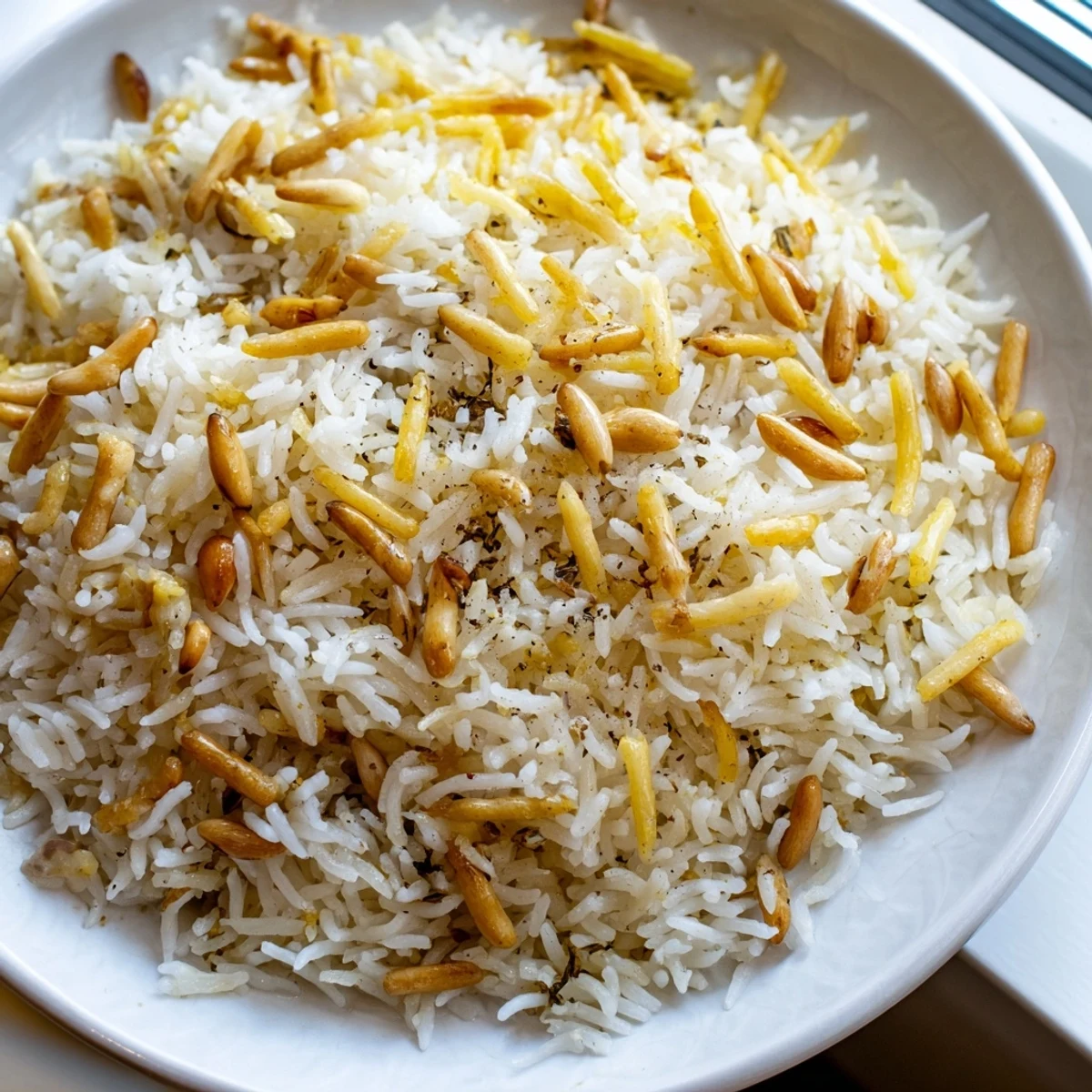
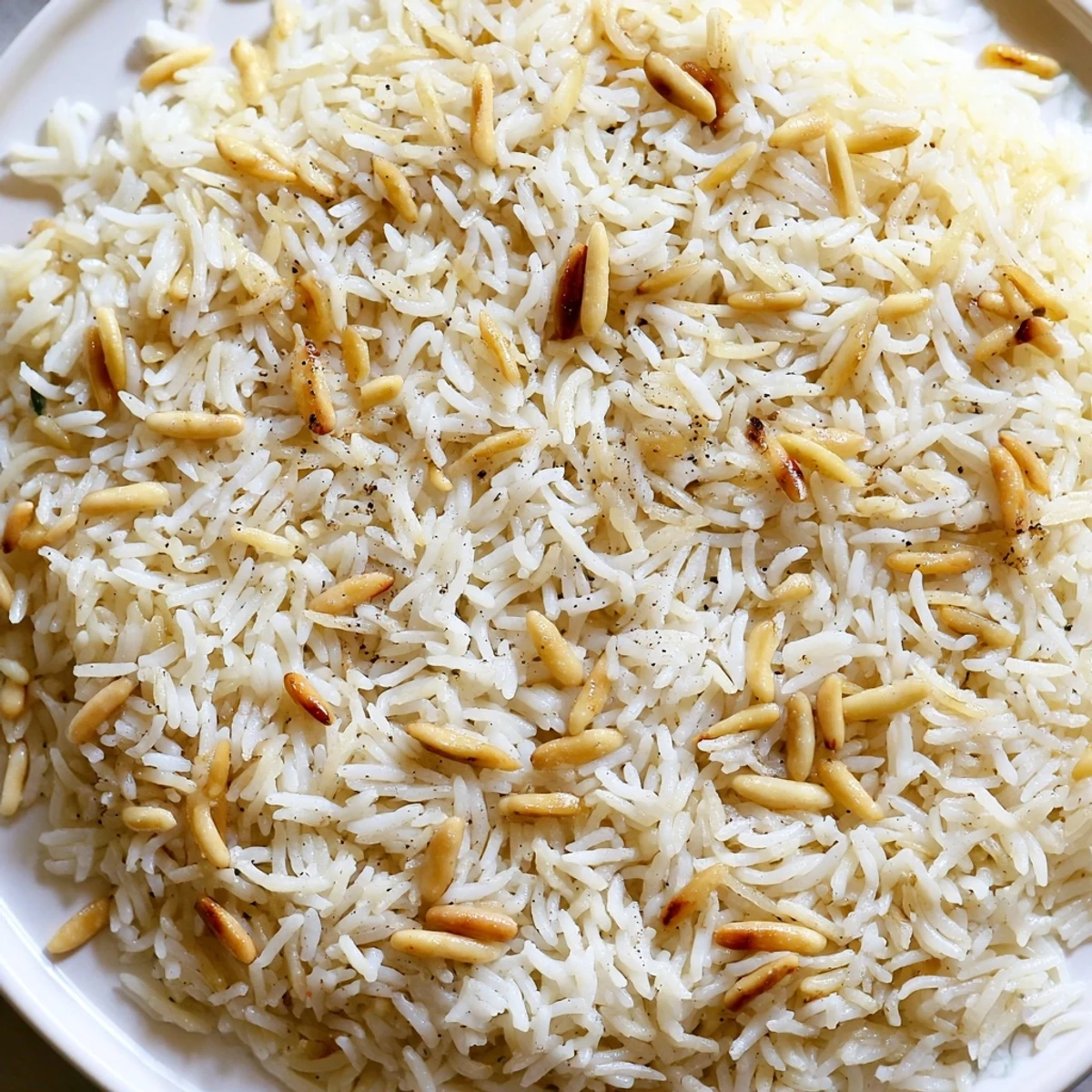
This rice is happiest next to something saucy, whether that is a slow braised lamb, roasted vegetables with tahini, or even a simple tomato and cucumber salad with lots of lemon juice. For a more festive presentation, toast a handful of pine nuts in a dry skillet until they are fragrant and scatter them over the top right before serving. The crunch against the soft rice is the kind of contrast that makes people go back for seconds without being asked.
Making It Your Own
Once you have the basic technique down, this recipe bends easily in different directions. You can stir in a pinch of cinnamon or cardamom with the salt for a warmer, more aromatic profile, or fold in fresh chopped parsley and a squeeze of lemon at the end for something brighter. A friend of mine adds a handful of toasted almonds and calls it dinner, and honestly, she is not wrong.
Storage and Reheating
Leftover Lebanese rice keeps beautifully in an airtight container in the refrigerator for up to four days, and it reheats like a dream with a splash of water and a minute in the microwave. It also freezes well for up to three months if you spread it flat in a zip top bag so it thaws quickly.
- Sprinkle a few drops of water over the rice before reheating to bring back the fluffy texture.
- Use leftover rice in stuffed peppers or as a base for a quick fried rice the next day.
- Always let the rice cool completely before sealing it up, otherwise trapped moisture will make it soggy.
 Save to Pinterest
 Some dishes earn a permanent spot in your rotation not because they are flashy, but because they make every meal at the table feel a little more complete. This is that kind of rice.
Recipe FAQ
- → What type of rice works best for Lebanese rice?
-
Long-grain white rice such as basmati or jasmine yields the best results. These varieties cook up light and separate, which is essential for achieving the signature fluffy texture. Avoid short-grain or medium-grain rice, as they tend to become sticky and clump together.
- → Why do you toast the vermicelli before cooking the rice?
-
Toasting the vermicelli in butter and olive oil serves two purposes: it develops a deep, nutty flavor through the Maillard reaction, and it helps the pasta maintain a slight firmness during simmering. This golden-brown step is what gives Lebanese rice its distinctive taste and aroma.
- → Can I make Lebanese rice ahead of time?
-
Yes, Lebanese rice reheats well. Store it in an airtight container in the refrigerator for up to 4 days. To reheat, sprinkle a tablespoon of water over the rice and warm it gently in a covered saucepan over low heat, or microwave in 30-second intervals, fluffing with a fork between rounds.
- → How do I prevent the vermicelli from burning while toasting?
-
Keep the heat at medium and stir constantly once the vermicelli hits the pan. The pasta can go from golden to burnt in seconds, so stay attentive. Remove the saucepan from heat momentarily if the noodles are browning too quickly, then return to a lower heat setting.
- → Is there a vegan version of this dish?
-
Absolutely. Replace the unsalted butter with an equal amount of olive oil or a quality plant-based butter. The vermicelli will still toast beautifully in oil, and the final dish retains its signature fluffy, nutty character. Use gluten-free vermicelli noodles to accommodate gluten sensitivities as well.
- → What should I serve with Lebanese rice?
-
This versatile side complements grilled lamb, chicken shawarma, beef kofta, or kibbeh. It also works wonderfully alongside vegetable stews, roasted eggplant dishes, or simple yogurt-based meals. For a traditional presentation, top with toasted pine nuts or slivered almonds before serving.