
 Save to Pinterest
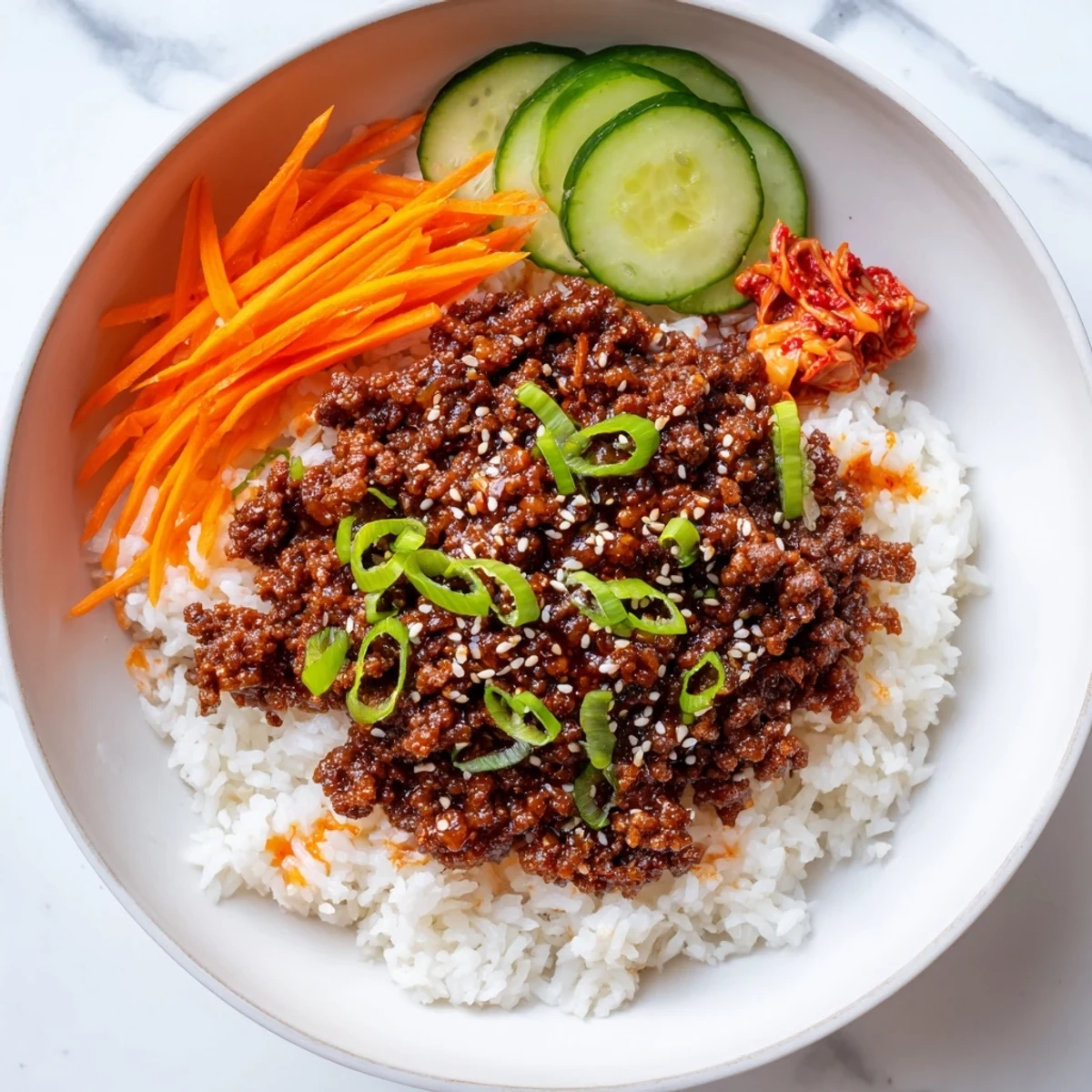
 This Korean-inspired ground beef bowl comes together in just 25 minutes, making it perfect for busy weeknights. Savory ground beef is browned and simmered in a rich sauce made with soy sauce, brown sugar, sesame oil, garlic, ginger, and gochujang.
Served over steamed jasmine rice and topped with fresh green onions, julienned carrot, cucumber, sesame seeds, and optional kimchi, each bowl delivers a satisfying balance of sweet, spicy, and umami flavors.
Customizable with ground chicken or turkey, adjustable heat levels, and gluten-free tamari, this dish adapts easily to dietary preferences.
The sizzle of ground beef hitting a hot skillet on a Tuesday evening is its own kind of therapy, and this Korean inspired bowl has rescued more weeknights than I can count. It started as a fridge cleanup experiment that turned into the meal my family requests on repeat. Sweet, savory, and just spicy enough to wake up your palate, it comes together faster than delivery. Twenty five minutes from pantry to plate, and somehow it tastes like you spent hours.
My youngest once declared this better than takeout, and I caught him drizzling the extra sauce over his rice long after the beef was gone. That sticky, glossy sauce pooling at the bottom of the bowl is practically a condiment on its own.
Ingredients
- 1 lb (450 g) lean ground beef: Lean works best here because you get enough fat for flavor without needing to drain half the pan. 85 percent lean is my sweet spot.
- 2 cups cooked jasmine or short grain rice: Short grain rice gives that satisfying chew and clumps together beautifully under the saucy beef. Cook it ahead so it is ready to go.
- 1/4 cup low sodium soy sauce: Low sodium lets you control the salt level without losing that deep umami backbone the whole dish depends on.
- 2 tbsp brown sugar: This is what creates that caramel like glaze that coats the beef and makes the sauce irresistibly sticky.
- 1 tbsp sesame oil: Toasted sesame oil is the flavor that immediately tells your brain this is Korean food. A little goes a long way, so measure carefully.
- 3 cloves garlic, minced: Fresh garlic only. The jarred stuff lacks the sharp bite that balances the sweetness of the sugar.
- 1 tbsp grated fresh ginger: Grate it on a microplane so it practically melts into the sauce. No one wants to bite into a fibrous ginger chunk.
- 1/2 to 1 tsp crushed red pepper flakes: Start with half a teaspoon, taste, and build from there. You can always add heat but you cannot take it away.
- 2 tsp rice vinegar: Just a splash to brighten everything and cut through the richness of the beef and sugar.
- 1 tbsp gochujang (optional): This Korean chili paste adds depth and a fermented warmth that regular pepper flakes cannot replicate. Worth seeking out.
- 2 green onions, sliced: Slice them thin on a sharp diagonal so they look as good as they taste scattered over the top.
- 1 tbsp toasted sesame seeds: Toast them yourself in a dry pan for one minute. The store bought pre toasted ones always taste flat.
- 1 carrot, julienned: Adds crunch and a pop of orange that makes the bowl look restaurant worthy.
- 1 small cucumber, thinly sliced: Cool cucumber against warm spicy beef is the contrast that makes every bite interesting.
- Kimchi (optional, for serving): If you have it, add it. The funky tang of well fermented kimchi alongside this sweet beef is transformative.
Instructions
- Whisk the sauce together:
- In a small bowl, combine the soy sauce, brown sugar, sesame oil, garlic, ginger, red pepper flakes, rice vinegar, and gochujang if using. Whisk until the sugar dissolves and everything looks unified. Give it a smell. It should already be intoxicating.
- Brown the beef:
- Heat a large skillet over medium high heat and add the ground beef. Break it apart with a wooden spoon as it cooks, keeping some pieces slightly larger for texture. Let it cook undisturbed for a minute here and there so real browning happens. That deep color is where the flavor lives.
- Bring it all together:
- Pour the sauce over the browned beef and stir to coat every crumb. Let it simmer for two to three minutes until the sauce thickens and turns glossy, clinging to the beef like a glaze rather than pooling at the bottom.
- Build your bowls:
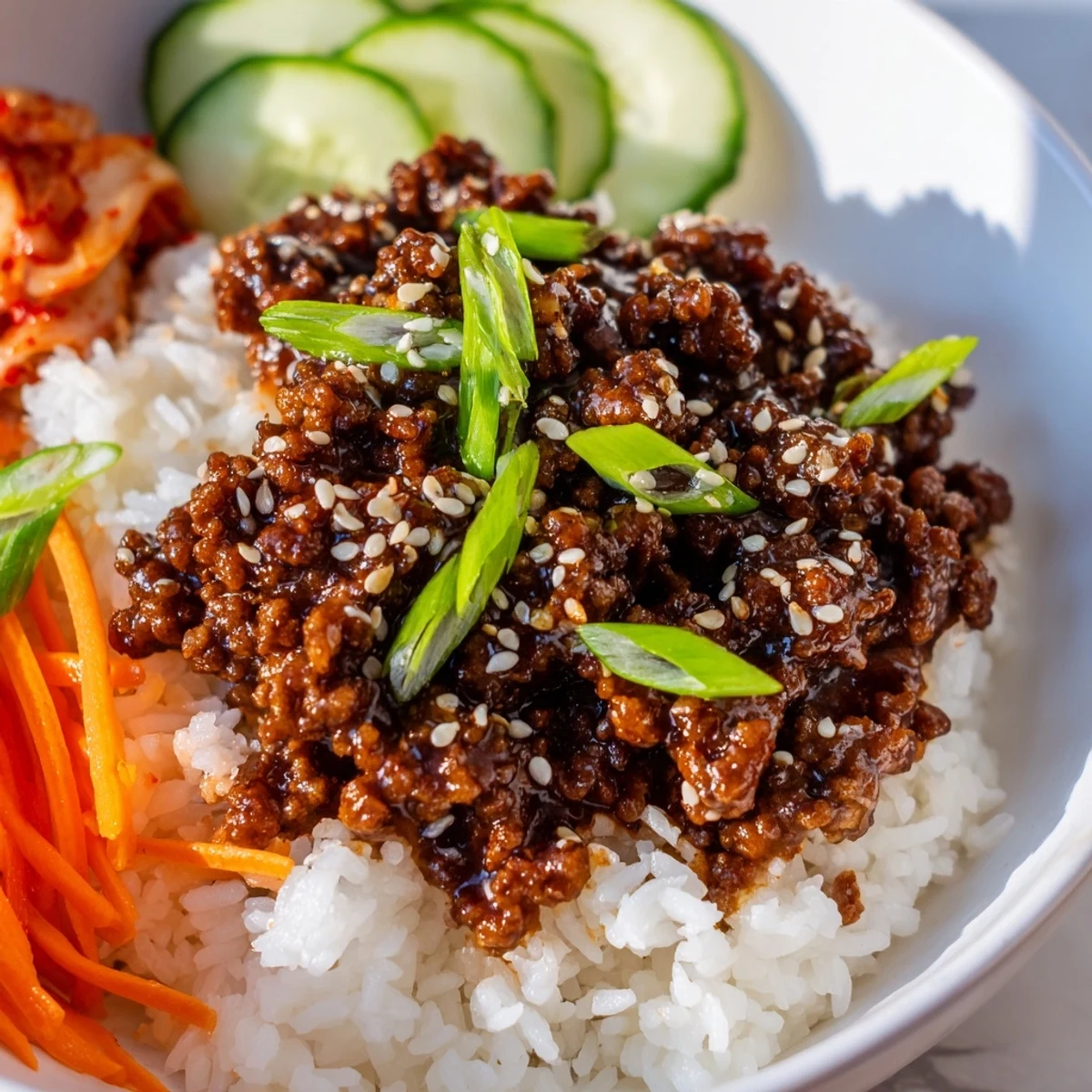
- Divide the warm rice among four bowls. Spoon the saucy beef generously over each bed of rice, letting some of that sauce seep down into the grains below.
- Finish with toppings:
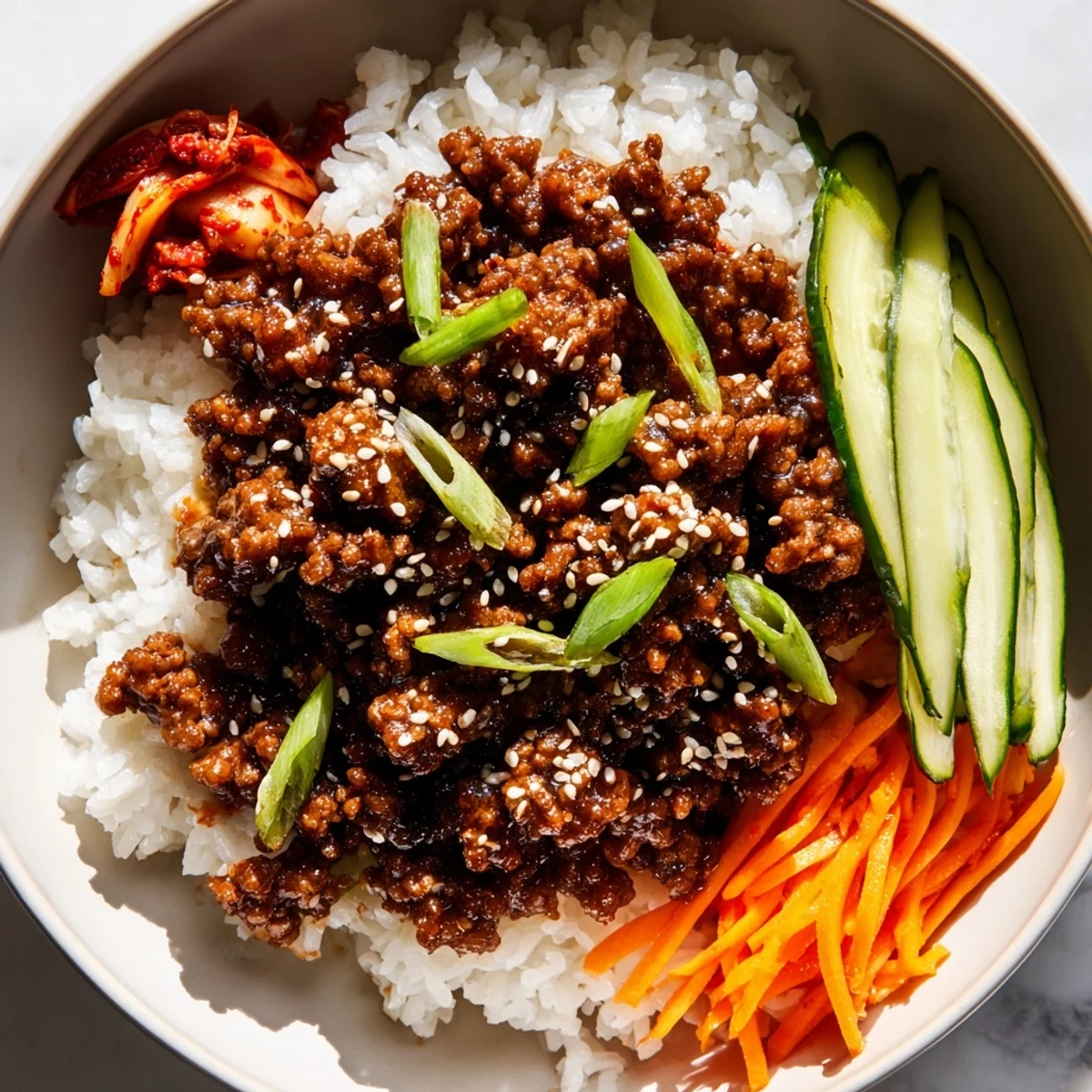
- Scatter green onions, sesame seeds, julienned carrot, and cucumber slices over each bowl. Add kimchi on the side if you have it, and serve immediately while everything is piping hot.
 Save to Pinterest
 The best meals are the ones that become part of your household vocabulary, where someone says let us have that beef bowl tonight and everyone knows exactly what they mean. This one earned that status within a month of the first attempt.
Swaps and Substitutions
Going gluten free is straightforward here. Swap tamari for the soy sauce and double check your gochujang label, as some brands sneak wheat into the ingredient list. Ground turkey works beautifully and actually absorbs the sauce a bit more aggressively than beef, so you may want an extra splash of soy sauce to compensate. For a vegetarian version, crumbled extra firm tofu or a mix of shiitake and cremini mushrooms gives you that satisfying umami base.
Making It a Full Meal
A simple side of steamed or roasted broccoli rounds this out perfectly, adding green color and a slight bitterness that balances the sweet sauce. Quick pickled radishes or a basic cucumber salad with rice vinegar and a pinch of sugar also work as refreshing counterpoints. If you are feeding a crowd, set out all the toppings in small bowls and let everyone customize their own. It turns dinner into something interactive and fun without any extra effort from you.
Storage and Reheating
The beef mixture stores beautifully in an airtight container in the refrigerator for up to four days, and the flavors actually deepen overnight as the garlic and ginger continue to mingle. Reheat it gently in a skillet with a splash of water or in the microwave in thirty second bursts. Keep the toppings stored separately so nothing gets soggy. Cook fresh rice when ready to serve, though leftover rice works fine in a pinch.
- Freeze the cooked beef mixture in portion sized bags for up to three months and thaw overnight in the fridge.
- Keep toppings prepped in separate containers in the fridge for easy bowl assembly throughout the week.
- Always taste and adjust seasoning after reheating, as flavors can mellow during storage.
 Save to Pinterest
 Some recipes earn a permanent spot in your rotation not because they are fancy but because they make an ordinary evening feel a little special. This is that recipe, and once you make it, you will understand why the bowl always ends up scraped clean.
Recipe FAQ
- → Can I use a different type of meat instead of ground beef?
-
Yes, ground chicken or turkey work well as lighter alternatives. Simply follow the same cooking instructions, ensuring the meat is fully cooked through before adding the sauce.
- → How spicy is this Korean ground beef bowl?
-
The heat level is fully adjustable. The crushed red pepper flakes and gochujang control the spice. Use 1/2 teaspoon of flakes and skip the gochujang for mild heat, or increase both for a spicier kick.
- → Can I make this dish gluten-free?
-
Absolutely. Replace the regular soy sauce with tamari, which is a gluten-free alternative. Double-check that your gochujang brand is also certified gluten-free if using it.
- → What is the best rice to serve with Korean ground beef?
-
Short-grain white rice or jasmine rice are ideal choices. Short-grain rice provides a stickier texture that pairs well with the saucy beef, while jasmine rice offers a lighter, fluffier base.
- → How should I store and reheat leftovers?
-
Store the beef mixture and rice separately in airtight containers in the refrigerator for up to 3 days. Reheat the beef in a skillet or microwave until warmed through, and store fresh toppings separately to maintain their crunch.
- → What toppings go well with this bowl?
-
Traditional toppings include sliced green onions, toasted sesame seeds, julienned carrot, thinly sliced cucumber, and kimchi. A fried egg on top adds richness, and sliced avocado or pickled radish also make great additions.