
 Save to Pinterest
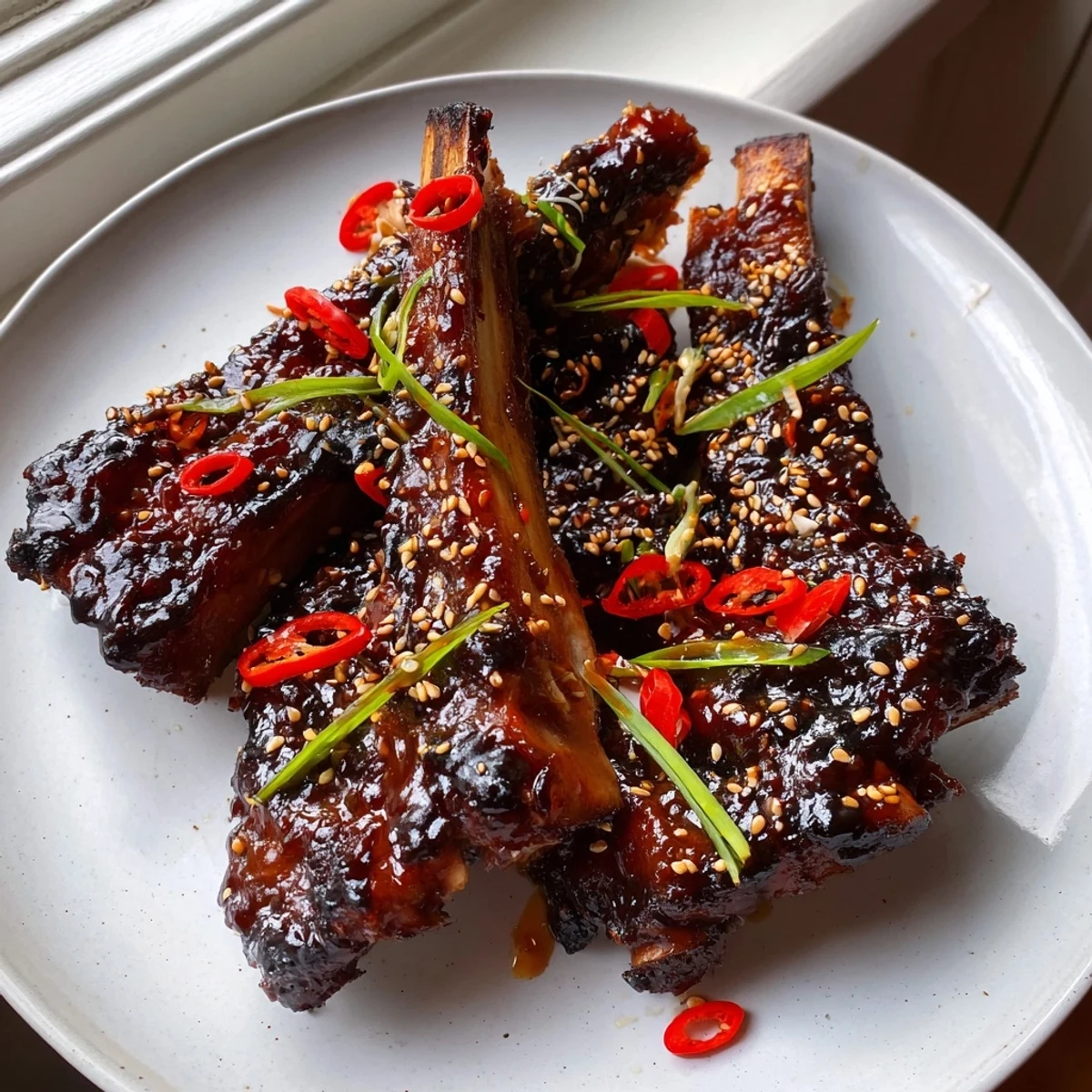
 Succulent lamb ribs get the full Korean BBQ treatment with a bold marinade of gochujang, soy sauce, sesame oil, honey, garlic, and ginger. Slow-roasted then flash-grilled for that irresistible caramelized char.
The real magic comes from a generous squeeze of fresh yuzu over the finished ribs, cutting through the richness with its unique floral citrus tang. Topped with toasted sesame seeds, spring onions, and optional chili slices, these ribs are perfect served alongside steamed rice and kimchi for a complete Korean fusion spread.
The sizzle of lamb ribs hitting a screaming hot grill is a sound that lives rent free in my head, somewhere between a campfire crackle and a dinner bell. My neighbor Dongheun once brought over a jar of homemade gochujang paste, and we spent an entire Saturday afternoon figuring out what to slather it on. Lamb ribs were not the obvious choice, but that first bite, sticky and charred with a hit of citrus, made us both stop talking, which if you know Dongheun is saying something.
I have made these ribs for backyard cookouts, quiet Tuesday dinners, and one memorable evening when the power went out and we finished them on a charcoal grill by lantern light. Each time someone picks up a bone with both hands and goes quiet, I know the recipe has done its job.
Ingredients
- Lamb ribs (1.5 kg): Ask your butcher for riblets if you cannot find full racks, because the smaller pieces soak up more marinade per bite.
- Soy sauce (4 tablespoons): Use a good quality Korean or Japanese soy sauce, and swap to tamari if you need gluten free.
- Gochujang (2 tablespoons): This fermented chili paste is the backbone of the flavor, so do not skimp on quality.
- Sesame oil (2 tablespoons): Toasted sesame oil adds a nutty depth that ties the whole marinade together.
- Honey (2 tablespoons): Helps the marinade caramelize into a gorgeous lacquered finish.
- Garlic (4 cloves, minced): Fresh garlic only, because the jarred stuff tastes flat against the gochujang.
- Ginger (2 tablespoons, grated): Finely grated ginger melts into the marinade and warms every bite.
- Rice vinegar (1 tablespoon): Balances the sweetness of the honey and brown sugar.
- Brown sugar (1 tablespoon): Works with the honey to build that sticky, chewy edge.
- Black pepper (1 teaspoon, freshly ground): Adds a subtle heat that complements the chili paste without competing.
- Spring onions (2, finely chopped, plus extra for garnish): The chopped ones soften into the marinade while the sliced garnish stays bright and fresh.
- Yuzu (1 fruit or 3 tablespoons juice): If you cannot find fresh yuzu, bottled juice works, but never skip this ingredient.
- Toasted sesame seeds (1 tablespoon): Toast them yourself in a dry pan for thirty seconds and you will taste the difference instantly.
- Red chili (1, finely sliced, optional): For those who want an extra kick on top of the gochujang warmth.
Instructions
- Build the marinade:
- In a large bowl, whisk together the soy sauce, gochujang, sesame oil, honey, garlic, ginger, rice vinegar, brown sugar, pepper, and chopped spring onions until the mixture is smooth and fragrant. Taste it on your fingertip and adjust if you want more heat or sweetness.
- Coat the ribs:
- Place the lamb ribs in a large resealable bag or a shallow dish and pour the marinade over them, massaging it into every surface. Let them rest in the refrigerator for at least one hour, though overnight makes the flavor penetrate deep into the meat.
- Set up for roasting:
- Preheat your oven to 160 degrees Celsius and line a baking sheet with foil, then set a wire rack on top. Arrange the ribs on the rack in a single layer and pour any leftover marinade into a small saucepan to save for basting.
- Slow roast:
- Roast the ribs for one hour, pulling them out halfway through to baste with the reserved marinade so the glaze builds in layers. The kitchen will start smelling incredible around the thirty minute mark.
- Char and finish:
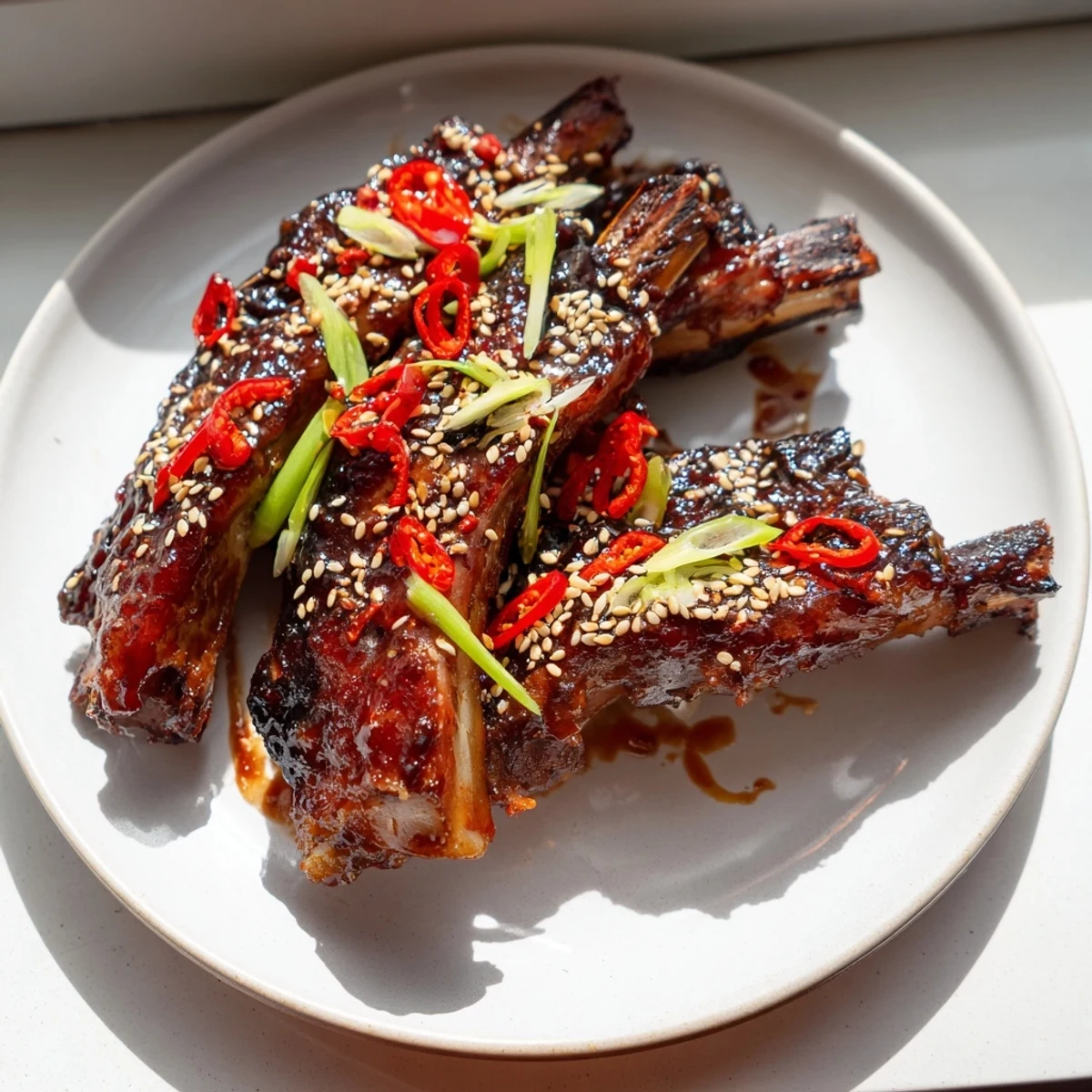
- Crank up your grill or broiler to high and transfer the ribs to get a fierce char for three to five minutes per side. You want dark caramelized spots and edges that look almost too beautiful to eat.
- The yuzu squeeze:
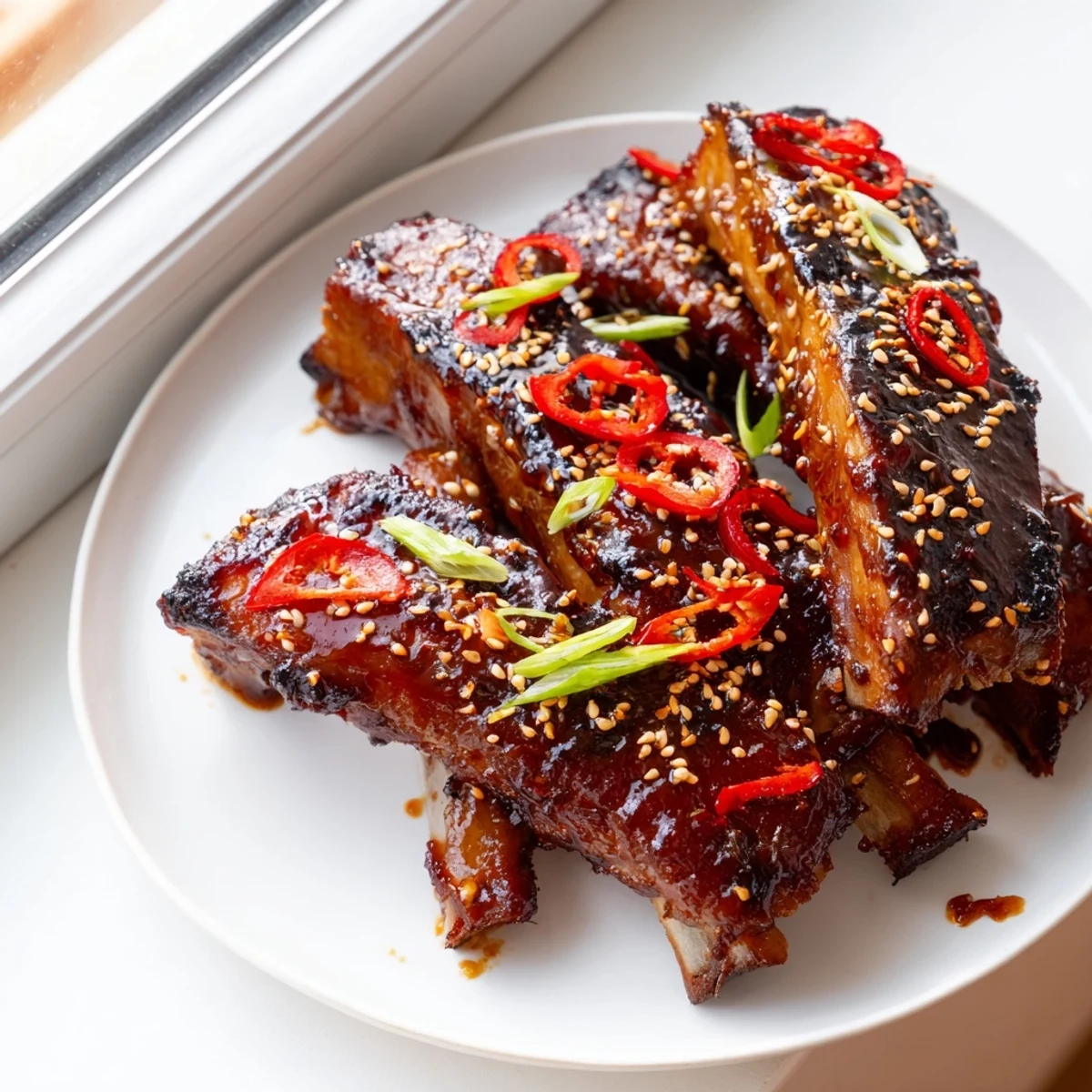
- Pull the ribs off the heat and immediately squeeze fresh yuzu juice all over them while they are still sizzling. Scatter toasted sesame seeds, sliced spring onions, and chili over the top and serve with extra yuzu wedges on the side.
 Save to Pinterest
 There is a specific kind of joy in watching someone lick gochujang glaze off their fingers and reach for another rib without saying a word. That quiet grab is the highest compliment any cook can receive.
What to Serve Alongside
Steamed white rice is the obvious partner because it soaks up the sticky marinade that drips off the bones. A simple plate of kimchi adds fermented crunch that mirrors the gochujang without repeating it, and grilled zucchini or eggplant make the meal feel complete without stealing attention from the star.
Handling Leftovers
If you somehow end up with leftover ribs, pull the meat off the bones and tuck it into a warm tortilla with a drizzle of the leftover yuzu juice and a few shreds of cabbage. The flavors mellow overnight into something softer but no less addictive.
Getting the Char Right
The difference between good ribs and unforgettable ones lives in those final minutes under intense heat. Watch them like a hawk because the line between beautifully caramelized and acrid is thin.
- Move the ribs around on the grill if one spot is hotter than another so every piece gets equal treatment.
- Keep the door cracked if using a broiler so you can hear the sizzle change pitch.
- Trust your eyes over the timer because every grill and broiler runs differently.
 Save to Pinterest
 Every time I squeeze that yuzu over hot, charred ribs, I think of Dongheun standing in my kitchen with flour on his shirt and a jar of paste he was so proud of. Good food is really just an excuse to hold on to people.
Recipe FAQ
- → Can I substitute yuzu with another citrus?
-
Yes, if you cannot find fresh yuzu or yuzu juice, a combination of equal parts lemon and lime juice works well as a substitute. It will not replicate the exact floral notes of yuzu but will still provide a bright, refreshing citrus finish.
- → How long should I marinate the lamb ribs?
-
For the best flavor development, marinate the ribs for at least 1 hour. However, leaving them overnight in the refrigerator allows the gochujang, garlic, and ginger to deeply penetrate the meat, resulting in much more tender and flavorful ribs.
- → Can I cook these ribs entirely on the grill?
-
The two-step cooking method is recommended for optimal results. Slow-roasting at a low temperature tenderizes the meat, while the final high-heat grill or broil step creates the caramelized, slightly charred exterior. Skipping the oven step may result in tougher meat.
- → What does gochujang taste like and where can I find it?
-
Gochujang is a Korean fermented chili paste with a complex sweet, savory, and spicy flavor profile. It adds depth and umami to the marinade. You can find it in most Asian grocery stores, well-stocked supermarkets, or online. Check the label for gluten-free versions if needed.
- → What side dishes pair well with these lamb ribs?
-
Steamed white rice is a natural companion to soak up the flavorful juices. Korean sides like kimchi, pickled radish, or a simple cucumber salad work beautifully. Grilled vegetables such as zucchini, eggplant, or king oyster mushrooms also complement the smoky, sweet-savory ribs perfectly.