
 Save to Pinterest
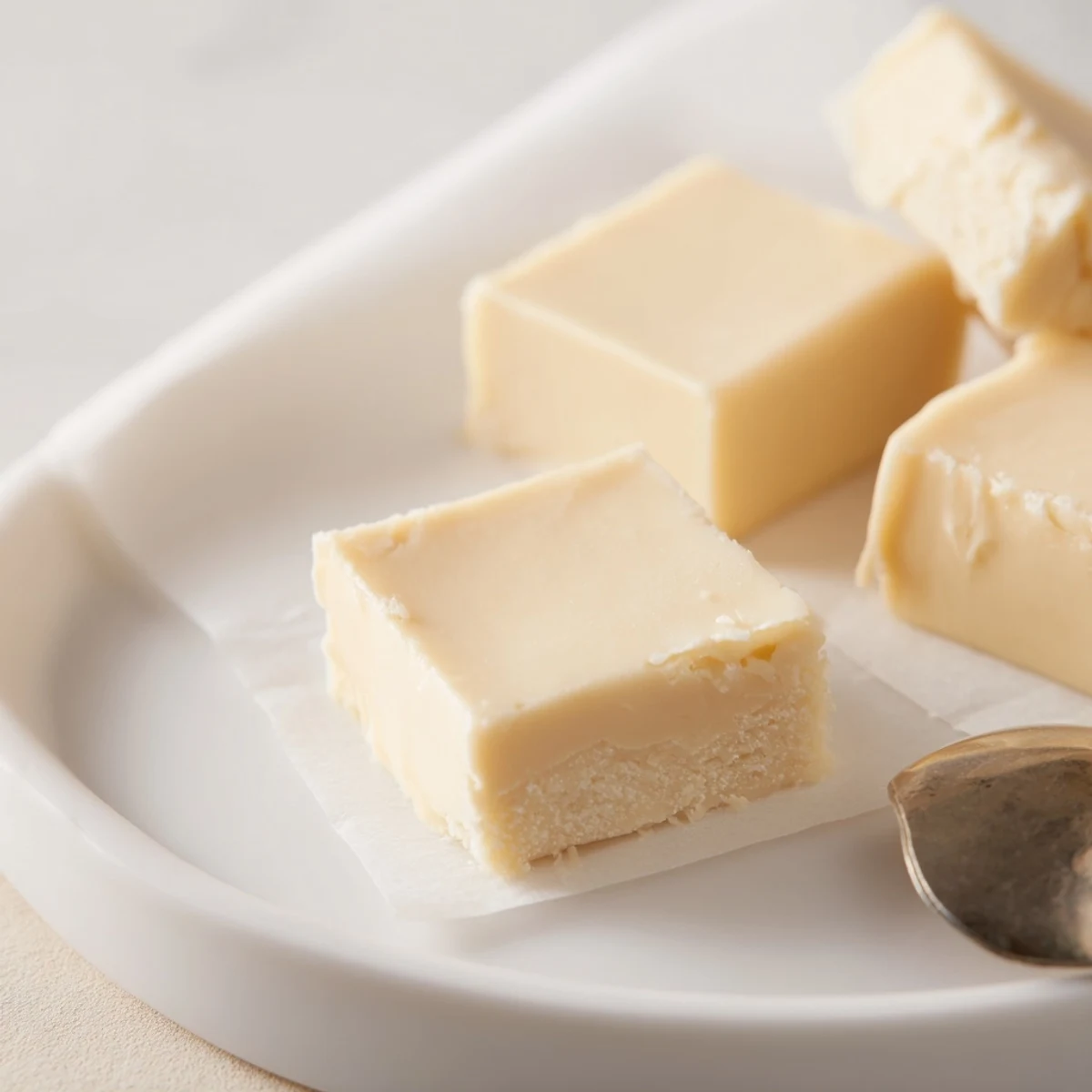
 Classic Kentucky cream candy combines granulated sugar, heavy cream, whole milk, butter and vanilla, heated to the soft‑ball stage (240°F). Cool to about 110°F, then beat vigorously until the mixture thickens, loses its gloss and becomes creamy. Pour, shape and cut into about 24 pieces. Avoid humid days; consider dipping in chocolate or folding in chopped pecans for texture.
My grandmother's kitchen in Bowling Green smelled like burnt sugar and second chances, and Kentucky Cream Candy was the reason why. She'd stand at the stove with a wooden spoon worn smooth from decades of stirring, watching that candy thermometer like it held the secrets of the universe. I thought she was being dramatic until I tried making this alone in my first apartment and ended up with a sticky, grainy mess that stuck to everything including my patience.
I brought a batch to a holiday potluck at work one December, fully expecting people to walk past the plain looking squares toward the decorated cookies. A coworker from Louisville stopped mid conversation, popped one in her mouth, and immediately called her mother to tell her someone finally got it right.
Ingredients
- 3 cups granulated sugar: The backbone of the candy, and plain white sugar works best here so skip anything fancy.
- 1 cup heavy cream: This is what gives the candy its luxurious melt in your mouth quality, so do not substitute with half and half.
- 1/2 cup whole milk: Balances the richness of the cream perfectly and keeps the texture from becoming too dense.
- 1 tablespoon unsalted butter: Adds a subtle roundness to the flavor and helps prevent sticking as the mixture cooks.
- 1/8 teaspoon salt: Just enough to keep the sweetness from becoming cloying, and you will notice the difference if you forget it.
- 1 teaspoon vanilla extract: Added off the heat to preserve its fragrant character, and use the real stuff if you can.
Instructions
- Prepare your surface:
- Line a 9x9 inch pan with parchment paper or butter a marble slab generously so the candy releases cleanly later.
- Combine and melt:
- In a heavy bottomed saucepan, stir the sugar, cream, milk, butter, and salt over medium heat until the butter melts completely and everything looks uniform.
- Cook to soft ball stage:
- Bring the mixture to a boil while stirring constantly, then reduce the heat and let it cook undisturbed until your candy thermometer reads 240 degrees Fahrenheit.
- Cool it down:
- Take the pan off the heat, pour in the vanilla without stirring it in, and walk away until the mixture drops to 110 degrees, which takes roughly 30 to 40 minutes of patience.
- Beat until creamy:
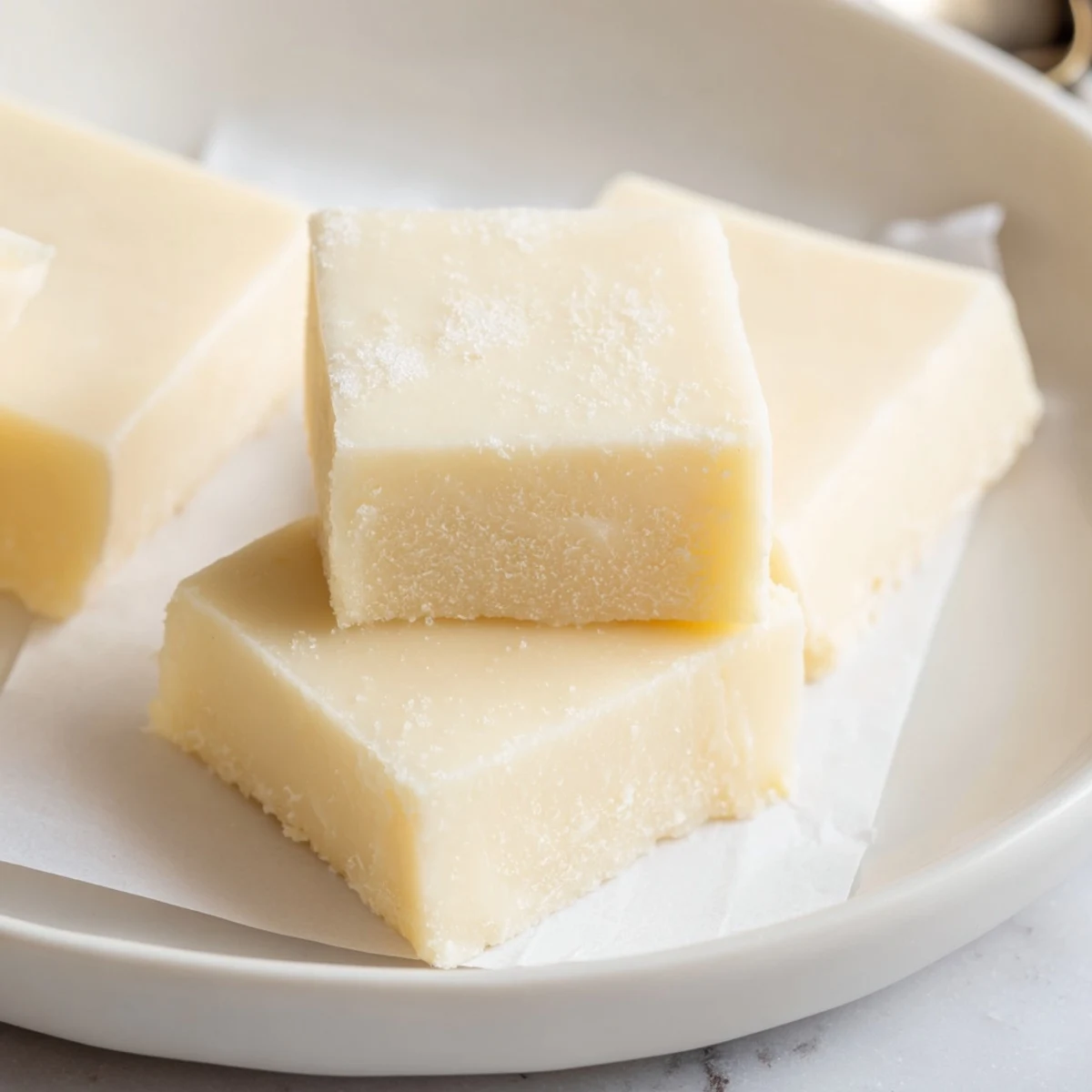
- Grab that wooden spoon and beat vigorously for about 8 to 10 minutes until the candy thickens dramatically, turns creamy, and loses its glossy sheen.
- Shape and set:
- Work quickly to pour or spoon the thickened candy onto your prepared surface, gently shape it into logs or squares, and let it rest for 20 to 30 minutes until firm.
 Save to Pinterest
 The first time I got the texture right, I called my grandmother long distance and held the phone up to the sound of me snapping a piece in half. She laughed and said that sound meant I had finally earned my candy thermometer.
Tools That Actually Matter
A heavy bottomed saucepan distributes heat evenly and saves you from scorched spots that ruin the whole batch. Your candy thermometer is nonnegotiable because guessing at soft ball stage with the cold water test is a gamble I lost three times before learning my lesson. A wooden spoon with a flat edge makes the beating step significantly easier than any modern utensil I have tried.
Fun Ways to Dress It Up
Once the candy is firm, you can dip each piece in melted dark chocolate and let it set on parchment for a confection that rivals anything from a fancy shop. Chopped pecans or walnuts folded in during the beating stage add a wonderful crunch that plays beautifully against the creamy base. I once rolled small balls of the candy in toasted coconut and my family acted like I had invented something entirely new.
Storing Your Candy
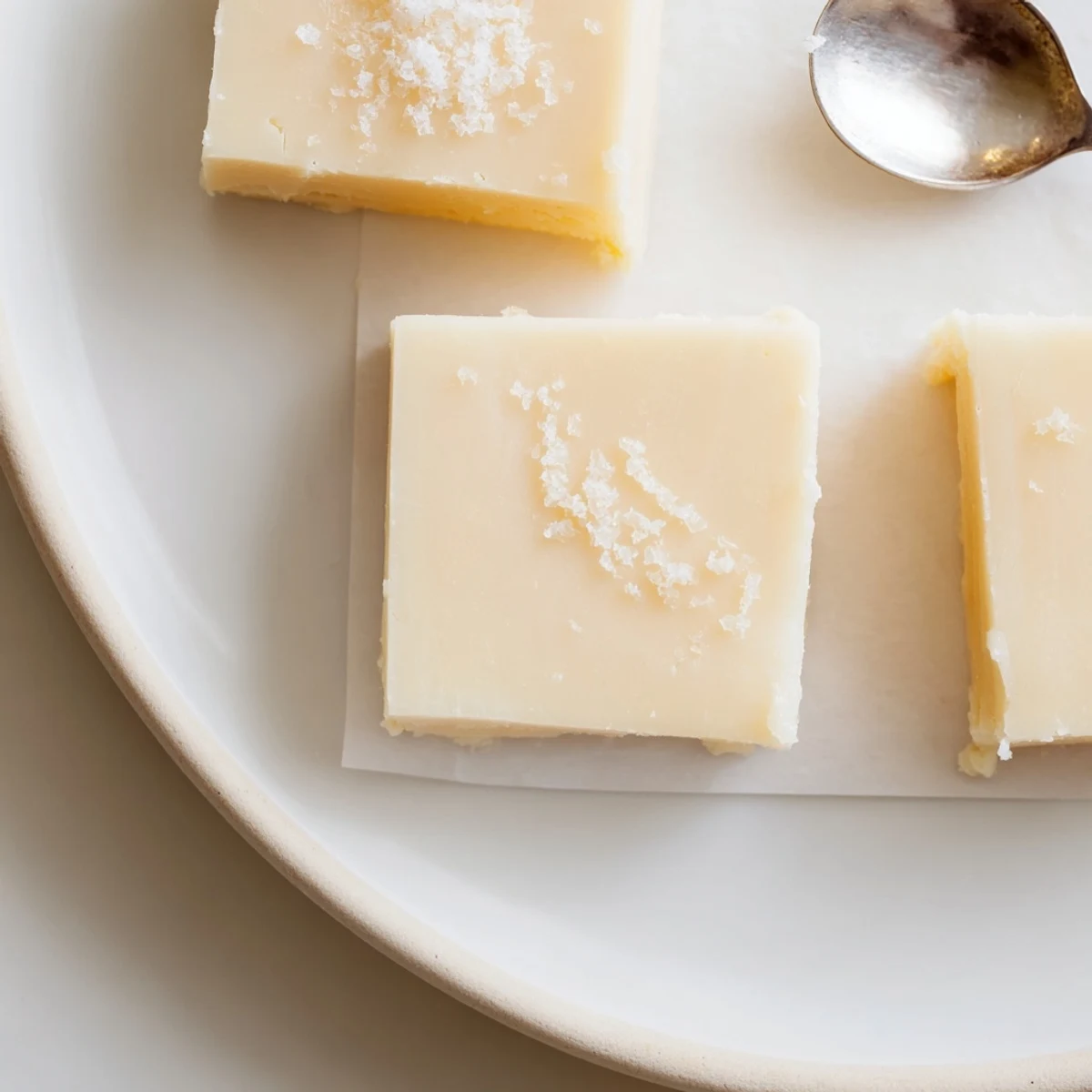
Keep the pieces in an airtight container at cool room temperature and they will stay perfect for about two weeks, though they rarely last that long in my house. Separate layers with parchment paper so they do not stick together and lose their neat shapes.
- Never refrigerate the candy because condensation will destroy the smooth texture you worked so hard to achieve.
- If gifting, tuck each piece into a small paper candy cup for a professional look that costs almost nothing.
- Always make sure the candy is fully set before wrapping or packaging to avoid a sticky situation.
 Save to Pinterest
 There is something deeply satisfying about making a candy that generations of Southern cooks have stirred by hand, and every batch connects you to that quiet tradition. Share it generously and watch people's faces light up with the first bite.
Recipe FAQ
- → How do I know when the mixture reaches the soft‑ball stage?
-
Use a candy thermometer and watch for 240°F. Alternatively, drop a bit into cold water: it should form a soft, pliable ball that flattens when removed.
- → Why must the candy cool to about 110°F before beating?
-
Cooling to 110°F allows the sugar structure to stabilize so beating can aerate and crystallize the mixture into a creamy, fudgy texture rather than a grainy one.
- → Can I substitute evaporated milk or half‑and‑half for the dairy?
-
Evaporated milk may yield a slightly different texture and sweetness; half‑and‑half is closer to whole milk and will keep the mixture rich. Adjust cream levels to preserve creaminess.
- → How should finished pieces be stored?
-
Store in an airtight container at room temperature. Place parchment between layers to prevent sticking; refrigeration can dry them out and alter texture.
- → What causes grainy candy and how can I prevent it?
-
Graininess often results from premature crystallization or stirring during the high-heat phase. Avoid stirring once at boil and ensure cooling and vigorous beating at the correct temperature.
- → Any tips for flavor or texture variations?
-
Fold in chopped pecans or walnuts after beating for crunch, or dip firm pieces in chocolate. For a deeper flavor, brown the butter slightly before adding, but cool it before combining with the hot sugar.