
 Save to Pinterest
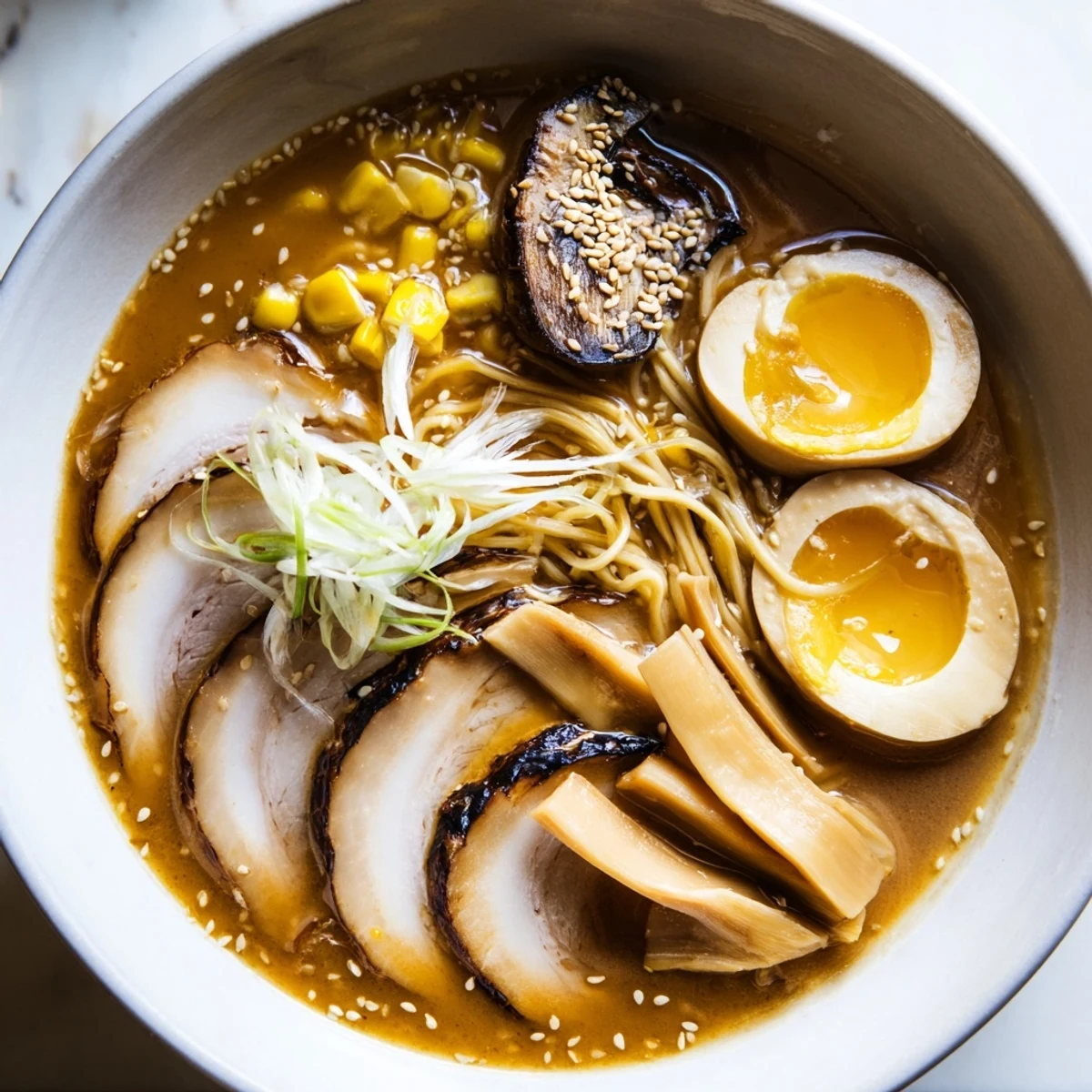
 This Japanese ramen brings together a deeply flavorful broth built from chicken or pork stock, soy sauce, miso paste, and aromatic ginger and garlic. Simmered for 20 minutes, the broth is strained to a clean, rich consistency that coats every strand of fresh ramen noodles.
Each bowl is assembled with care — tender sliced pork belly or chicken, jammy soft-boiled eggs, earthy shiitake mushrooms, crisp bamboo shoots, and a strip of nori for that unmistakable umami finish. Spring onions and toasted sesame seeds add freshness and crunch.
Ready in about 50 minutes from start to finish, this dish serves four and can easily be adapted for vegetarian diets by swapping the broth and protein. It's a comforting, satisfying meal perfect for chilly evenings or anytime you crave bold Japanese flavors.
There is something about the sound of slurping noodles that makes a kitchen feel alive, and ramen taught me that lesson on a rainy Tuesday when nothing else would do. I had a limp bundle of fresh noodles from the Asian market and a half used carton of chicken broth sitting in the fridge door, daring me to do something with them. What came together in under an hour was a bowl so deeply satisfying that I stood at the counter eating it straight from the pot, too impatient to sit down.
My neighbor Dave knocked on the door right as I was straining the broth, asking if I had any soy sauce he could borrow, and the smell hit him so hard he just stood in the doorway blinking. I handed him the soy sauce and a ladle, and we ate at my kitchen counter with steam fogging up the window above the sink.
Ingredients
- Chicken or pork broth (1.5 liters): Use a good quality broth because this is the backbone of everything, and a bland broth means a sad bowl no matter how many toppings you pile on.
- Soy sauce (2 tbsp): Adds salt and depth, and I prefer a darker soy for richer color but any will work in a pinch.
- Miso paste (1 tbsp): This is the secret weapon that makes the broth feel round and complex, so do not skip it.
- Sesame oil (2 tsp): Blooming the garlic and ginger in sesame oil creates an aromatic base that perfumes the entire kitchen.
- Garlic cloves, minced (2): Fresh is nonnegotiable here because the jarred stuff fades into the broth and disappears.
- Ginger, sliced (1 thumb sized piece): Slice it thick so you can fish it out later, and a little goes a long way.
- Mirin (1 tbsp): A touch of sweetness that balances the salty soy and savory miso perfectly.
- Fresh ramen noodles (400 g): Fresh noodles have a springy chew that dried noodles simply cannot match.
- Soft boiled eggs (2, halved): Cooked for exactly six minutes for a jammy center that oozes into the broth.
- Cooked pork belly or chicken breast, sliced (200 g): Pork belly is traditional and luxurious, but sliced chicken works beautifully when that is what you have.
- Shiitake mushrooms, sliced (100 g): They soak up the broth and add an earthy chew that makes every bite more interesting.
- Nori sheet (1, cut into strips): Tuck it against the side of the bowl so it stays crispy long enough for the photo.
- Spring onions, thinly sliced (2): A sharp fresh crunch that cuts through the richness of the broth.
- Bamboo shoots (100 g): Add a satisfying crunch and a subtle tang that balances the bowl.
- Corn kernels (to taste): Sweet little bursts that I started adding after seeing it in a Tokyo ramen shop photo online.
- Toasted sesame seeds (to garnish): Sprinkle generously because they add a nutty finish and make the bowl look finished.
Instructions
- Build the aromatic base:
- Heat sesame oil in a large pot over medium heat until it shimmers, then add the minced garlic and sliced ginger, stirring constantly until your kitchen smells like a ramen shop and the garlic just begins to turn golden.
- Simmer the broth:
- Pour in the broth, soy sauce, miso paste, and mirin, whisking until the miso dissolves completely, then let it simmer gently for twenty minutes so all the flavors marry and deepen before straining out the solids.
- Cook the noodles:
- Follow the package instructions for your fresh ramen noodles, drain them well, and keep them close because cold noodles will suck the heat right out of your broth.
- Prep the toppings:
- Soft boil your eggs for exactly six minutes, plunge them into ice water, peel and halve them, then slice your meat and vegetables so everything is ready to go the moment the broth is strained.
- Assemble the bowls:
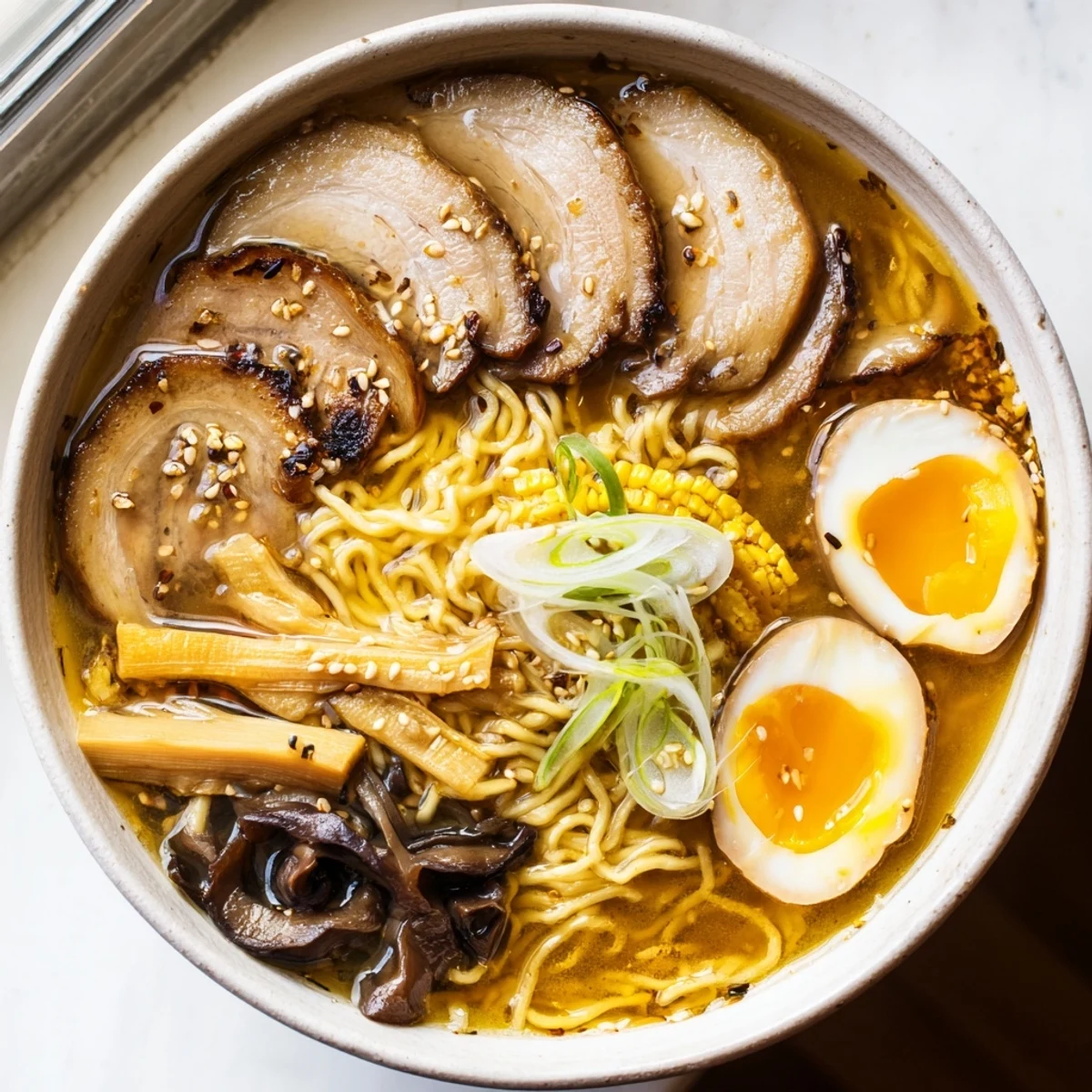
- Divide the drained noodles among four deep bowls, ladle the steaming hot broth over them, and arrange all your toppings with a little care so each bowl looks as beautiful as it tastes before finishing with a shower of sesame seeds.
 Save to Pinterest
 The first time I made this for my sister she picked up the bowl with both hands, drank the last of the broth, and said nothing for about ten seconds, which from her is the highest compliment possible.
Topping Swaps That Work
Spinach wilts beautifully into the hot broth if you want something green, and bean sprouts add a watery crunch that works surprisingly well. Tofu cut into cubes and pan fried until golden can replace the meat entirely for a vegetarian version that still feels substantial, and a drizzle of chili oil at the end transforms the whole bowl into something fiery and bold for cold nights.
What to Drink Alongside
A cold Japanese beer is the obvious pairing and honestly hard to beat, but a dry sake served chilled cuts through the richness of the pork belly and miso with elegance. If you are keeping it simple, sparkling water with a squeeze of lime refreshes the palate between slurps without competing with the broth.
Allergen and Dietary Notes
This recipe contains wheat, soy, egg, and sesame, so adjust accordingly if any of those are concerns, and always check your noodle and soy sauce labels for gluten if that matters to you.
- Gluten free ramen noodles made from rice flour are widely available now and work well with this broth.
- Tamari can replace soy sauce for a gluten free option without sacrificing flavor.
- Always verify ingredient labels because cross contamination sneaks into unexpected places.
 Save to Pinterest
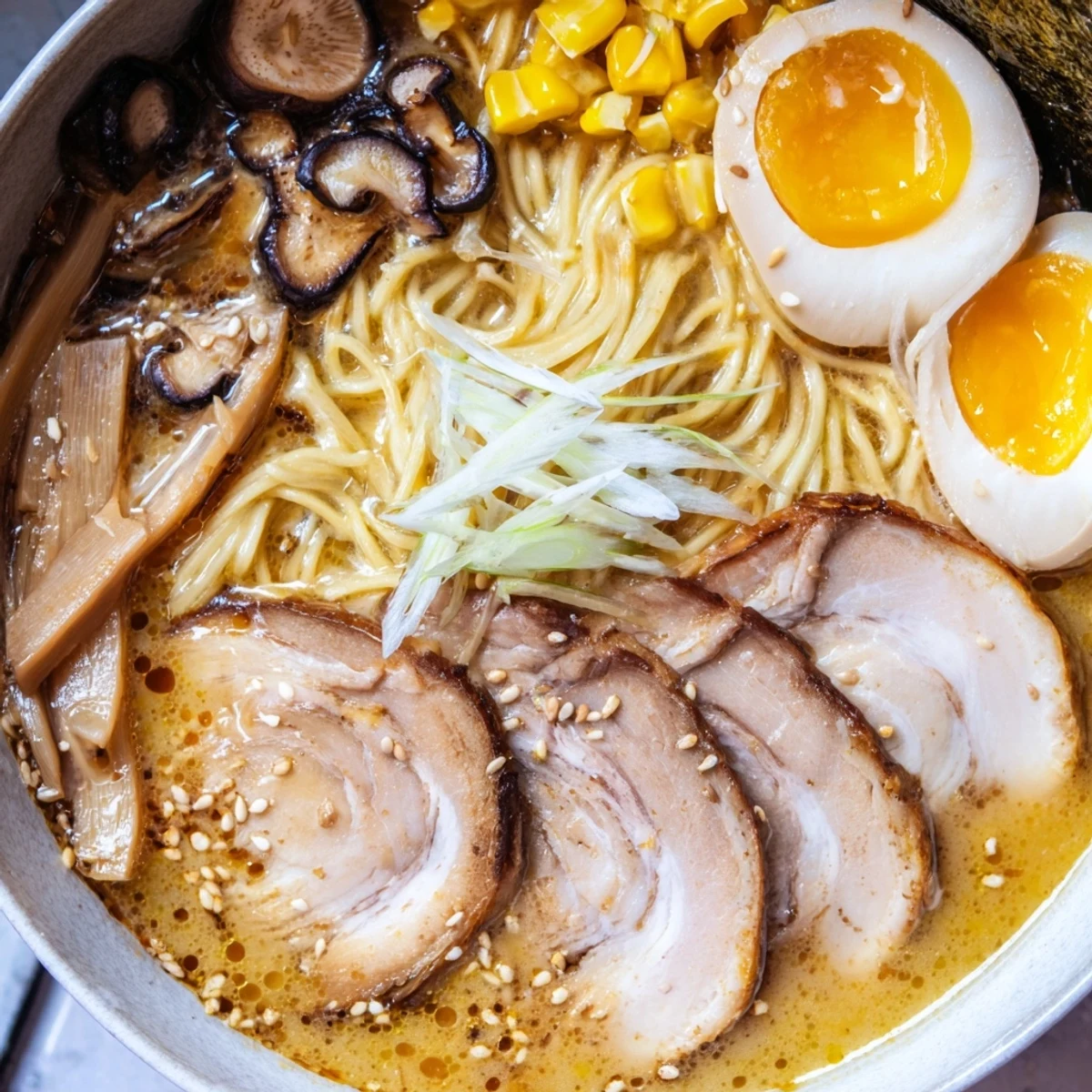
 Some meals are just fuel, but a bowl of homemade ramen is a small event that makes any ordinary evening feel like you treated yourself to something special. Ladle generously, slurp loudly, and do not be surprised when everyone asks for seconds.
Recipe FAQ
- → What type of broth works best for homemade ramen?
-
A rich chicken or pork broth serves as the ideal base. Combining it with soy sauce, miso paste, and mirin creates layers of umami flavor. Simmering garlic and ginger in sesame oil before adding the broth deepens the aromatic profile significantly.
- → How do I achieve the perfect soft-boiled egg for ramen?
-
Gently boil the eggs for exactly 6 minutes, then immediately transfer them to an ice bath to stop the cooking. This yields a set white with a rich, jammy yolk that pairs beautifully with the hot broth. Peel carefully and halve just before serving.
- → Can I make ramen ahead of time for meal prep?
-
Yes, the broth can be prepared a day or two in advance and stored in the refrigerator — it often tastes better as the flavors meld. Store cooked noodles separately and reassemble with fresh toppings when ready to serve for the best texture.
- → What are the best substitutions for pork belly in ramen?
-
Sliced chicken breast works well as a lighter alternative. For a vegetarian version, firm tofu pressed and pan-fried until golden makes an excellent protein. Sliced braised mushrooms or tempeh can also provide satisfying texture and absorb the broth's flavors nicely.
- → How can I make vegetarian or vegan ramen?
-
Replace the chicken or pork broth with a robust vegetable broth and add extra miso paste for depth. Omit the meat and use tofu or extra mushrooms instead. Swap the soft-boiled egg for marinated tofu slices and ensure your noodles are egg-free for a fully vegan version.
- → What toppings pair well with ramen beyond the basics?
-
Fresh spinach, bean sprouts, corn kernels, and sliced jalapeños are popular additions. A drizzle of chili oil or rayu adds heat, while pickled ginger offers brightness. Crushed peanuts, fried garlic chips, or a dollop of chili paste can also elevate each bowl.