
 Save to Pinterest
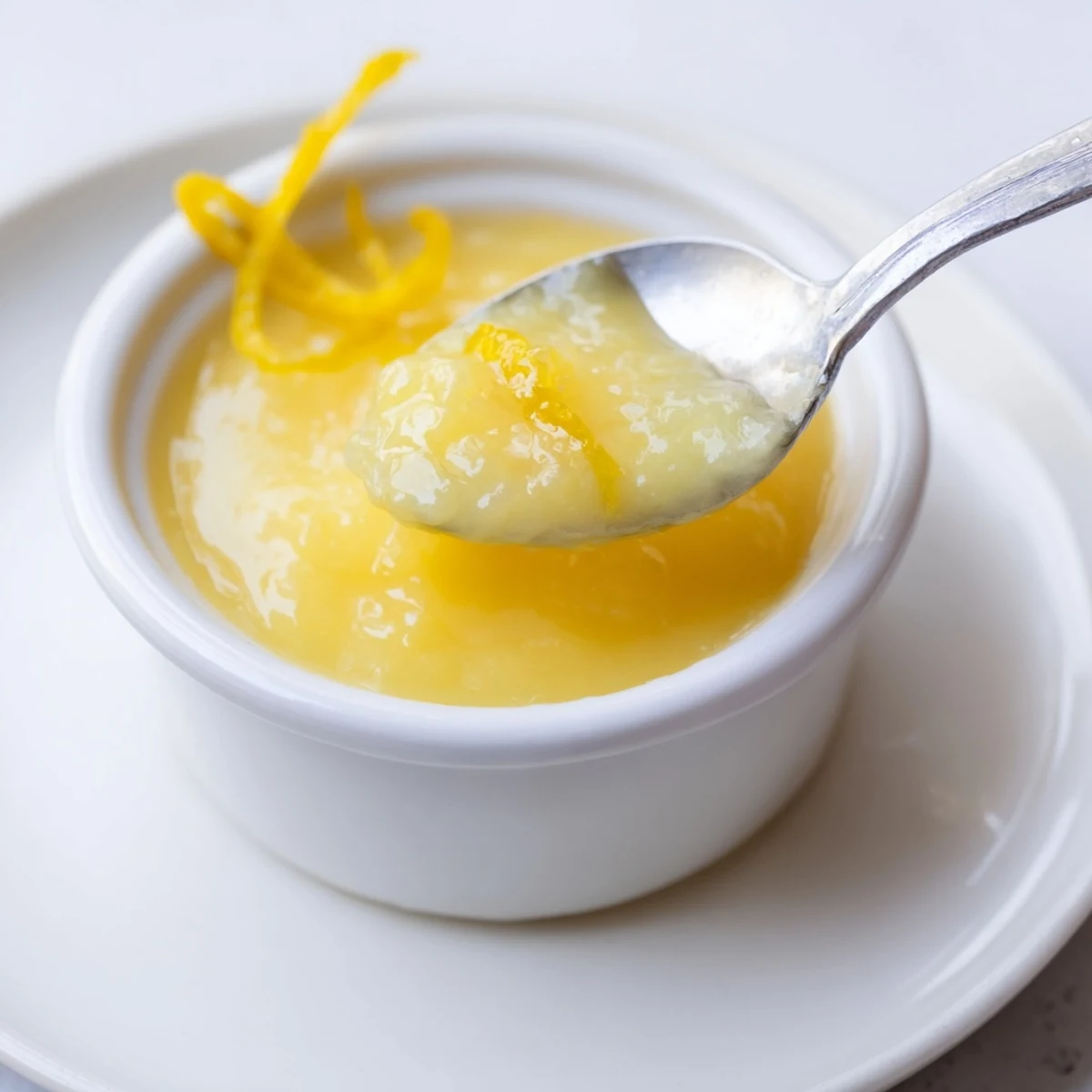
 This silky, tangy lemon curd blends freshly zested and juiced lemons with butter, eggs and sugar, thickened gently over a double boiler until it coats the back of a spoon. Strain for a smooth finish, cool under plastic to prevent a skin, then chill for at least two hours. Use as a spread, tart filling or layered into desserts; stores refrigerated up to two weeks.
The smell of lemon zest hitting a hot bowl is one of those small kitchen miracles that makes you stop whatever you are doing and just breathe. My friend Sarah once walked into my apartment while I was making curd and declared the place smelled like a fancy tearoom in London. She was not wrong, and we ended up eating half the batch warm with spoons straight from the bowl before it ever saw a scone.
I started making lemon curd years ago when I got tired of the cloyingly sweet jars at the grocery store that tasted more like sugar than actual lemons. One rainy Saturday afternoon I decided to try making it myself and ended up standing over the stove whisking for what felt like forever, only to realize I had been peeking at the thickness every thirty seconds.
Ingredients
- 3 large lemons (zest finely grated and juiced, about 120 ml juice): Fresh is non negotiable here, bottled juice will taste flat and lifeless.
- 115 g unsalted butter (cubed): Cold cubed butter melts gradually into the mixture and helps prevent scrambling.
- 3 large eggs plus 1 large egg yolk: The extra yolk is what gives the curd its velvety richness and golden hue.
- 200 g granulated sugar: This balances the sharpness of the lemons without muting their brightness.
Instructions
- Whisk the base together:
- In a medium heatproof bowl, whisk the eggs, egg yolk, sugar, lemon zest, and lemon juice until completely blended. You want everything married together before any heat touches the bowl.
- Set up your double boiler:
- Place the bowl over a saucepan of gently simmering water, making sure the bottom of the bowl never touches the water surface. This gentle heat is your best defense against scrambled egg curd.
- Cook and stir patiently:
- Add the cubed butter and whisk constantly for about 10 to 15 minutes until the mixture thickens and coats the back of a spoon. Run your finger through the coating and if it leaves a clean line, you are done.
- Strain for silkiness:
- Remove from heat and pour the curd through a fine mesh sieve into a clean bowl, pressing it through with a spatula. This catches any tiny bits of cooked egg or zest clumps.
- Cool and chill:
- Press plastic wrap directly onto the surface of the curd to prevent a skin from forming, then refrigerate for at least 2 hours. The texture transforms into something magical once it is properly chilled.
 Save to Pinterest
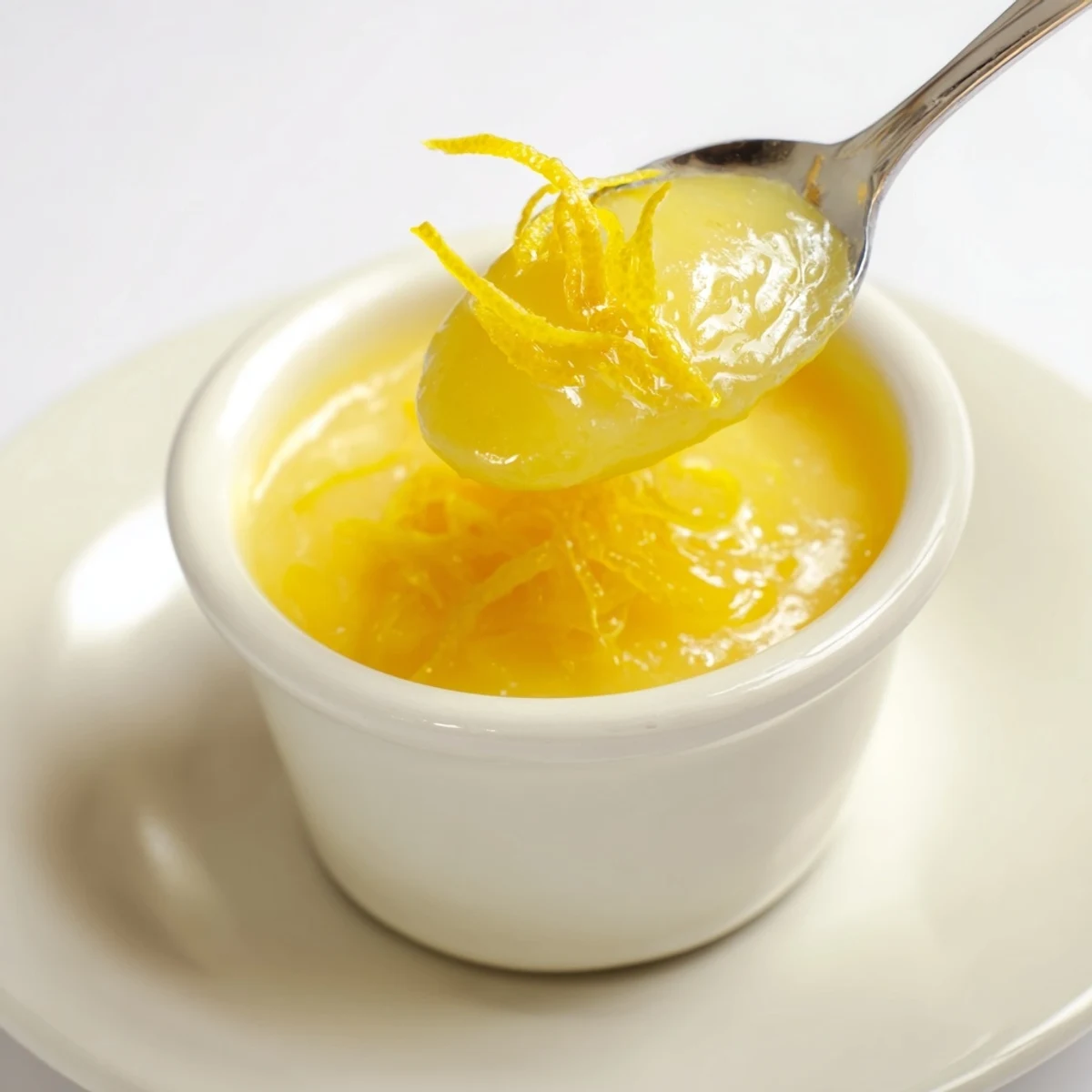
 There is something deeply satisfying about spooning homemade curd into a clean jar and seeing that brilliant yellow color catch the light. It makes a lovely gift, and people always assume it took far more effort than it actually did.
How to Store Your Curd
Keep your lemon curd in an airtight container or sealed jar in the refrigerator and it will stay fresh for up to two weeks. I have never actually had a batch last that long because it disappears into toast, yogurt, and late night spoonfuls standing in front of the open fridge door.
Delicious Ways to Use It
Beyond the obvious scone pairing, try swirling lemon curd into plain Greek yogurt for a quick breakfast that feels indulgent. It also makes a stunning tart filling poured into a prebaked shell and topped with fresh berries, or layered between cake rounds for a bright surprise when you cut into the dessert.
Getting the Best Results Every Time
A few small habits make a big difference with this recipe, and once you nail them you will never go back to store bought.
- Always zest your lemons before juicing them because a squeezed lemon is nearly impossible to zest properly.
- Taste your lemons before starting since their acidity varies wildly and you might want a touch more sugar.
- Remember that the curd will thicken further as it chills, so do not overcook it on the stove.
 Save to Pinterest
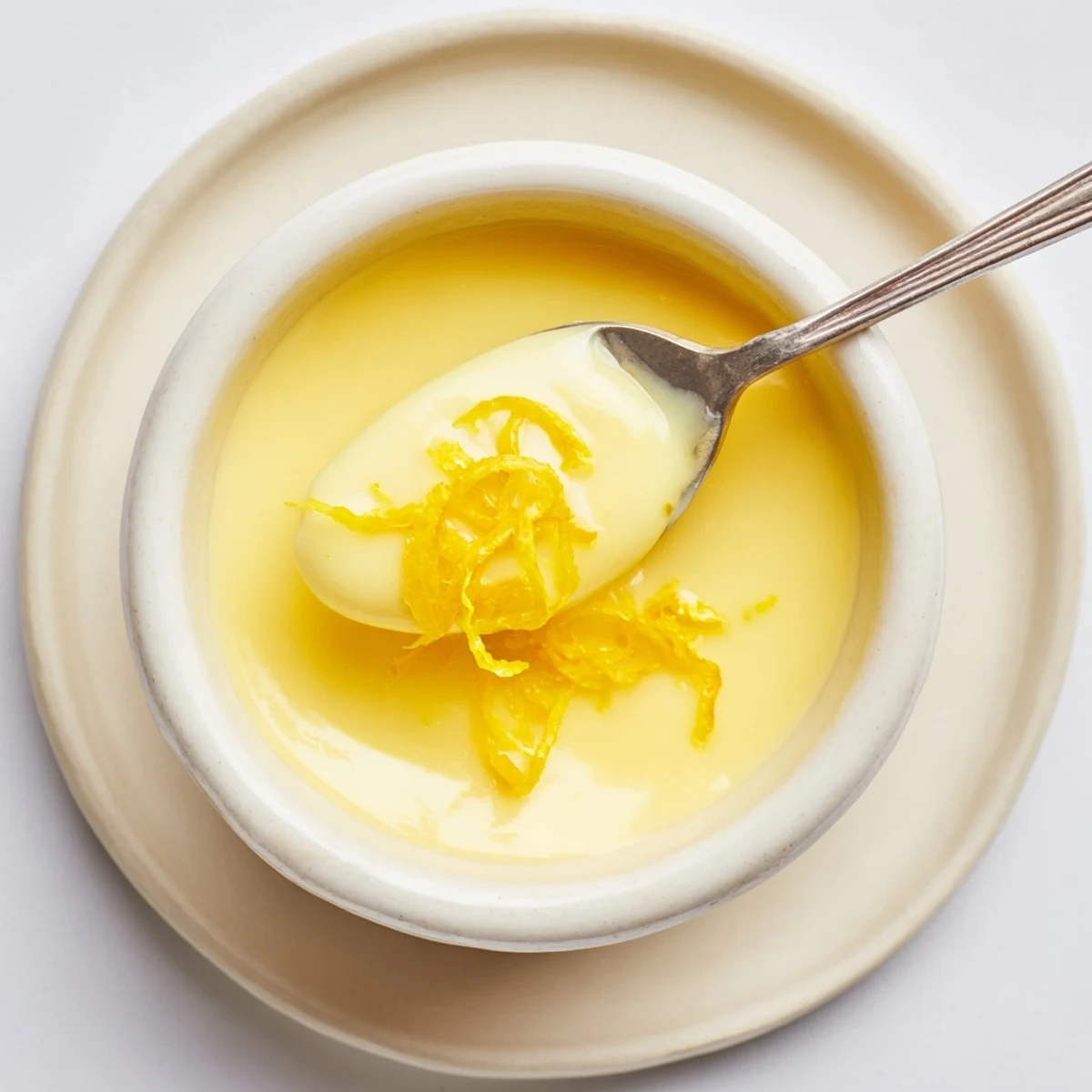
 Once you have homemade lemon curd in your refrigerator you will find yourself looking for excuses to use it in everything. It is one of those small kitchen victories that makes everyday moments feel a little more special.
Recipe FAQ
- → How long does it keep in the fridge?
-
Stored airtight in the refrigerator, lemon curd keeps up to two weeks. For longer storage, freeze in small portions and thaw overnight in the fridge before using.
- → How do I prevent the mixture from curdling?
-
Cook gently over a double boiler and whisk constantly to distribute heat. Remove as soon as the mixture thickens and coats the back of a spoon; straining will catch any cooked bits for a smooth finish.
- → Can I use only egg yolks?
-
Yes. Using only yolks yields a richer, silkier curd with a deeper color, though it will be denser and yield slightly less volume than using whole eggs.
- → What if the curd is too thin after cooking?
-
Return it to gentle heat and whisk until it thickens further, or continue cooking over the double boiler a few extra minutes. Chilling for a couple of hours will also help it set more firmly.
- → Can I substitute the butter?
-
Unsalted butter provides a smooth mouthfeel and helps the curd set. For dairy-free needs, try a neutral plant-based spread, but expect slight changes in texture and flavor.
- → Do jars need sterilizing?
-
Sterilize jars if you plan extended storage: boil jars and lids or heat them in a low oven. For short-term refrigerated use, clean jars and lids thoroughly before filling.