
 Save to Pinterest
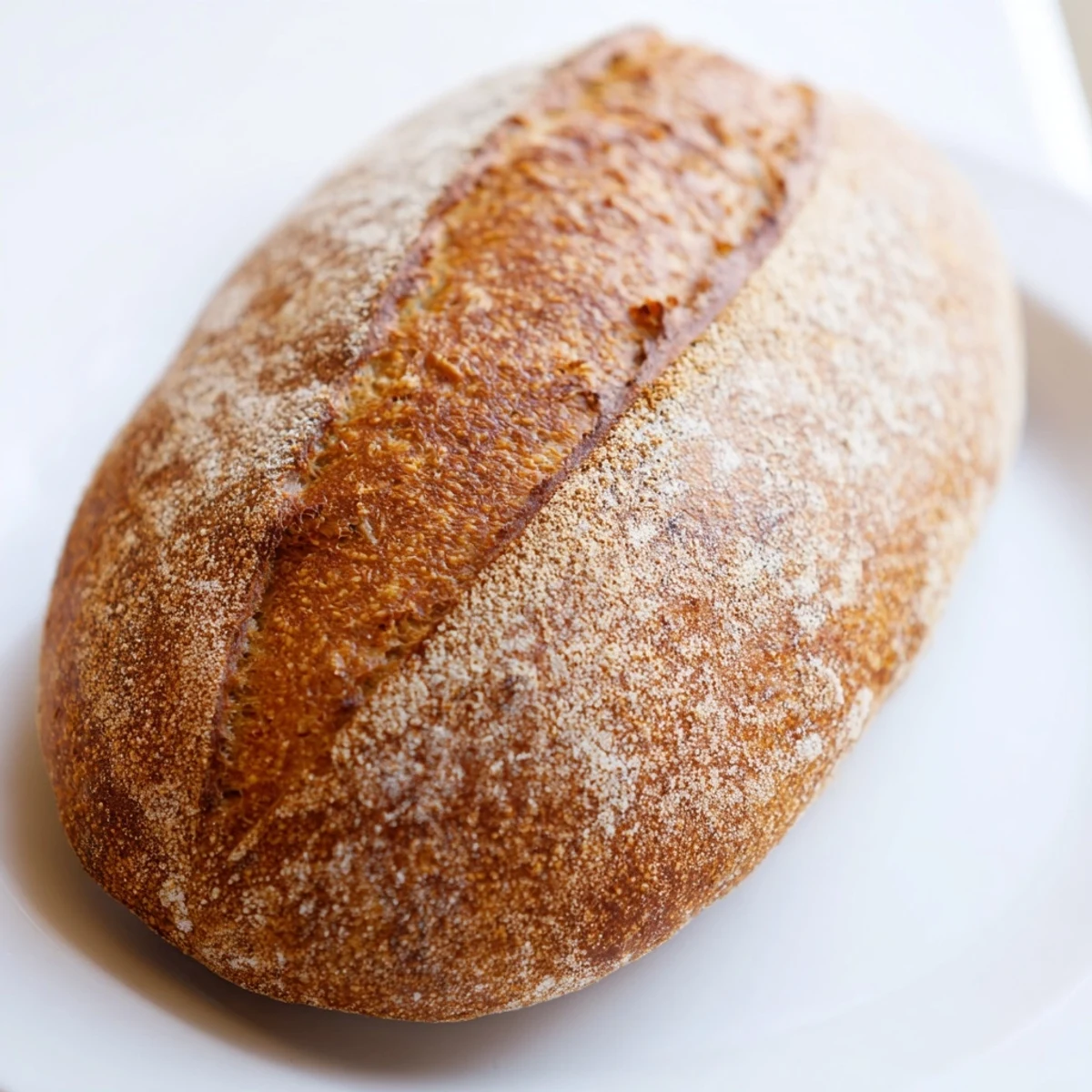
 This artisan Italian loaf delivers everything you love about traditional European bread: a crackling golden crust protecting a tender, chewy interior with those signature air pockets. The dough comes together with basic pantry staples—bread flour, yeast, olive oil, and salt—then transforms through two rising periods into something extraordinary.
The steam-baking technique creates that coveted bakery-style crust, while the long fermentation develops deep, complex flavor. Slice it thick for panini, tear chunks for mopping up pasta sauces, or simply drizzle with extra virgin olive oil and flaky salt. This versatile loaf stays fresh for days and freezes beautifully, making it perfect for weekend baking ahead.
The smell of yeast blooming in warm water still reminds me of my first apartment, where I learned that bread making is mostly patience and a little bit of courage. My first loaf was dense enough to use as a doorstop, but something about that golden crust kept me trying. Now this recipe is the one I turn to when I want bread that actually works every single time.
Last winter my neighbor knocked on my door because she could smell fresh bread from the hallway. We ended up sharing the still warm loaf with olive oil and talking for hours about our grandmothers cooking. That is the kind of food memory I want everyone to have.
Ingredients
- Bread flour: Higher protein content than all purpose gives you that satisfying chewy interior
- Active dry yeast: Make sure your water is warm like bath water, not hot, or you will kill the yeast
- Salt: Do not forget this, it controls the fermentation and keeps the bread from tasting flat
- Sugar: Just enough to feed the yeast and help with that golden brown color
- Olive oil: Keeps the dough tender and adds subtle richness
- Cornmeal: Prevents sticking and adds a nice crunch to the bottom crust
Instructions
- Wake up the yeast:
- Stir together the yeast and sugar in warm water until dissolved, then wait 5 to 10 minutes until you see a foamy layer on top.
- Mix the dough:
- Combine flour and salt in a large bowl, make a well in the center, and pour in the yeast mixture and olive oil.
- Knead it out:
- Turn the shaggy dough onto a floured surface and knead for 8 to 10 minutes until it feels smooth and bounces back when you poke it.
- First rise:
- Place dough in an oiled bowl, cover with a damp towel, and let it double in size in a warm spot.
- Shape and rise again:
- Punch down gently, form into a tight oval or round, and let rise on a prepared baking sheet for another 45 minutes.
- Get ready to bake:
- Preheat your oven to 425°F with an empty metal pan on the bottom rack.
- Score and steam:
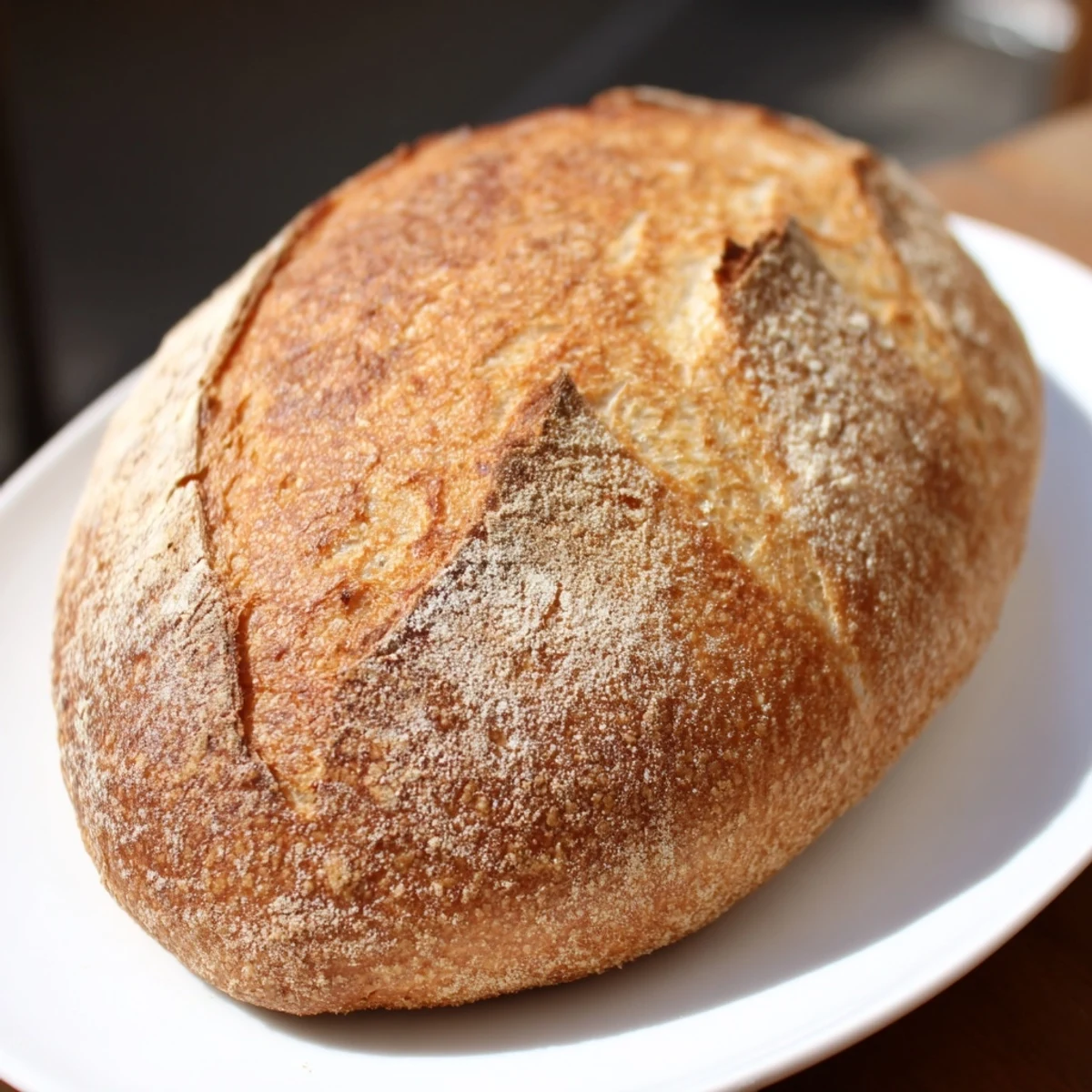
- Slash the top of your loaf with a sharp knife and pour hot water into the empty pan to create steam.
- Bake to perfection:
- Bake for 30 to 35 minutes until deeply golden and the bottom sounds hollow when tapped.
- Cool completely:
- Let the bread rest on a wire rack, because slicing while warm will ruin the texture.
 Save to Pinterest
 My sister in law requests this every time she visits, and honestly I do not mind because it makes the whole house smell amazing.
Getting That Perfect Rise
Find the warmest spot in your kitchen, usually near a window with sunlight or on top of a preheating oven. Drafts are the enemy here.
Scoring Like A Pro
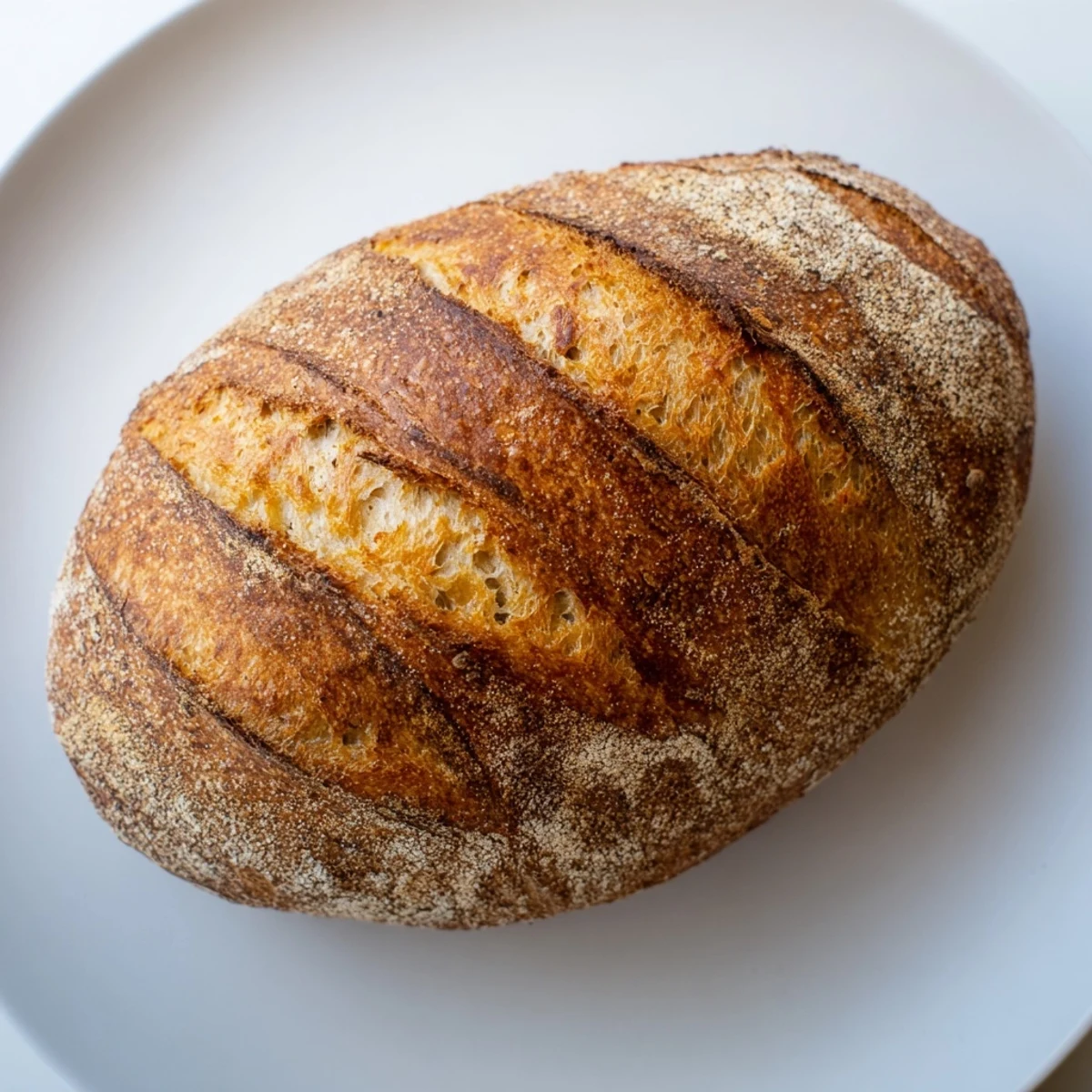
Use your sharpest knife and make confident quick cuts about half an inch deep. This lets the bread expand beautifully instead of bursting randomly.
Make It Your Own
Fold in dried rosemary or thyme during the kneading step for an herbed version that transforms simple soup nights into something special.
- Try adding chopped sun dried tomatoes for a Mediterranean twist
- Swap some flour for whole wheat for more depth and nutrition
- Brush the crust with garlic butter right after baking for an irresistible finish
 Save to Pinterest
 There is nothing quite like tearing into a homemade loaf still warm from the oven. Happy baking.
Recipe FAQ
- → What makes Italian bread different from regular white bread?
-
Italian bread typically features a crisp, crackly crust with a chewy, airy interior. The dough contains olive oil for richness and uses higher hydration than standard sandwich bread. The steam-baking method creates that signature golden crust with professional bakery characteristics.
- → Why is steam used when baking this loaf?
-
Steam keeps the oven environment moist during the first crucial minutes of baking, allowing the dough to expand fully before the crust sets. This creates maximum oven spring, a thinner crisper crust, and those desirable air pockets throughout the crumb. The water pan creates this steam effect perfectly.
- → Can I use all-purpose flour instead of bread flour?
-
Bread flour works best due to its higher protein content (12-14%), which provides structure and chewiness. All-purpose flour (10-11% protein) will produce a slightly softer loaf with less chew. If substituting, expect a more tender crumb and reduced volume. For closest results, use high-gluten or Italian 00 flour.
- → How do I know when the dough has risen enough?
-
After the first rise, the dough should double in size and leave an indentation when gently pressed with a floured finger. For the second rise, look for visible growth (about 50% larger) and a puffy appearance. The dough should feel light and airy, not dense or heavy. Over-risen dough may collapse during baking.
- → Why score the top before baking?
-
Scoring creates intentional weak points that allow the dough to expand during baking without tearing unpredictably. Those attractive slashes control where the crust bursts, giving the loaf its classic appearance while ensuring even baking. Use a sharp knife or lame at a 45-degree angle for clean cuts.
- → How should I store this bread for maximum freshness?
-
Store at room temperature wrapped in a cloth or paper bag for 2-3 days—plastic will make the crust soft. For longer storage, slice and freeze in airtight bags for up to 3 months. To refresh, sprinkle with water and warm in a 350°F oven for 5-10 minutes to restore the crispy crust.