
 Save to Pinterest
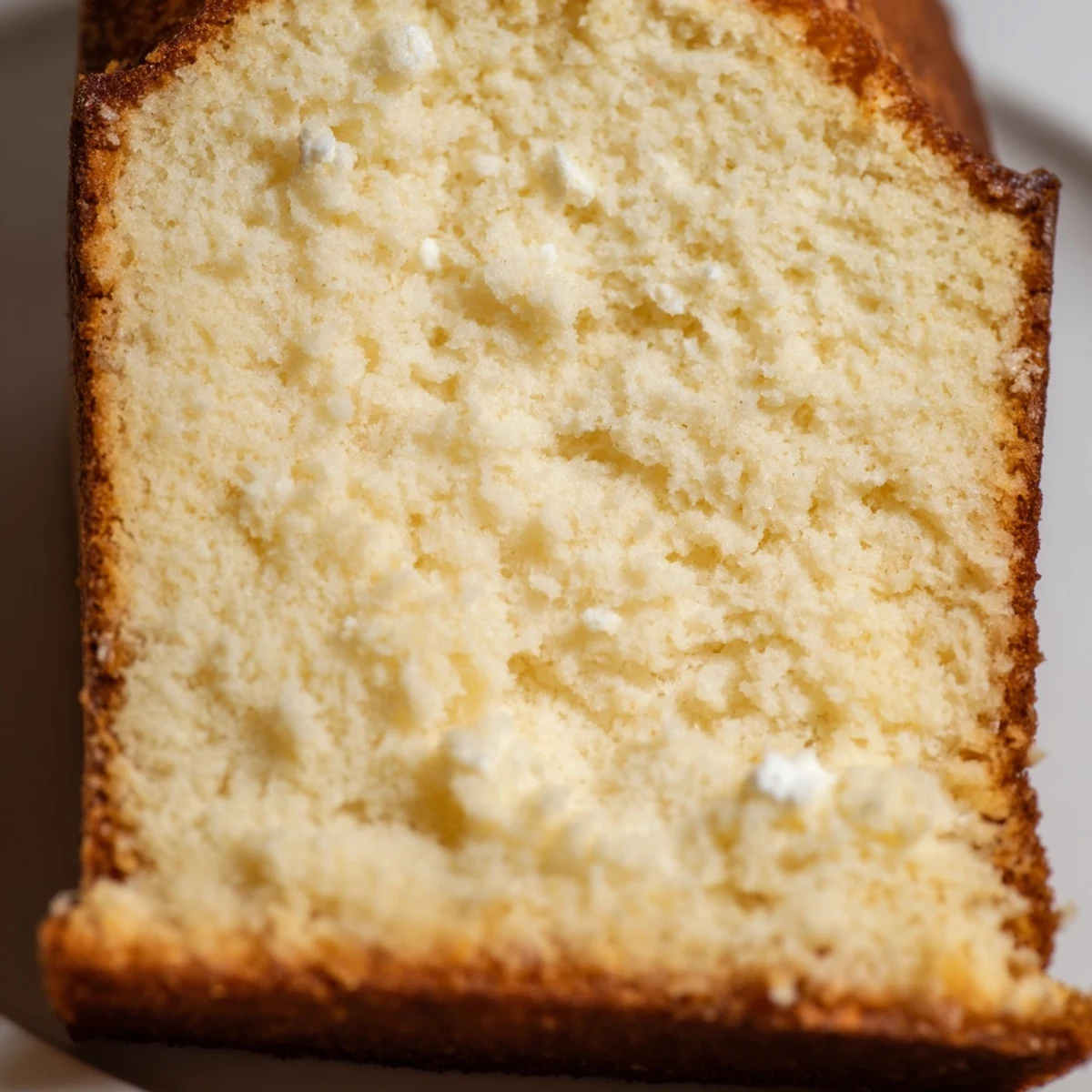
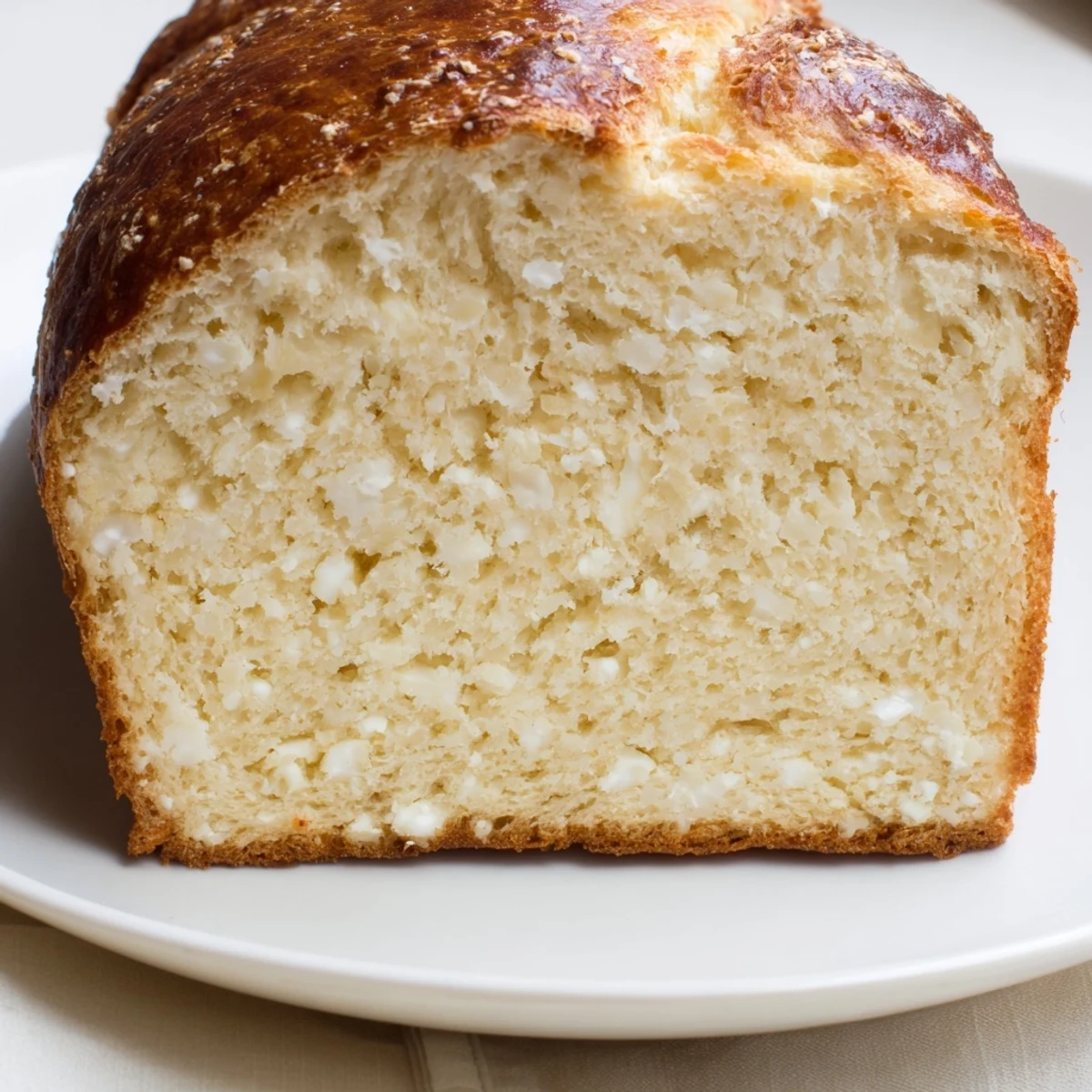
 This wholesome loaf combines the creamy richness of cottage cheese with traditional bread-making techniques. The result is a tender, protein-packed bread with a soft interior and golden crust. After mixing simple pantry staples with room temperature cottage cheese, warm milk, melted butter and egg, you'll knead the dough until smooth and elastic. Two rising periods create excellent texture and height. The finished loaf delivers 6 grams of protein per slice, making it more nutritious than standard white bread.
Enjoy slices toasted with butter, use for sandwiches, or serve alongside soups and salads. The subtle flavor pairs beautifully with both sweet and savory toppings.
My grandmother never baked with cottage cheese, but I discovered its magic by accident one rainy Sunday when I was out of regular yogurt and desperate for something baked and warm. The result was this surprisingly tender loaf that's become my go-to comfort bread.
My daughter helped me knead this dough for the first time last weekend, her tiny hands covered in flour, laughing when the dough stuck to her fingers. That's when I realized this recipe is perfect for making memories.
Ingredients
- All-purpose flour: The backbone of your bread, but don't be afraid to touch the dough and adjust flour as needed since cottage cheese adds moisture
- Cottage cheese: Use full-fat for the richest texture, and bring it to room temperature so it incorporates smoothly
- Yeast: Active dry yeast needs to be fresh, and warm liquids should feel like bathwater to activate it
- Sugar: Just a touch helps the yeast and gives the crust a subtle golden finish
- Melted butter: Adds richness, but you could swap for olive oil if you prefer
Instructions
- Mix the foundation:
- Combine your flour, sugar, salt, and yeast in a large bowl, giving it a gentle whisk to distribute everything evenly
- Blend the wet mixture:
- Whisk cottage cheese, warm milk, melted butter, and egg in another bowl until the cottage cheese lumps mostly dissolve
- Bring it together:
- Pour the wet into the dry, stirring with a wooden spoon or dough hook until it becomes a shaggy, sticky mass
- Knead with confidence:
- Turn onto a floured surface and knead for about 8 minutes until smooth, sprinkling more flour only if it's unbearably sticky
- Let it rise:
- Place the dough in an oiled bowl, cover with plastic wrap, and walk away for an hour until it doubles in size
- Shape the loaf:
- Bake it to golden:
- Punch the dough down gently, shape into a rectangle and place in a greased loaf pan. Cover and let rise again for 30 minutes. Bake for 35 minutes
 Save to Pinterest
 This bread made its way to our Thanksgiving table last year, toasted and served alongside pumpkin butter. Three people asked for the recipe before they'd even finished their first slice.
Fresh Herb Variations
Chives, rosemary, or thyme folded into the dough can transform this into something special. Don't be shy with the herbs; they complement the slight tang from the cottage cheese.
Flour Substitutions
Swapping half the all-purpose flour for whole wheat adds nuttiness but requires a splash more liquid. Consider watching the hydration closely.
Serving Suggestions
This bread shines toasted, which transforms its texture into something truly special.
- Spread with salted butter and honey
- Try with cream cheese and sliced radishes for breakfast
- Use for sturdy sandwiches that hold up to hearty fillings
 Save to Pinterest
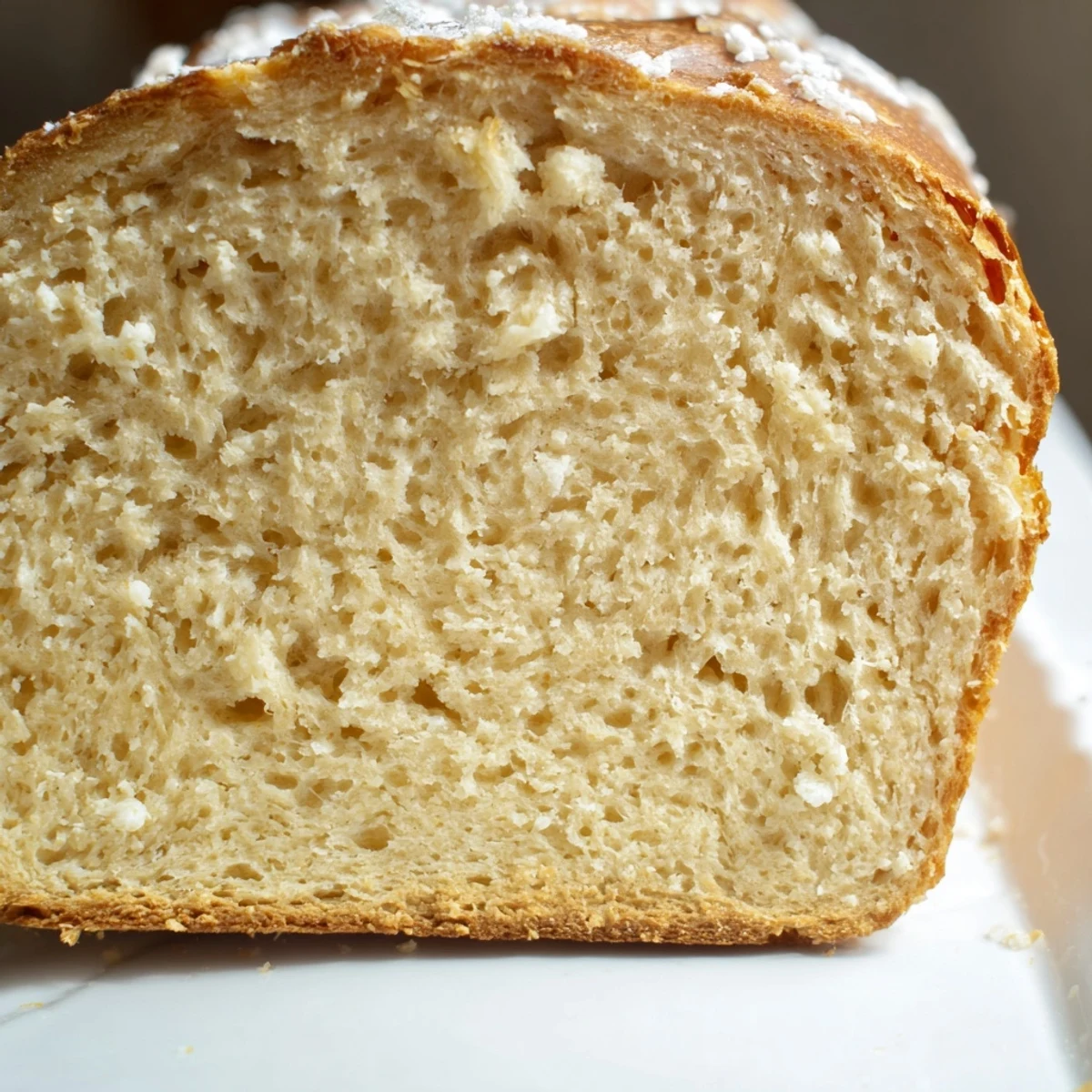
 Toast a slice, spread with butter, and you'll understand why this recipe stays in my regular rotation.
Recipe FAQ
- → Why use cottage cheese in bread?
-
Cottage cheese adds moisture, tenderness, and protein to the dough. The curds create a softer crumb texture while contributing 6 grams of protein per slice. It also helps the bread stay fresh longer.
- → Can I use low-fat cottage cheese?
-
Yes, low-fat or fat-free cottage cheese works well in this recipe. The bread may be slightly less tender but still delicious. Full-fat cottage cheese produces the softest texture.
- → How should I store this loaf?
-
Store tightly wrapped at room temperature for up to 3 days. For longer storage, freeze sliced bread in freezer bags for up to 3 months. Thaw individual slices as needed.
- → Can I add herbs or other flavors?
-
Absolutely! Fresh chives, dill, rosemary, or garlic powder mix beautifully into the dough. You can also add shredded cheese or sun-dried tomatoes for a savory variation.
- → Why is the dough sticky?
-
The cottage cheese creates a moister dough than traditional bread recipes. Resist adding too much flour—a slightly sticky dough yields the most tender loaf. Use flour only when kneading to prevent sticking.
- → Can I make this dairy-free?
-
You can substitute dairy-free cottage cheese and milk alternatives, though texture may vary. Use a plant-based butter substitute for brushing. The rising time and baking temperature remain the same.