
 Save to Pinterest
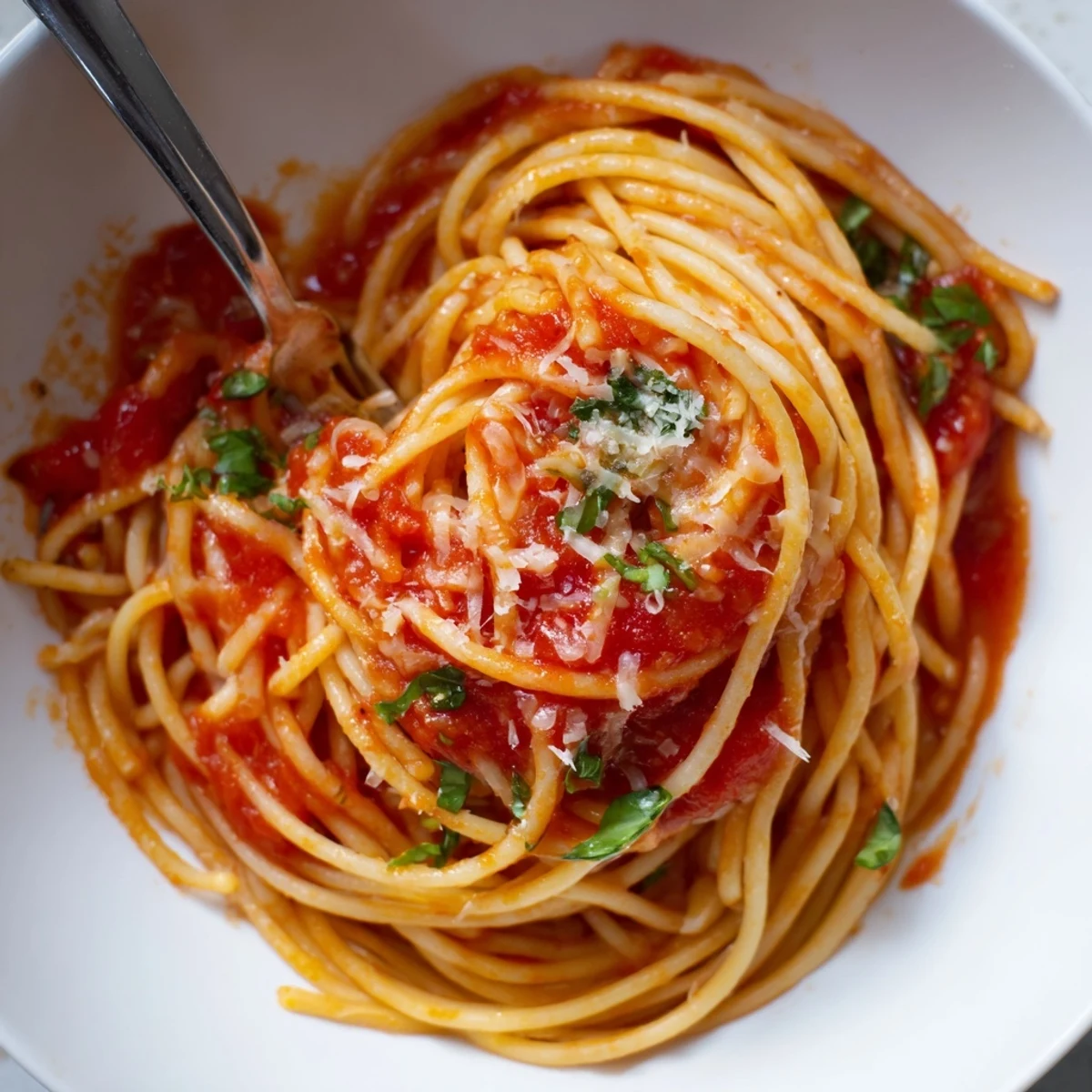
 This classic Italian pasta pairs al dente noodles with a bright tomato and basil sauce. Salt the boiling water and cook pasta until just firm, reserving some cooking water. Sauté garlic and onion, add crushed tomatoes, a pinch of sugar and oregano, then simmer to concentrate flavor. Toss pasta with sauce, stir in torn basil and grated Parmesan, and finish with a drizzle of olive oil before serving.
My grandmother used to say that a good tomato sauce could solve almost any problem, and honestly, she was right about that and most things in life. There is something almost meditative about standing over a simmering pot of crushed tomatoes, watching the steam curl up toward the kitchen window on a Tuesday evening when the world outside feels a little too loud. This is the kind of meal that pulls everyone to the table without any announcement needed.
One rainy autumn evening my niece sat on the kitchen counter and declared that she would only eat pasta if it had the green leaves in it, meaning the basil, and that small demand turned into a ritual of tearing basil together before every pasta night. She still asks for extra green leaves every single time.
Ingredients
- Dried pasta (400 g): Spaghetti is classic but penne holds the sauce in its ridges beautifully, and honestly any shape you love will work just fine here.
- Salt for boiling water: The water should taste like the sea because this is your one chance to season the pasta from within.
- Olive oil (2 tbsp for sauce, 1 tbsp for finishing): A decent olive oil makes a noticeable difference so use the good stuff if you have it.
- Garlic (3 cloves, minced): Fresh garlic only, and mince it finer than you think you need to because nobody wants a surprise chunk of raw garlic.
- Onion (1, finely chopped): A yellow onion gives sweetness while a red one adds a slight sharpness, and both work wonderfully.
- Canned crushed tomatoes (800 g): San Marzano tomatoes are worth seeking out because their natural sweetness and low acidity make the sauce taste richer with less effort.
- Sugar (1 tsp): This tiny amount balances the acidity of the tomatoes and is a trick every Italian nonna would quietly approve of.
- Dried oregano (1 tsp): Rub it between your palms before adding to release the essential oils and wake up the flavor.
- Red pepper flakes (1/2 tsp, optional): Add these if you want a gentle warmth that tingles rather than burns.
- Salt and black pepper (to taste): Season gradually and taste as you go because you can always add more but you cannot take it back.
- Fresh basil leaves (20 g, torn): Tear them by hand rather than cutting with a knife to keep the edges from blackening.
- Grated Parmesan cheese (50 g plus extra): Grate it fresh from the block because the pre grated kind contains anti caking agents that make it grainy instead of melting smoothly.
Instructions
- Boil the pasta with purpose:
- Fill your largest pot with water, salt it generously, and bring it to a rolling boil before adding the pasta. Cook until al dente, which means it still has a slight bite in the center, then drain while saving half a cup of that starchy cooking water.
- Build the flavor base:
- While the pasta works its magic, warm olive oil in a large skillet over medium heat until it shimmers. Add the minced garlic and chopped onion, stirring often until the kitchen smells incredible and the onion turns soft and translucent, about three to four minutes.
- Simmer the sauce:
- Pour in the crushed tomatoes, sugar, oregano, red pepper flakes if using, salt, and pepper, then give everything a good stir. Let it bubble uncovered for ten to fifteen minutes, stirring now and then, until the sauce coats the back of a spoon.
- Marry the pasta and sauce:
- Toss the drained pasta directly into the skillet with the sauce, adding splashes of reserved pasta water if things look dry. Stir vigorously so every strand or tube gets coated in that glossy red sauce.
- Finish with love:
- Take the pan off the heat and stir in the torn basil and grated Parmesan until the cheese melts into silky threads throughout. Drizzle with the remaining olive oil for a finishing touch that adds richness and a lovely sheen.
- Serve it up:
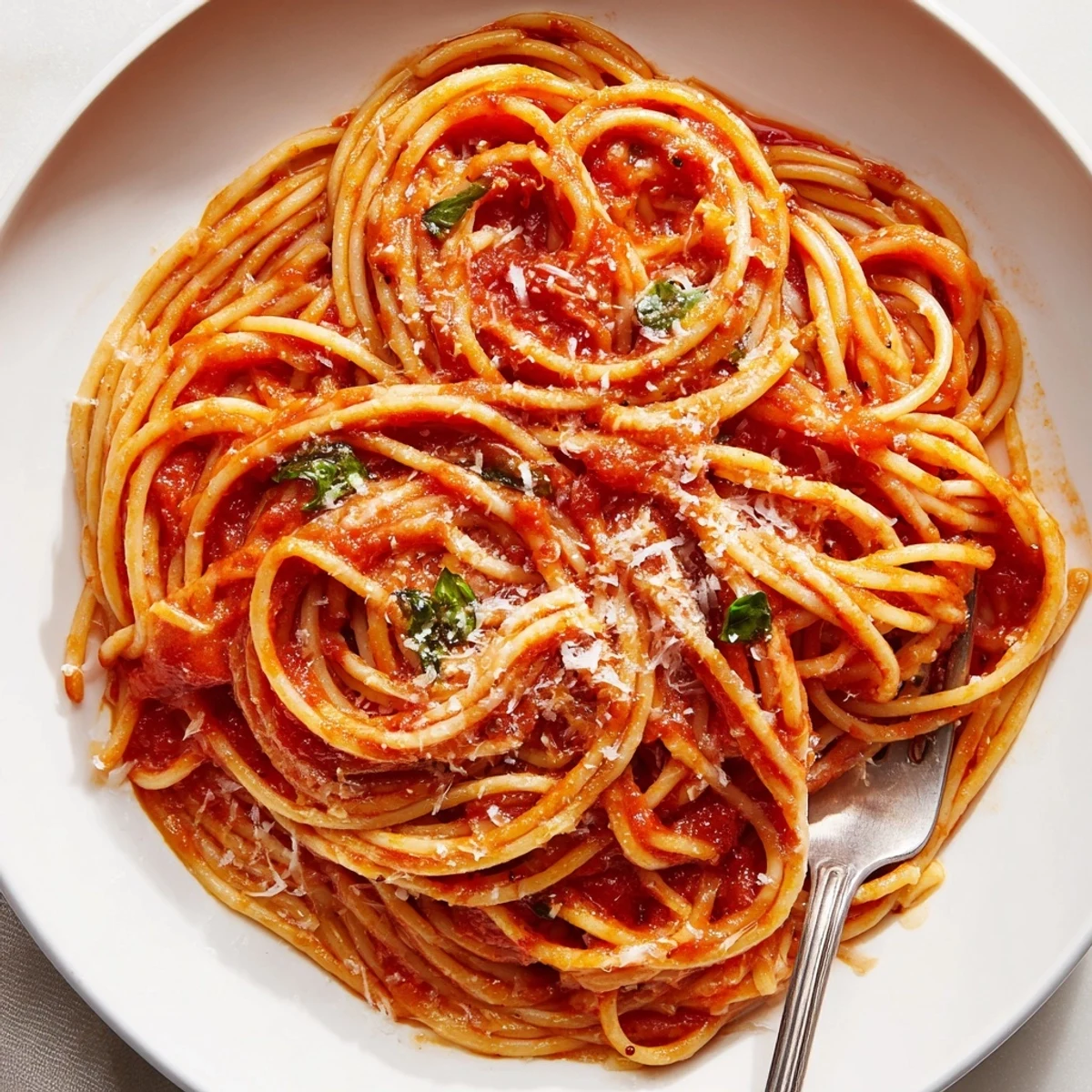
- Divide among warm bowls right away and pass extra Parmesan at the table. A few more torn basil leaves on top make it look like you tried harder than you actually did.
 Save to Pinterest
 A friend once told me that this simple pasta dish got her through her first month living alone in a new city, and that is really the highest compliment any recipe can receive.
What to Serve Alongside
A crisp side salad with a lemon vinaigrette cuts through the richness of the tomato sauce perfectly. Crusty bread for soaking up any extra sauce is practically mandatory in my house, and a glass of Chianti or a chilled Italian white wine turns a weeknight dinner into something that feels intentional and special.
Making It Your Own
This recipe is a canvas more than a rulebook, and some of my favorite versions came from simply using whatever needed to be used up in the fridge. Toss in sauteed zucchini or mushrooms during the sauce step, or stir in cooked Italian sausage or shredded rotisserie chicken for a heartier meal that stretches into tomorrow lunch.
Storage and Reheating
Leftovers keep well in an airtight container in the refrigerator for up to three days, though the pasta will absorb some of the sauce as it sits. Reheat gently in a pan with a splash of water to loosen things back up, and add fresh basil before serving because the original leaves will have faded.
- Freeze the sauce on its own for up to three months, then boil fresh pasta when you are ready to eat.
- Gluten free pasta works beautifully here but watch the cooking time carefully because it goes from perfect to mushy very fast.
- Always check your cheese and pasta labels if cooking for someone with allergen concerns, because hidden ingredients can surprise you.
 Save to Pinterest
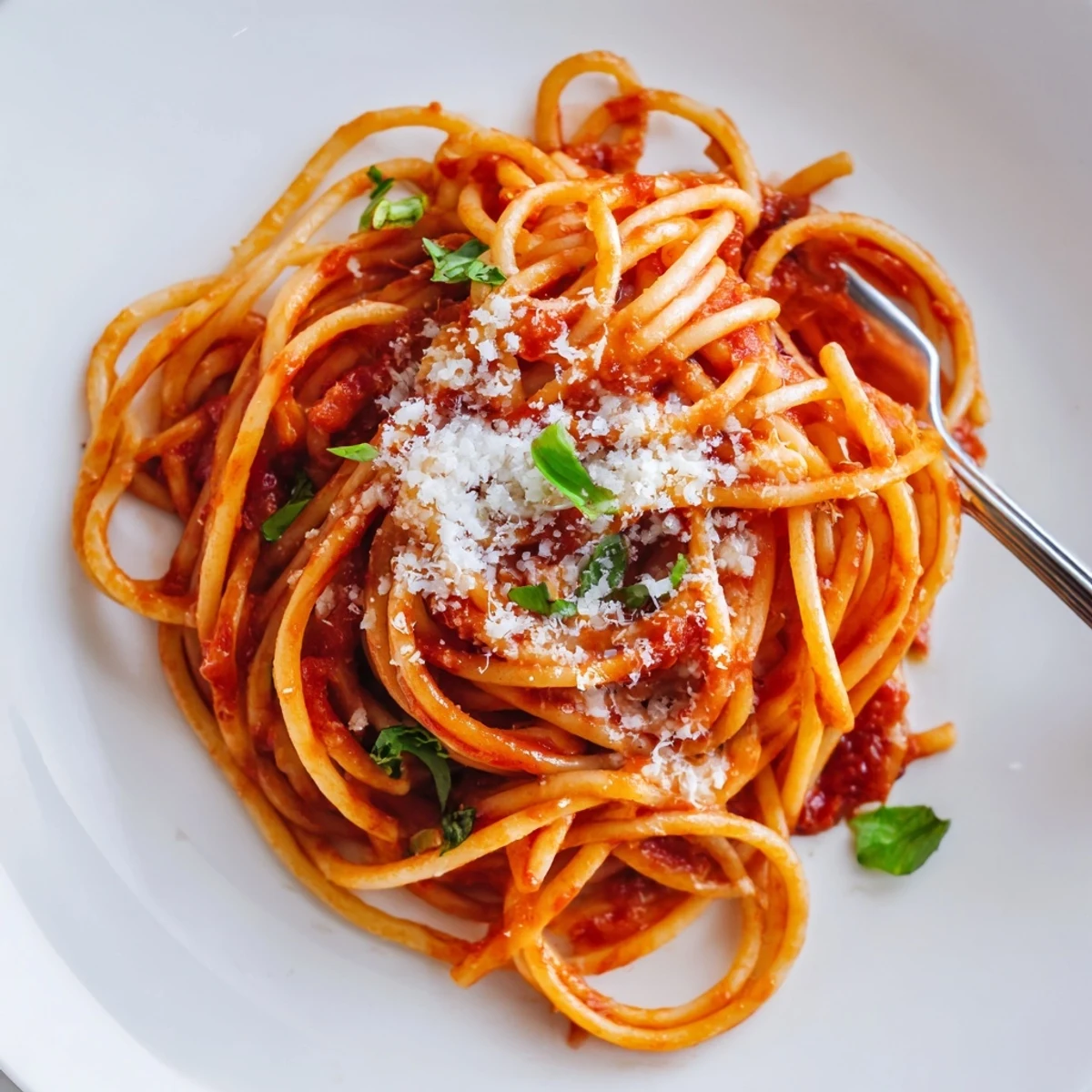
 Keep this recipe close because you will reach for it again and again, and each time it will feel a little more like yours. That is the quiet magic of a truly good pasta.
Recipe FAQ
- → Which pasta shape works best?
-
Short shapes like penne or rigatoni hold the chunky tomato sauce well, while long strands like spaghetti or linguine provide a classic twirl. Choose based on texture preference.
- → How do I keep the sauce from becoming watery?
-
Simmer uncovered until the crushed tomatoes reduce and thicken. If needed, cook a few extra minutes or stir in a spoonful of reserved pasta water gradually to adjust consistency without thinning the sauce.
- → How do I achieve perfectly al dente pasta?
-
Follow package timing but test a minute or two before the lower end. Pasta should be tender with a slight bite. Drain promptly and toss with sauce so it finishes cooking in the pan.
- → What can I use instead of Parmesan?
-
For a similar umami finish, try Pecorino Romano, grated aged hard cheese, or a dairy-free parmesan alternative for lactose-free diets. Adjust salt as some substitutes are saltier.
- → How can I add protein or vegetables?
-
Sautéed mushrooms, roasted vegetables, or cooked chicken pair nicely. Add pre-cooked proteins at the end to warm through, and fold roasted or sautéed veggies into the sauce before tossing with pasta.
- → Any tips for seasoning and brightness?
-
Balance acidity with a pinch of sugar while simmering and finish with torn fresh basil and a drizzle of good olive oil. A squeeze of lemon or a splash of reserved pasta water can lift the flavors if needed.