
 Save to Pinterest
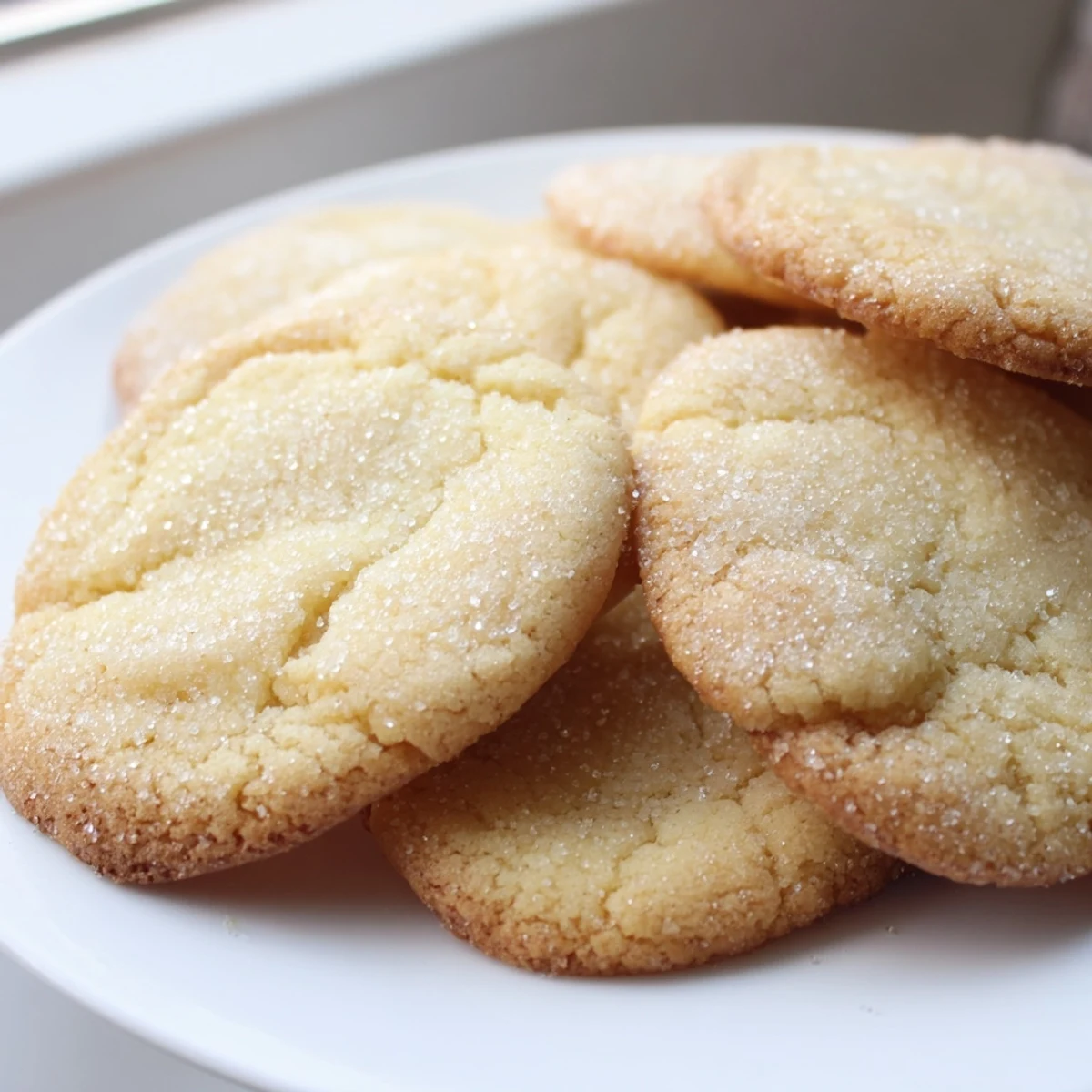
 These classic American sugar cookies deliver the perfect balance of crisp golden edges and a soft, melt-in-your-mouth center.
Made with simple pantry staples—butter, sugar, flour, egg, and vanilla—the dough comes together quickly with an electric mixer.
Roll the dough balls in extra sugar before baking for a sparkly finish, or leave them plain for decorating with icing and sprinkles later.
At just 20 minutes of prep and 10 minutes in the oven, you can have warm, freshly baked cookies on the table in under 30 minutes.
The kitchen smelled like a vanilla candle factory had exploded, and honestly, I was okay with that. My grandmother used to make sugar cookies every Saturday morning, and she never once used a recipe card, just her hands and a worn wooden spoon she called Old Reliable. I burned my first three batches trying to recreate them, stubbornly refusing to believe butter temperature actually mattered. It does, enormously, and once I accepted that, everything changed.
I brought a tin of these to a neighborhood potluck last December, fully expecting them to disappear behind the fancy pies and layered cakes people had brought. By the end of the evening, the tin was empty, a woman I had never met asked me for the recipe twice, and my husband quietly admitted he had eaten six of them before we even left the house.
Ingredients
- All-purpose flour (2 3/4 cups, 345 g): The backbone of the cookie, and spooning it into the cup rather than scooping directly from the bag saves you from dense, hockey-puck cookies.
- Baking powder (1/2 teaspoon): Just enough lift to keep these tender without turning them into little cakes.
- Salt (1/4 teaspoon): Do not skip this, because salt is what makes butter taste like more of itself.
- Unsalted butter, softened (1 cup, 227 g): Softened means room temperature and slightly yielding when pressed, not melty or greasy, and this single detail determines the entire texture of your cookie.
- Granulated sugar (1 1/2 cups, 300 g): Standard white sugar gives the classic crunch on the edges while keeping the inside soft and chewy.
- Large egg (1): Binds everything together and adds richness, and it should be at room temperature so it blends seamlessly into the butter mixture.
- Vanilla extract (2 teaspoons): Use the real stuff if you can, because you will taste the difference in a cookie this simple.
- Extra granulated sugar for rolling (1/4 cup, 50 g, optional): A quick roll in sugar before baking gives each cookie a delicate, sparkly crust that looks beautiful and adds a satisfying slight crunch.
Instructions
- Get your oven ready:
- Preheat to 350 degrees Fahrenheit (175 degrees Celsius) and line two baking sheets with parchment paper so your cookies never stick and cleanup is effortless.
- Whisk the dry team:
- In a medium bowl, whisk together the flour, baking powder, and salt until evenly distributed, about 30 seconds of enthusiastic whisking.
- Beat butter and sugar into clouds:
- In a large bowl, beat the softened butter and granulated sugar together with an electric mixer until the mixture turns pale, fluffy, and looks almost whipped, about two to three minutes.
- Add the egg and vanilla:
- Drop in the egg and vanilla extract, then beat until everything is combined and the mixture looks smooth and glossy.
- Bring it all together:
- Gradually add the dry ingredients to the wet mixture, mixing on low speed or by hand until the flour just disappears into the dough, and stop the moment it does because overmixing builds gluten and makes tough cookies.
- Shape and roll:
- Scoop tablespoon-sized portions of dough, roll them into smooth balls between your palms, and if you like, roll each one in extra sugar for a sparkly, bakery-style finish.
- Arrange and flatten:
- Place the dough balls two inches apart on your prepared baking sheets to give them room to spread, then gently flatten each one slightly with the bottom of a glass or the palm of your hand.
- Bake to golden perfection:
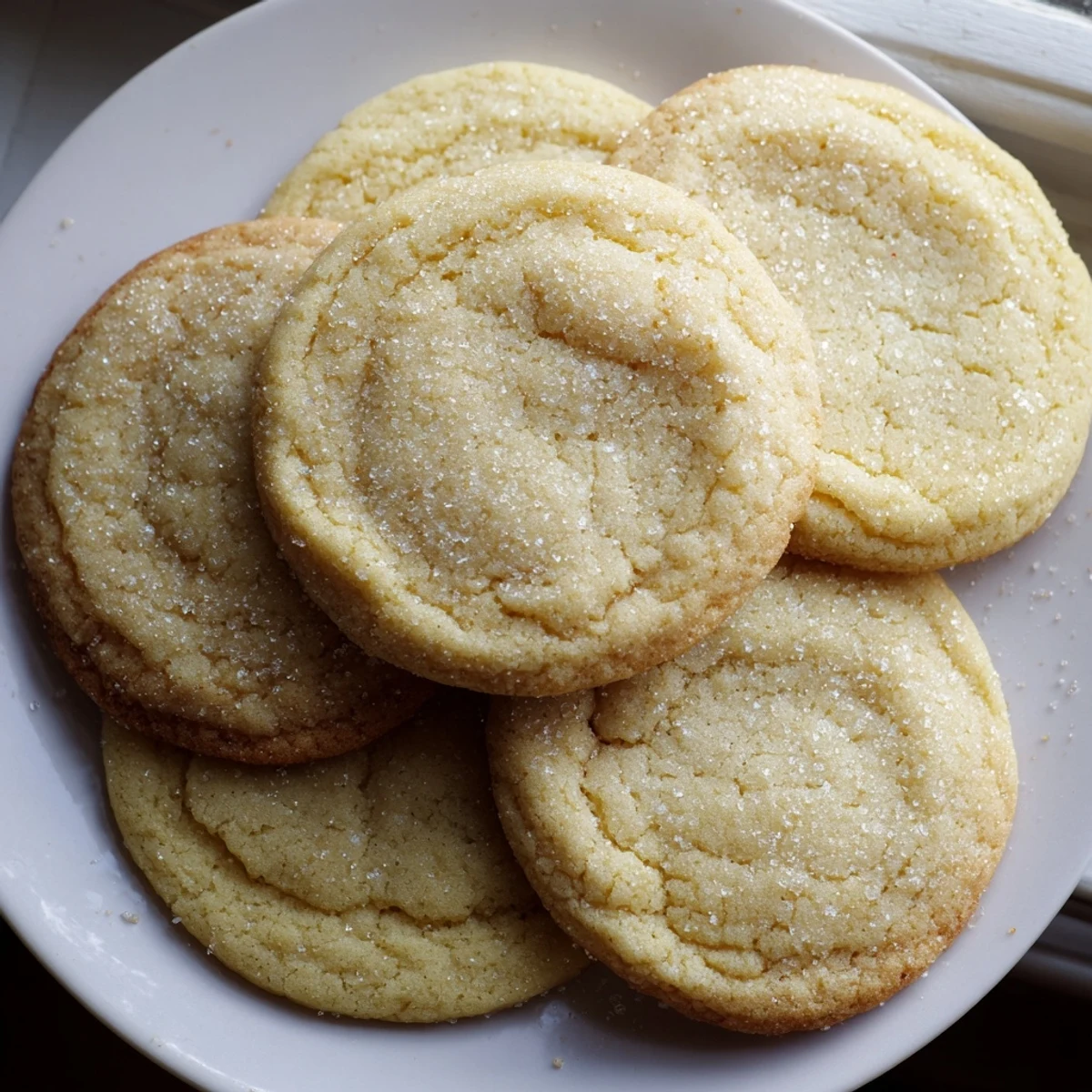
- Bake for eight to ten minutes until the edges are just turning golden but the centers still look slightly soft and underdone, because they will continue to firm up as they cool on the pan for two minutes before you move them to a wire rack.
 Save to Pinterest
 One rainy afternoon my daughter and I spent two hours decorating these with bright icing and scattered sprinkles until the kitchen counter looked like a craft table had exploded. She ate three of them with frosting still wet on her fingers, grinned at me with blue-tinted teeth, and declared it the best day ever.
Flavor Twists Worth Trying
Add a teaspoon of lemon or orange zest to the dough for a bright, fragrant variation that tastes like sunshine in cookie form. A half teaspoon of almond extract swapped in for part of the vanilla creates a wonderfully warm, marzipan-like depth. I sometimes press a chocolate kiss into the center of each cookie the moment they come out of the oven, and people act like I have performed magic.
Storage and Make-Ahead
These cookies stay fresh in an airtight container at room temperature for up to five days, though in my house they rarely survive past day two. You can freeze the shaped dough balls on a baking sheet, then transfer them to a freezer bag for up to three months, baking them straight from frozen with just an extra minute or two added to the time. Baked and cooled cookies also freeze beautifully layered between sheets of parchment paper.
Getting the Texture Right
Everything about sugar cookie texture comes down to how you handle the fat and the flour, and small choices make a big difference. A lighter hand with the flour keeps the cookie tender, while proper creaming of butter and sugar creates those tiny air pockets that give the edges their satisfying crispness. The recipe is forgiving, but these three habits will make it consistently excellent every single time.
- Always spoon flour into your measuring cup and level it off with a knife rather than scooping directly with the cup.
- Set butter out on the counter for about an hour before baking so it reaches that perfect soft-but-still-cool consistency.
- Watch the oven closely during the last two minutes of baking, because the window between perfectly golden and overdone is remarkably narrow.
 Save to Pinterest
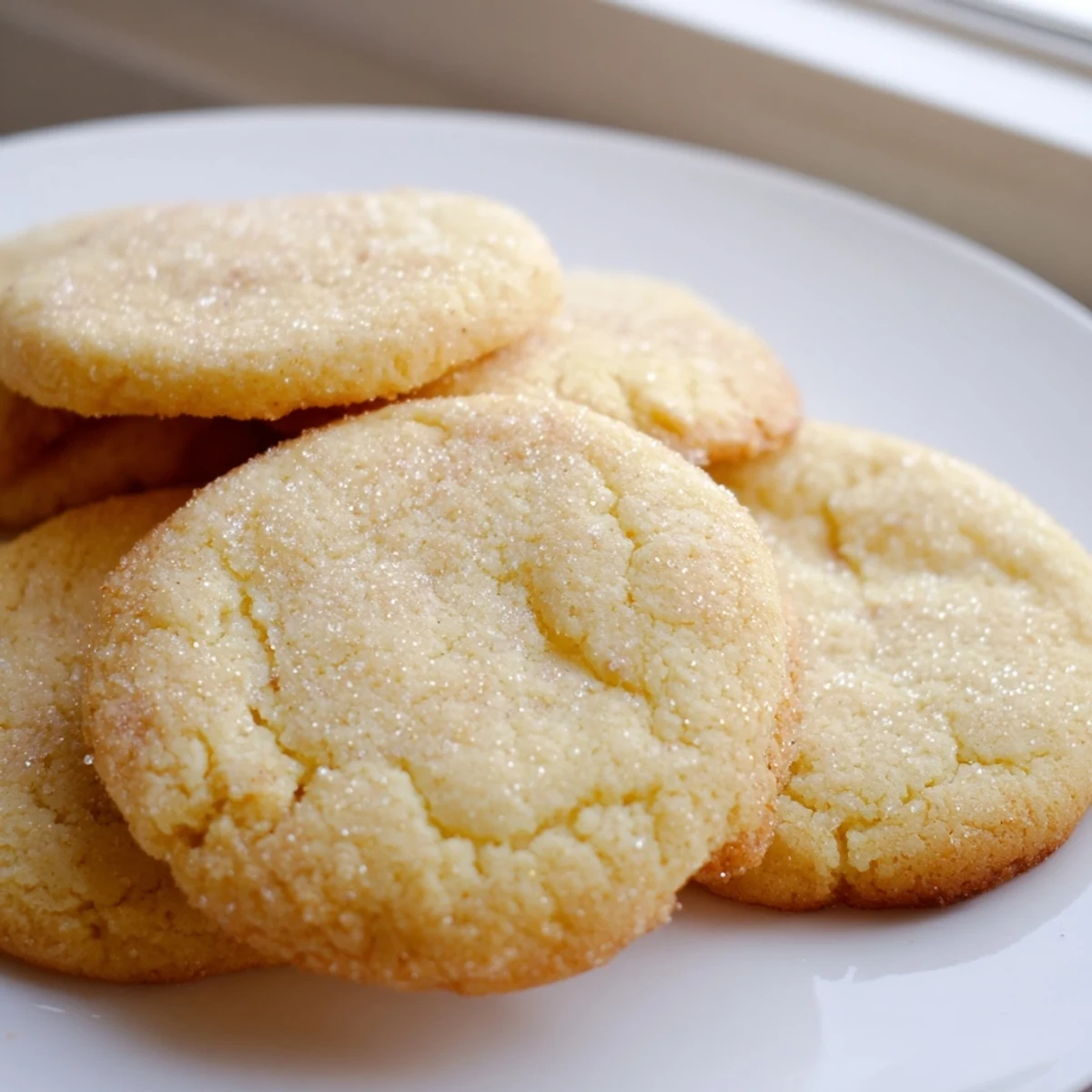
 Some recipes are just recipes, but this one feels like a small act of love you can hold in your hands. Share them generously, because joy multiplied is the whole point of baking.
Recipe FAQ
- → Why did my sugar cookies spread too much?
-
Over-spreading usually happens when the butter is too warm or the dough wasn't chilled. Try refrigerating the shaped dough balls for 15-20 minutes before baking to help them hold their shape.
- → Can I make the dough ahead of time?
-
Yes, the dough can be wrapped tightly in plastic and refrigerated for up to 3 days. You can also freeze it for up to 3 months—just thaw in the refrigerator overnight before rolling and baking.
- → How do I get softer cookies instead of crispy ones?
-
For softer cookies, pull them from the oven when the centers still look slightly underdone and the edges are barely golden. They will continue to set as they cool on the baking sheet.
- → Can I add flavors or mix-ins to this dough?
-
Absolutely. Try adding lemon or orange zest, a splash of almond extract, or even rolling the dough in cinnamon sugar. You can also press sprinkles or colored sugar into the tops before baking.
- → How should I store baked sugar cookies?
-
Store cooled cookies in an airtight container at room temperature for up to one week. If decorating with icing, let the icing set completely before stacking with parchment paper between layers.
- → Can I freeze the baked cookies?
-
Yes, baked cookies freeze beautifully for up to 3 months. Place them in a freezer-safe container with parchment between layers and thaw at room temperature when ready to enjoy.