
 Save to Pinterest
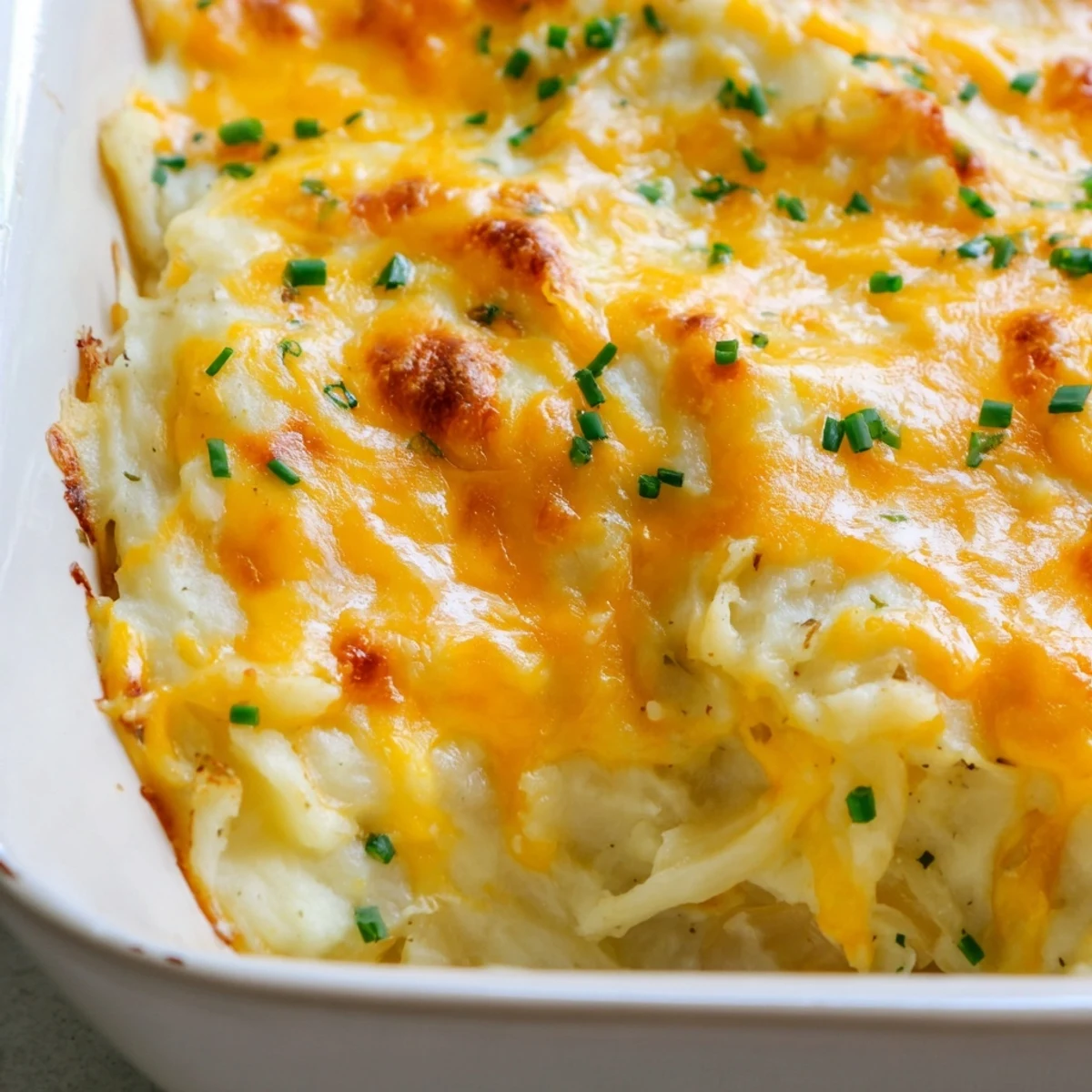
 This hearty casserole combines velvety mashed potatoes with deeply caramelized onions and a generous blend of sharp cheddar and mozzarella cheeses.
Preparation is straightforward: boil and mash the potatoes with butter, warm milk, and sour cream, then fold in sautéed onions and cheese before baking until golden and bubbly on top.
Ready in about an hour, it serves six and works beautifully as a comforting side for holiday gatherings or a satisfying vegetarian main on its own.
Something about the sound of onions hitting a hot skillet at six in the morning makes you question your life choices, but then the smell fills the kitchen and suddenly everything makes sense. I was prepping this casserole for a potluck that didnt start until noon, which tells you everything about my relationship with caramelized onions and patience. The cheese pulling away in long golden strings when I scooped the first serving sealed the deal. This dish has been showing up at every gathering since.
My neighbor Karen stopped by unannounced one November evening while I was pulling this from the oven, and she stood in the doorway holding a casserole dish of her own, staring at mine like I had just committed an act of betrayal. We ended up eating both versions side by side, and hers was technically a sweet potato casserole, so nobody had to choose. She asked for the recipe on a sticky note and I found it pinned to her fridge months later when I went over to borrow a ladder.
Ingredients
- Potatoes (2 lbs russet or Yukon Gold, peeled and cubed): Yukon Golds give a silkier texture but russets absorb the butter and milk more eagerly, so pick based on the mood you are in.
- Whole milk (1 cup): Warm it before adding, because cold milk shocks the potatoes and makes them gummy and stubborn.
- Unsalted butter (4 tbsp, plus extra for greasing): This is not the place to skimp, and the extra butter for the dish prevents a tragic sticking situation.
- Sharp cheddar cheese (1 ½ cups shredded): The sharpness cuts through the richness and keeps the flavor from feeling one note.
- Mozzarella cheese (½ cup shredded): Adds that stretchy, photogenic cheese pull that makes everyone hover near the baking dish.
- Sour cream (½ cup): A quiet ingredient that adds tang and makes the texture lighter than mashed potatoes have any right to be.
- Yellow onions (2 large, thinly sliced): Cook them low and slow until they collapse into sweet amber ribbons, because rushing this step is the main reason casseroles taste flat.
- Olive oil (2 tbsp): Used for caramelizing the onions, and a neutral oil works too but olive oil adds a faint fruitiness.
- Garlic (2 cloves, minced): Added at the very end of caramelizing so it doesnt burn and turn bitter.
- Fresh chives (2 tbsp chopped, optional): A sprinkle on top adds color and a mild onion freshness that balances the heaviness.
- Salt (1 tsp, plus more to taste): Season the potato water generously and adjust at the end, because undersalted mashed potatoes are a sadness.
- Freshly ground black pepper (½ tsp): Adds warmth without overwhelming the delicate potato flavor.
Instructions
- Set the stage:
- Preheat your oven to 375°F and rub a 9x13 inch baking dish with butter until it gleams, because this small act of generosity pays off when serving.
- Boil the potatoes:
- Cover your cubed potatoes with salted cold water in a large pot, bring to a rolling boil, then drop to a simmer until a fork slides through without resistance, about 15 to 18 minutes. Drain them well and let them sit for a minute so the steam escapes and the potatoes dry out slightly.
- Caramelize the onions:
- Warm olive oil in a wide skillet over medium heat and add the sliced onions, stirring every few minutes until they shrink down and turn a deep golden brown, which takes about 15 to 20 minutes if you resist the urge to crank the heat. Toss in the minced garlic and stir for one more minute until your kitchen smells absolutely irresistible.
- Mash with intention:
- Add the butter, warm milk, sour cream, salt, and pepper to the drained potatoes and mash until smooth and creamy, stopping short of overworking them into paste.
- Bring it all together:
- Fold half the cheddar and mozzarella into the mashed potatoes along with the caramelized onions, saving a small handful of onions for the top if you want a dramatic presentation. The mixture will look impossibly rich and you will question nothing.
- Assemble and bake:
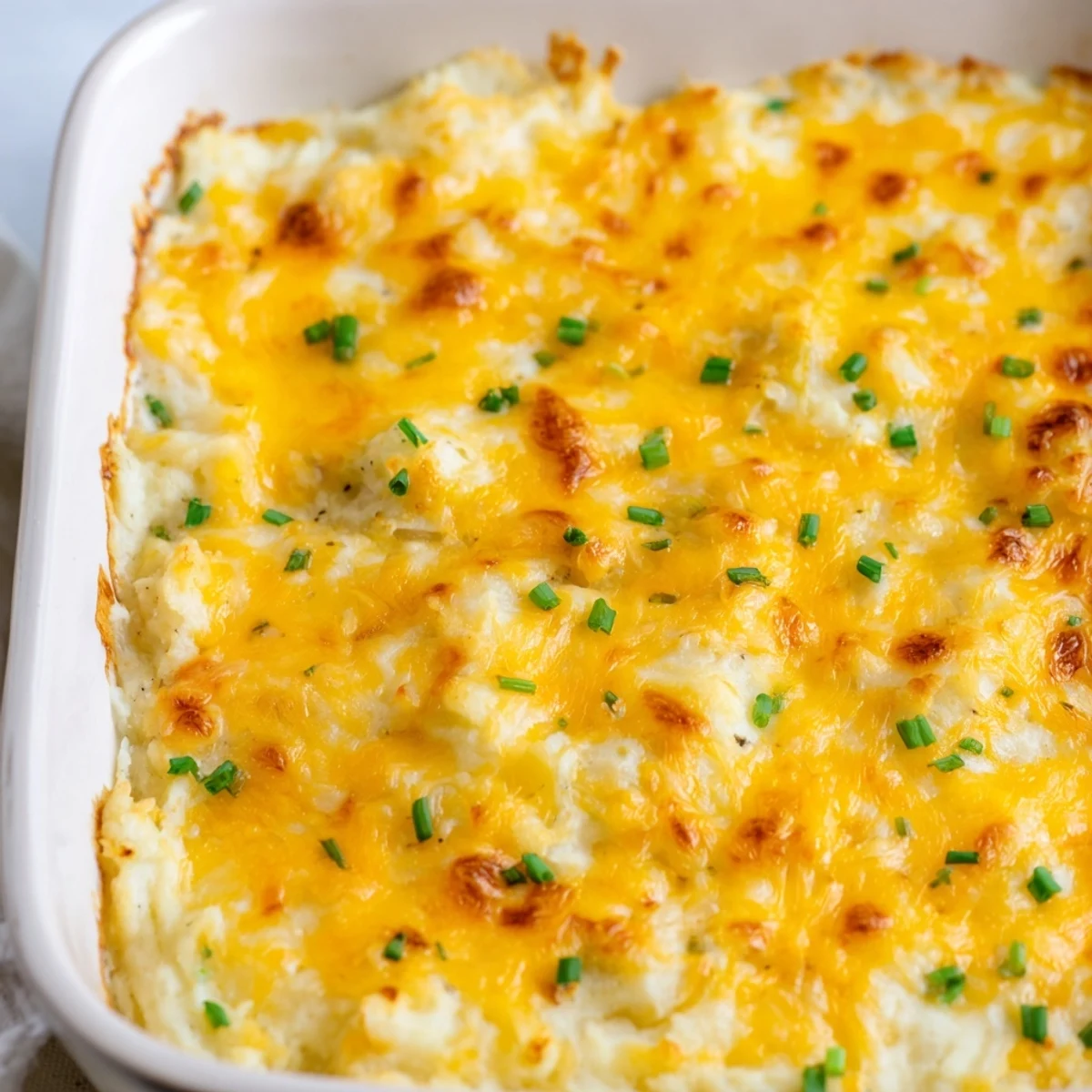
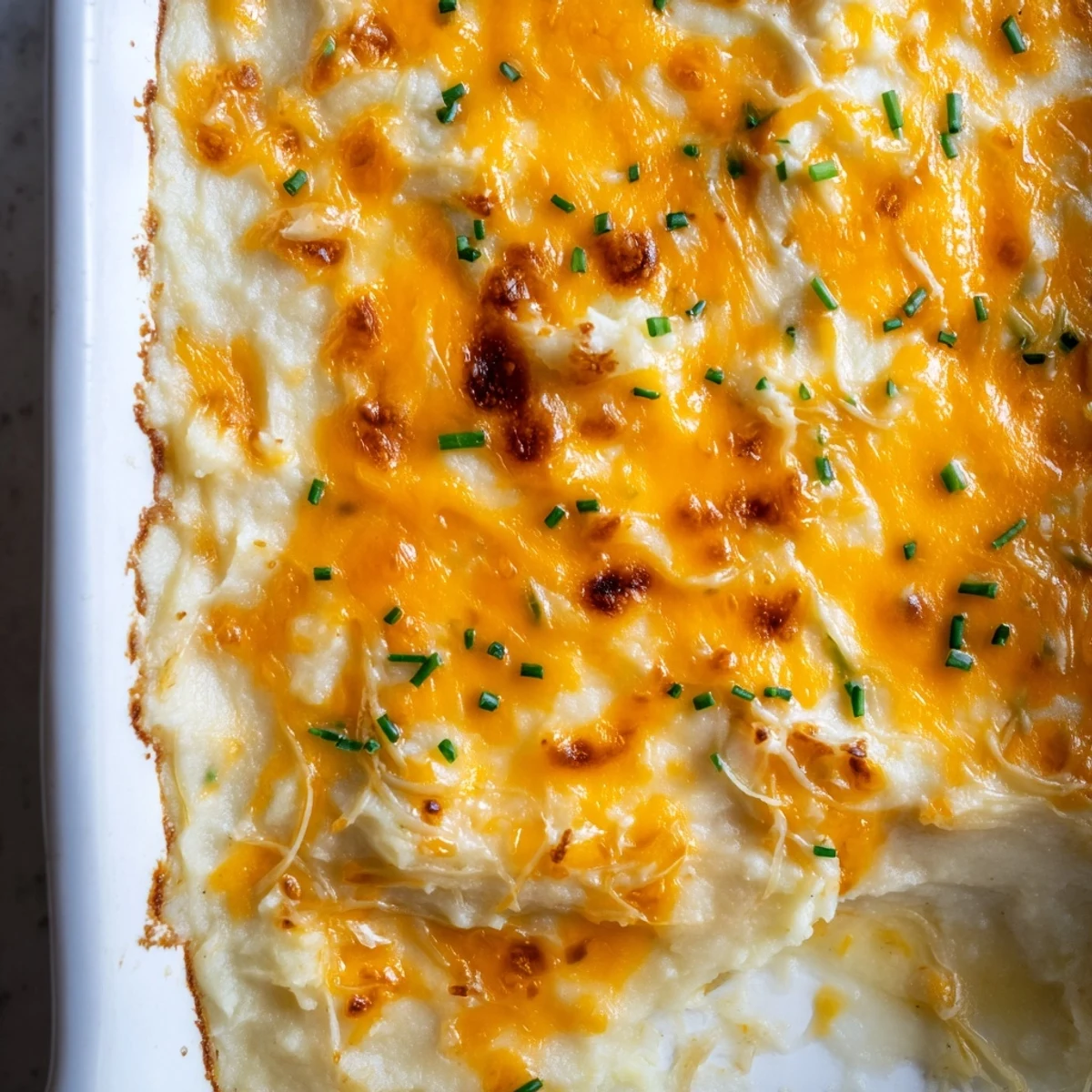
- Spread the mixture evenly into your prepared baking dish, scatter the remaining cheese and reserved onions on top, and bake for 25 minutes until the cheese is bubbling and speckled with golden spots. Let it rest for five minutes before serving so you do not burn the roof of your mouth on molten cheese.
 Save to Pinterest
 The first time I brought this to a holiday dinner, my uncle who famously eats nothing green and considers mashed potatoes a personal food group went back for a third helping without saying a word. He later cornered me in the kitchen and asked, in a low voice, if I could make it for his birthday in February. That casserole became the only dish I was ever asked to contribute to any family function, and I have made it roughly forty times since.
Make It Your Own
Swap the mozzarella for Gruyère if you want something nuttier and more complex, or toss in crispy bacon bits if the vegetarians at your table are not paying attention. I once added a half cup of cream cheese because I had some left over from bagels and the result was so decadent that I felt the need to go for a walk afterward.
Planning Ahead
You can assemble the entire casserole up to 24 hours in advance and keep it covered in the fridge, then just add about ten extra minutes to the baking time since it will be cold. This little trick has saved me on more than one occasion when I underestimated how long everything else would take.
Serving and Storing
Leftovers keep in an airtight container in the fridge for up to four days and reheat surprisingly well in the microwave or oven. The texture holds up better than most potato dishes because the cheese and sour cream act as structural support.
- Sprinkle chives on right before serving so they stay bright and do not wilt into the hot cheese.
- Cover with foil for the first 15 minutes of baking if the top is browning too quickly.
- Let the casserole rest at least five minutes so the layers settle and serving is not a messy avalanche.
 Save to Pinterest
 Some dishes earn a permanent spot in your rotation not because they are flashy but because they make people quiet with the first bite and reach for seconds without asking. This is that casserole, and it deserves a place at your table too.
Recipe FAQ
- → Can I make this casserole ahead of time?
-
Yes, you can assemble the entire dish up to 24 hours in advance. Cover it tightly and refrigerate, then bake when ready to serve. You may need to add an extra 5–10 minutes to the baking time if going straight from the refrigerator.
- → What type of potatoes work best for this dish?
-
Russet potatoes yield the fluffiest, lightest mash, while Yukon Golds produce a creamier, slightly denser texture. Both work wonderfully here—choose based on your personal preference.
- → How do I get perfectly caramelized onions?
-
Cook thinly sliced onions in olive oil over medium heat, stirring occasionally rather than constantly. Patience is key—true caramelization takes 15–20 minutes. Avoid high heat, which browns the outside without developing deep, sweet flavor throughout.
- → Can I substitute the cheeses used in this casserole?
-
Absolutely. Gruyère makes an excellent substitute for mozzarella, adding nutty depth. You can also try Monterey Jack, fontina, or Parmesan for different flavor profiles. Just keep a melting cheese in the mix for that gooey topping.
- → How should I store and reheat leftovers?
-
Store leftovers in an airtight container in the refrigerator for up to 3 days. Reheat individual portions in the microwave, or warm the whole dish in a 350°F oven covered with foil until heated through, about 15–20 minutes.
- → Can I freeze this mashed potato casserole?
-
Yes, you can freeze it before or after baking. Wrap tightly in foil and freeze for up to 2 months. Thaw overnight in the refrigerator before baking or reheating. Note that the texture may be slightly less creamy after freezing.