
 Save to Pinterest
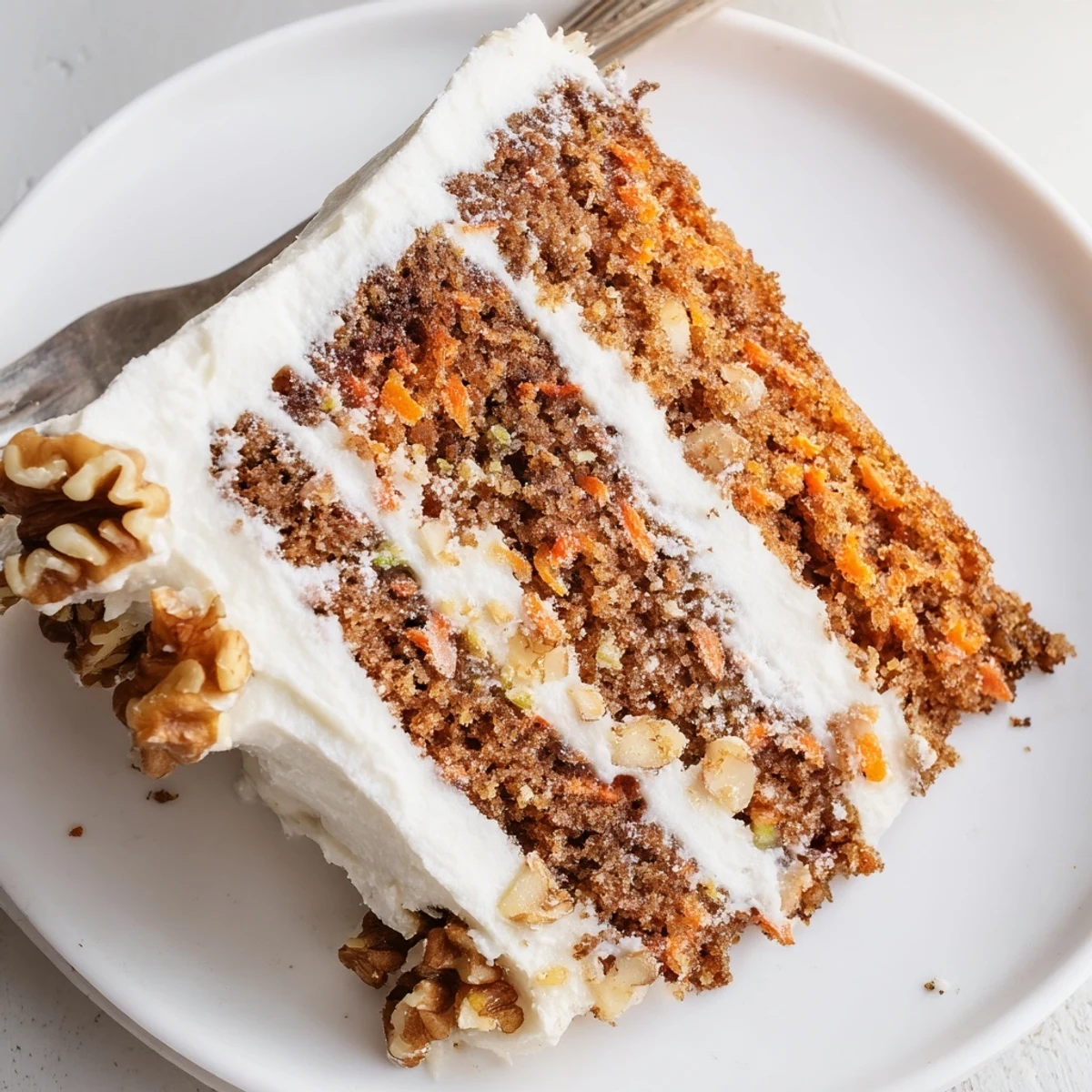
 This moist carrot cake uses 2 cups grated carrots, oil and eggs for a tender crumb, plus warm cinnamon and nutmeg. Dry ingredients are folded into beaten sugars and eggs, then carrots, nuts and drained pineapple are stirred in. Bake 35–40 minutes until a toothpick comes out clean. Frost with a creamy blend of cream cheese, butter and powdered sugar; chill briefly for cleaner slices. Stores refrigerated up to 4 days.
There is something about the smell of cinnamon and grated carrots hitting a bowl of batter that makes my kitchen feel like a bakery on a quiet Sunday morning. I started making carrot cake years ago after finding my grandmothers handwritten recipe card stained with oil spots and faded ink. It took me at least five attempts before I stopped overmixing the batter and accepted that a few lumps are perfectly fine. This version is the one that finally earned a permanent spot in my recipe box.
I brought this cake to a friends potluck dinner once and watched three people go back for seconds before the main course was even cleared. The host pulled me aside and asked if I was hiding a bakery somewhere. That moment taught me carrot cake does not need a birthday or a holiday as an excuse.
Ingredients
- All-purpose flour (2 cups): Spoon and level it gently because packing it down will give you a dense and heavy cake.
- Baking powder (2 teaspoons) and baking soda (1 and a half teaspoons): Using both gives you a reliable rise and a tender crumb.
- Ground cinnamon (1 teaspoon) and nutmeg (half teaspoon): Fresh spices make a noticeable difference so replace old jars if they have lost their fragrance.
- Salt (half teaspoon): A small amount sharpens every flavor and keeps the sweetness in check.
- Eggs (3 large, room temperature): Cold eggs can cause the batter to seize so set them out about thirty minutes ahead.
- Granulated sugar (1 cup) and brown sugar (half cup, packed): The brown sugar adds depth and a slight caramel note that white sugar alone cannot achieve.
- Vegetable oil (1 cup): Oil produces a softer crumb than butter and keeps the cake moist for days.
- Vanilla extract (2 teaspoons for cake, 1 teaspoon for frosting): Real extract is worth the splurge here because it flavors both the cake and the frosting.
- Grated carrots (2 cups): Use the fine side of your grater for the best texture and do not squeeze out the moisture.
- Chopped walnuts or pecans (half cup, optional): Toast them lightly first and the flavor payoff is enormous.
- Crushed pineapple (half cup, well drained, optional): Squeeze it in a clean towel until nearly dry for the best results.
- Cream cheese (8 oz, softened): Full fat blocks work best because tub style spreads contain too much air and moisture.
- Unsalted butter (4 oz, softened): Let it soften naturally on the counter rather than microwaving it.
- Powdered sugar (2 to 2 and a half cups, sifted): Start with less and add more until the sweetness and thickness feel right to you.
- Salt (pinch, for frosting): Just a tiny pinch makes the tang of the cream cheese pop.
Instructions
- Preheat and prepare your pans:
- Set the oven to 350 degrees Fahrenheit and grease your pans generously then dust them with flour tapping out the excess.
- Mix the dry ingredients:
- Whisk the flour, baking powder, baking soda, cinnamon, nutmeg, and salt together in a medium bowl until evenly combined.
- Beat the wet ingredients:
- In a large bowl beat the eggs and both sugars until smooth then pour in the oil and vanilla mixing until glossy.
- Combine wet and dry:
- Add the dry ingredients to the wet in two additions folding gently and stopping as soon as you no longer see streaks of flour.
- Fold in the good stuff:
- Stir in the grated carrots, nuts, and drained pineapple with a spatula using slow and gentle motions to keep the batter light.
- Bake the cake:
- Pour the batter into your prepared pans and smooth the tops then bake for 35 to 40 minutes until a toothpick slides out clean.
- Cool completely:
- Let the cakes rest in their pans on a wire rack for ten minutes then turn them out to cool fully before frosting.
- Make the frosting:
- Beat the cream cheese and butter together until fluffy then gradually add sifted powdered sugar, vanilla, and salt until silky smooth.
- Assemble and frost:
- Spread frosting evenly over the cooled cake layers and if making a layer cake fill between the layers before covering the sides.
 Save to Pinterest
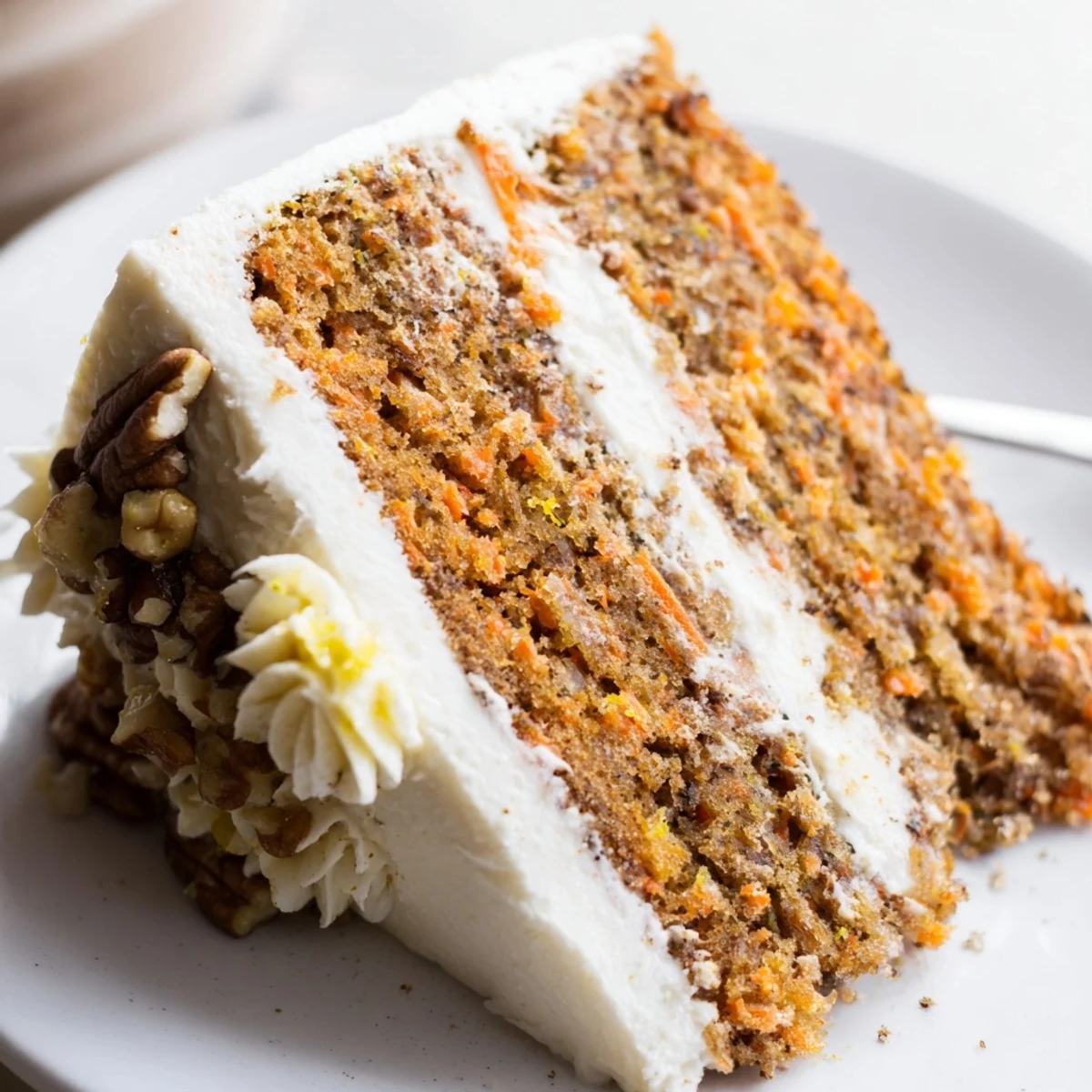
 The morning after my daughter was born my husband showed up at the hospital with a slice of this cake wrapped in a napkin from home. It was slightly smashed and the frosting had shifted to one side but I remember it tasting like the most perfect thing in the world.
What to Serve With It
A strong cup of black coffee cuts through the sweetness in the best way possible. I have also served thin slices alongside a scoop of vanilla bean ice cream at dinner parties and guests always appreciate the contrast of warm spice and cold cream.
Storing and Make Ahead Advice
This cake actually tastes better on the second day when the spices have had time to settle and deepen. Cover it tightly and refrigerate for up to four days but always let it sit at room temperature for about thirty minutes before serving so the frosting softens back up.
Variations That Actually Work
Over the years I have played with this recipe more times than I can count and a few tweaks have earned a permanent place in my rotation.
- A quarter teaspoon of ground ginger added with the other spices gives a gentle warmth that people notice but cannot quite identify.
- Toasted coconut folded in with the carrots adds chewy texture and a subtle sweetness that pairs perfectly with the frosting.
- Raisins are controversial in carrot cake but soaking them in warm water for ten minutes before folding them in makes even the skeptics come around.
 Save to Pinterest
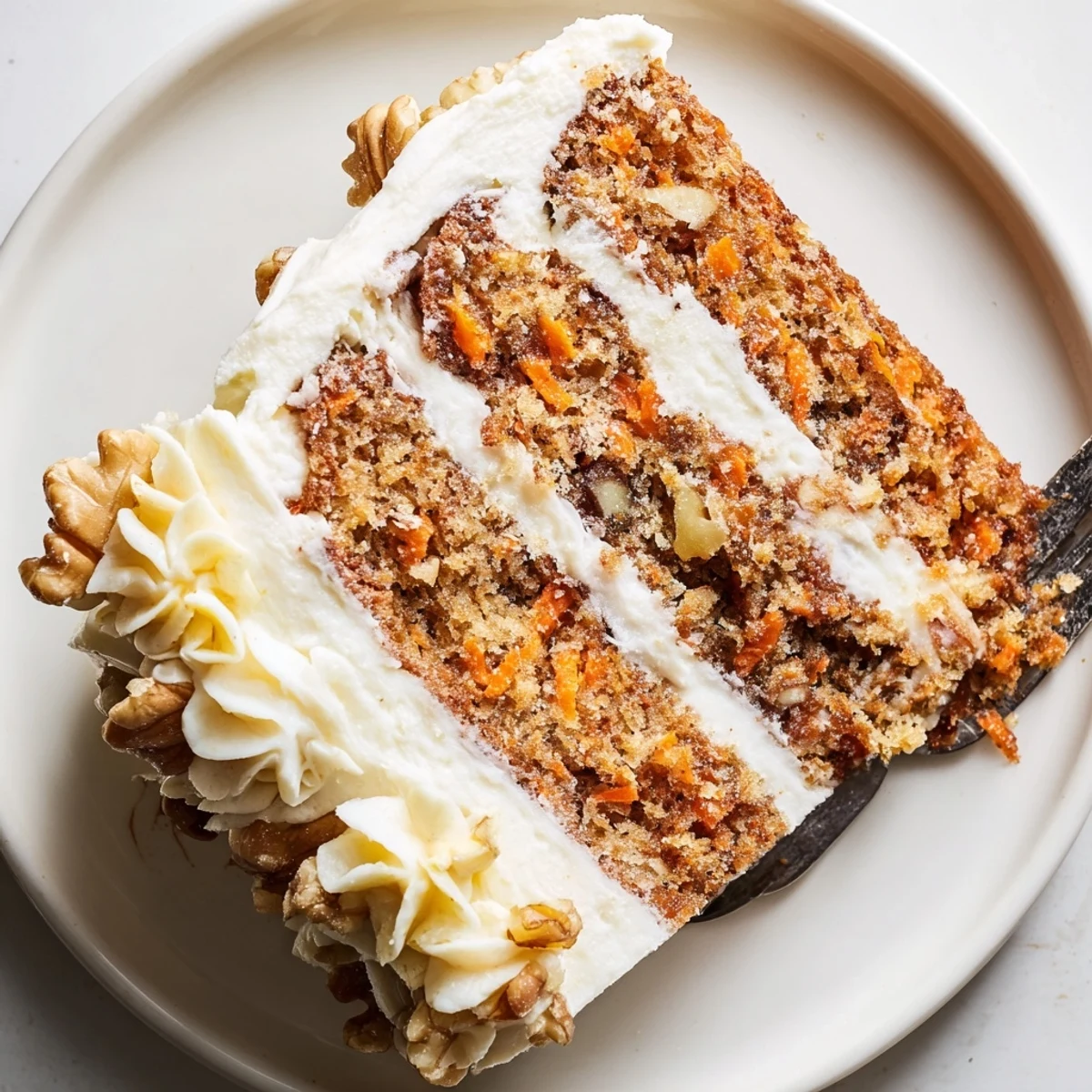
 Carrot cake is one of those rare desserts that feels equally at home on a fancy tiered stand or on a plain plate with a fork and a cup of afternoon tea. Share it generously and watch it disappear.
Recipe FAQ
- → How do I keep the cake moist?
-
Use vegetable oil and room-temperature eggs, measure flour accurately, and avoid overmixing. Including a bit of crushed pineapple or extra grated carrot adds moisture. Remove from the oven as soon as a toothpick comes out clean and cool in the pan briefly before transferring to a rack.
- → Can I bake this in one pan instead of two?
-
Yes. Use a 9x13-inch pan and reduce baking time slightly; start checking at 30 minutes. A single-layer will be denser, so allow full cooling before frosting. Adjust oven time to ensure the center is set without drying the edges.
- → How do I prevent the frosting from sliding off?
-
Chill the cooled cake briefly before frosting so the crumb firms up. Beat the cream cheese and butter until smooth but not too soft; add powdered sugar gradually to reach a spreadable yet stable consistency. Refrigerate for 15–30 minutes after frosting for cleaner slices.
- → What nut or add-in substitutions work well?
-
Pecans or walnuts add a pleasant crunch; toast them lightly for more flavor. For a nut-free option omit nuts and add toasted coconut or extra crushed pineapple. Raisins can be added for chew and sweetness—toss them in a little flour to prevent sinking.
- → Should the pineapple be drained?
-
Yes. Well-drained crushed pineapple keeps excess moisture out of the batter while contributing brightness. If using canned pineapple, press it in a sieve or pat dry with paper towels before folding into the batter.
- → Can I make components ahead of time?
-
The cake layers can be baked and wrapped tightly, then refrigerated for up to 2 days or frozen for longer storage. Make the frosting ahead and keep refrigerated; bring it to room temperature and re-whip before spreading to restore a fluffy texture.