
 Save to Pinterest
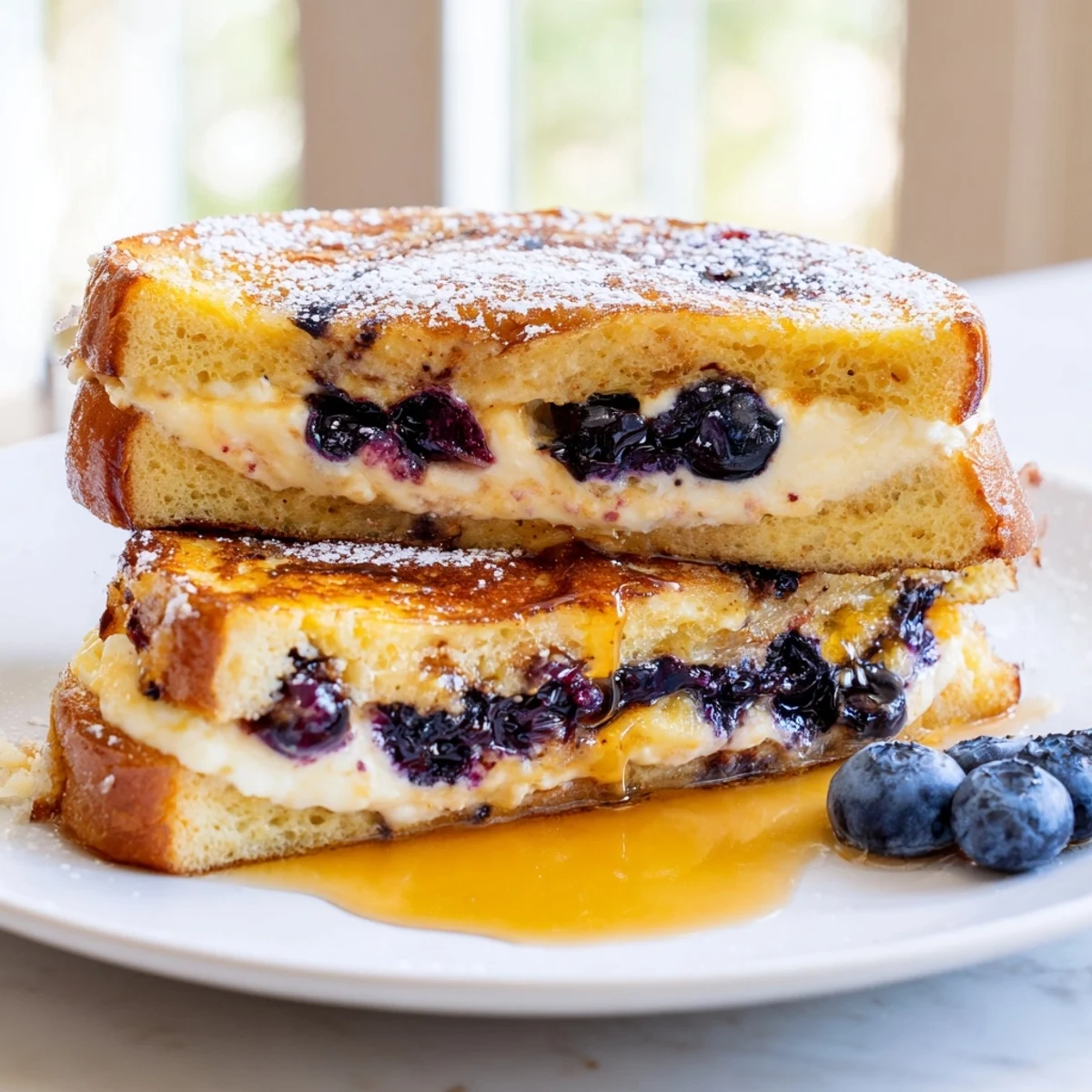
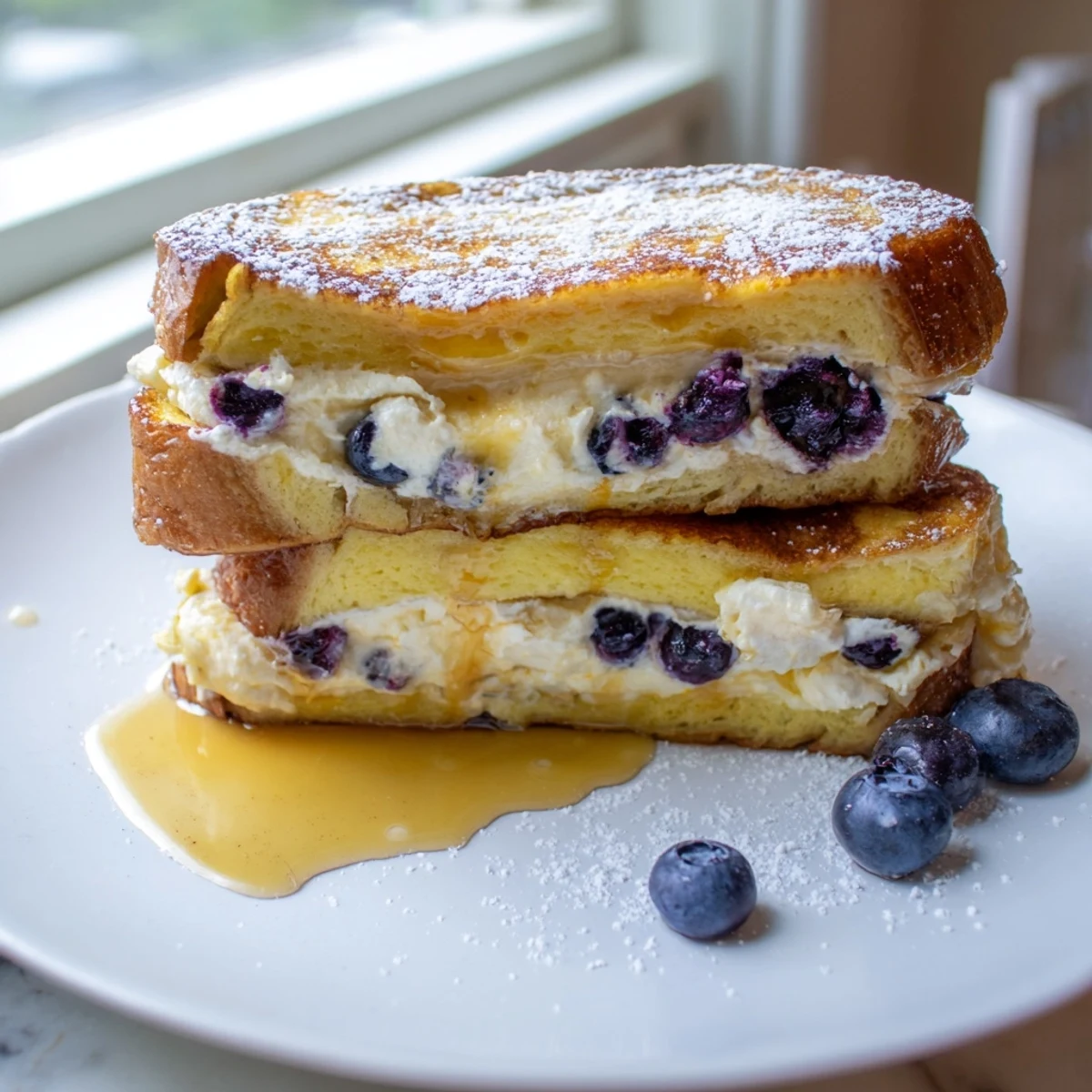
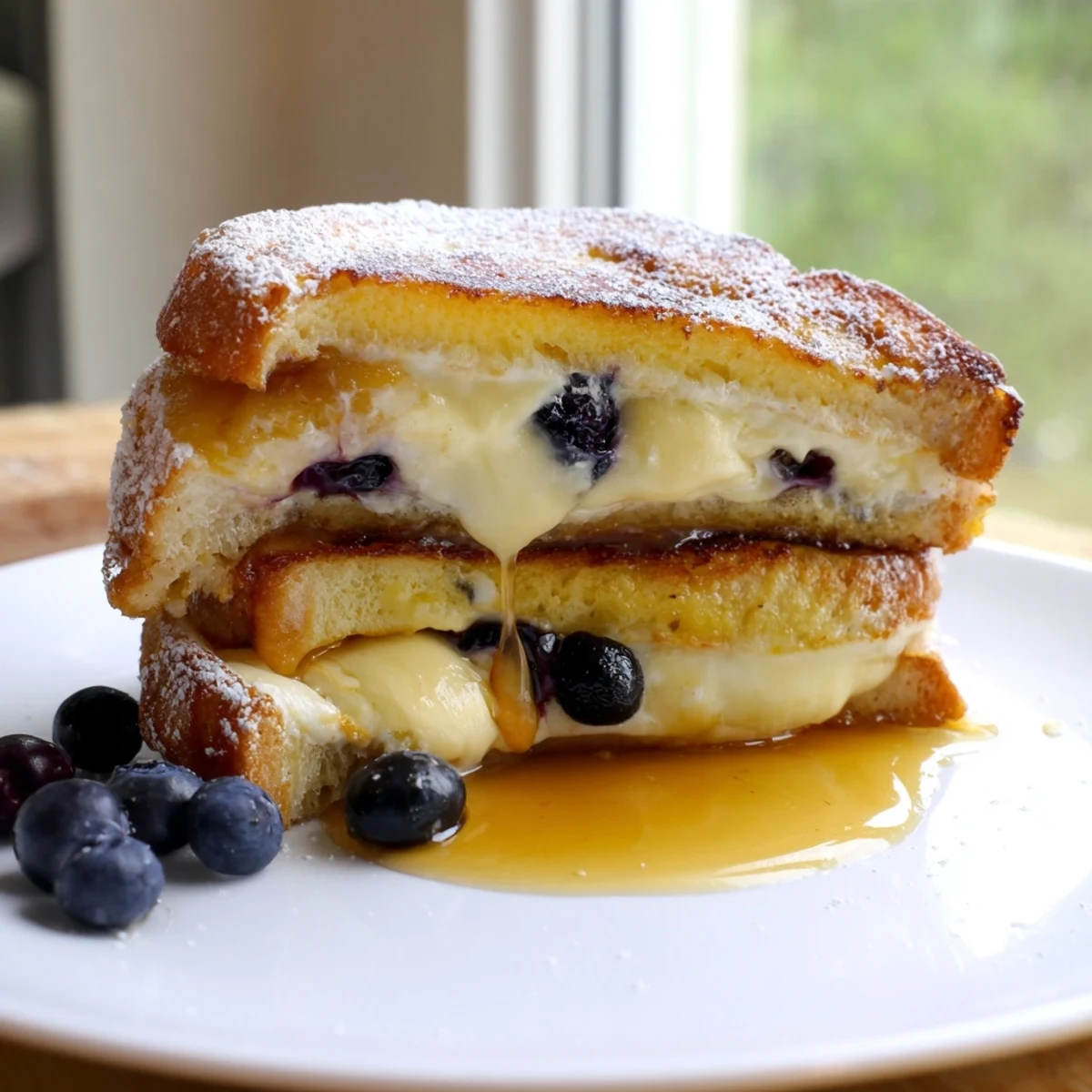
 This indulgent brunch dish combines the best of French toast and cheesecake in every bite. Thick slices of brioche are layered with a smooth cream cheese filling studded with fresh blueberries, then dipped in a cinnamon-vanilla egg custard.
Each sandwich is pan-fried in butter until deeply golden and crisp on the outside, while the filling melts into creamy, fruity perfection inside. Finished with a dusting of powdered sugar and a drizzle of warm maple syrup, it's a breakfast worth waking up for.
Ready in just 35 minutes and perfect for weekend brunches or a special holiday morning.
The skillet was already hissing when I realized I had forgotten to soften the cream cheese, and what started as a lazy Sunday morning experiment nearly turned into a countertop disaster worth laughing about for years.
My sister walked into the kitchen just as I flipped the first sandwich, and she stood there with her coffee mug, watching the golden crust form, before saying quietly that this was the best smelling breakfast I had ever made.
Ingredients
- Cream cheese (120 g, softened): This is the heart of the filling, so let it sit out for at least thirty minutes before you start, because cold cream cheese will leave you with ugly lumps no matter how hard you stir.
- Powdered sugar (2 tbsp): Just enough sweetness without making the filling cloying, and it dissolves seamlessly into the cheese.
- Vanilla extract (1/2 tsp for filling, 1 tsp for custard): Split between the filling and the egg mixture, it ties both layers together with a warm, familiar note.
- Fresh blueberries (100 g plus extra for serving): They burst gently inside the sandwich during cooking, releasing little pockets of tart juice that cut through the richness beautifully.
- Brioche or challah bread (8 thick slices): The egg rich texture absorbs the custard without falling apart, and thick slices are essential so you can actually stuff them.
- Eggs (3 large): The backbone of the custard, providing structure and that classic French toast richness.
- Milk (120 ml): Whole milk gives the best consistency, creating a custard that coats without being too heavy.
- Granulated sugar (1 tbsp): A modest amount that helps the exterior caramelize in the pan.
- Ground cinnamon (1/2 tsp): Warmth and spice that make the kitchen smell incredible the moment the batter hits the butter.
- Salt (pinch): Never skip this, because salt makes every sweet thing taste more like itself.
- Unsalted butter (2 tbsp for frying): Butter is non negotiable here for that deeply golden, slightly crisp exterior.
- Maple syrup and powdered sugar for serving: The final flourish that pushes this firmly into the territory of special occasion breakfast.
Instructions
- Make the cheesecake filling:
- Beat the softened cream cheese, powdered sugar, and vanilla in a bowl until completely smooth and creamy, then fold in the blueberries with a gentle hand so you do not crush them into purple mush.
- Build the sandwiches:
- Lay out four slices of bread and divide the filling among them, spreading it almost to the edges but leaving a small border so nothing oozes out during cooking, then press the top slices on firmly.
- Whisk the custard:
- In a shallow dish, whisk together the eggs, milk, sugar, vanilla, cinnamon, and salt until fully combined and slightly frothy on the surface.
- Heat the pan:
- Melt a tablespoon of butter in a large skillet over medium heat, letting it foam and subside before any bread goes near it.
- Dip and cook:
- Carefully dip each sandwich into the custard, giving each side about five seconds, then place it directly into the hot butter and cook for three to four minutes per side until deeply golden and crisp.
- Serve immediately:
- Transfer to plates, scatter with extra blueberries, dust generously with powdered sugar, and drizzle with warm maple syrup while the bread is still crackling slightly from the heat.
 Save to Pinterest
 That morning ended with my sister and me sitting on the kitchen floor leaning against the cabinets, plates balanced on our knees, not speaking because our mouths were full, and I understood then that some recipes earn their place in your life not by being impressive but by being the thing people remember eating together.
Choosing the Right Bread
Not all bread is created equal for stuffed French toast, and I learned this after trying it once with a standard sandwich loaf that collapsed into a sad, wet rectangle in the pan. Brioche and challah have enough egg content in the dough itself to hold together when soaked, and their slightly sweet, buttery crumb complements the cheesecake filling rather than competing with it. Day old bread actually works better than fresh because it has less moisture to begin with, which means it absorbs the custard more evenly without turning gummy in the center.
Berry Swaps and Seasonal Twists
Fresh blueberries are classic here, but I have made this with sliced strawberries in June, halved raspberries in July, and even diced peaches in August, and every single version was wonderful in its own way. Frozen berries work in a pinch, but thaw and drain them first, otherwise the extra liquid will make your filling runny and soak through the bread before you even start cooking.
Getting the Pan Temperature Right
Medium heat is the sweet spot, because too high and the outside burns before the filling warms through, but too low and the bread slowly absorbs butter instead of frying in it. The butter should sizzle gently when the sandwich lands in the pan, not go silent and not splatter aggressively. If your stove runs hot, lean toward medium low for the second batch, since the pan holds heat and the remaining butter will brown faster than you expect.
- Wipe the pan clean between batches and add fresh butter to avoid bitter burnt bits on your second round.
- Keep finished sandwiches in a low oven around 95 degrees Celsius if you are cooking for a crowd and need everything warm at once.
- Always let the cream cheese come to room temperature before starting, because this single step determines whether your filling is silky or grainy.
 Save to Pinterest
 This is the kind of breakfast that makes people linger at the table a little longer, and honestly, that is the highest compliment any recipe can receive.
Recipe FAQ
- → Can I make the cheesecake filling ahead of time?
-
Yes, you can prepare the cream cheese filling up to 24 hours in advance. Store it covered in the refrigerator, then let it soften slightly at room temperature before spreading onto the bread slices.
- → What type of bread works best for stuffed French toast?
-
Brioche and challah are ideal because they are soft, rich, and absorb the egg custard beautifully without falling apart. Day-old bread actually works better than fresh, as it holds its structure during dipping and cooking.
- → How do I prevent the sandwiches from getting soggy?
-
Dip each sandwich quickly on both sides rather than soaking it. You want the egg mixture to coat the surface without saturating the bread. Also, make sure your skillet is properly heated before adding the sandwiches so they sear immediately on contact.
- → Can I use frozen blueberries instead of fresh?
-
Frozen blueberries work fine in the filling, but thaw and drain them first to avoid excess moisture. For the topping, fresh blueberries are preferable since they hold their shape and texture better.
- → What can I substitute for cream cheese in the filling?
-
Mascarpone is an excellent substitute with a similar texture and slightly sweeter flavor. Ricotta cheese also works well if drained of excess moisture, though the filling will be lighter and less dense.
- → How should I store and reheat leftovers?
-
Store leftover stuffed French toast in an airtight container in the refrigerator for up to 2 days. Reheat in a skillet over medium heat or in a toaster oven at 180°C (350°F) until warmed through and crisp again. Avoid the microwave, as it will make the exterior soggy.