
 Save to Pinterest
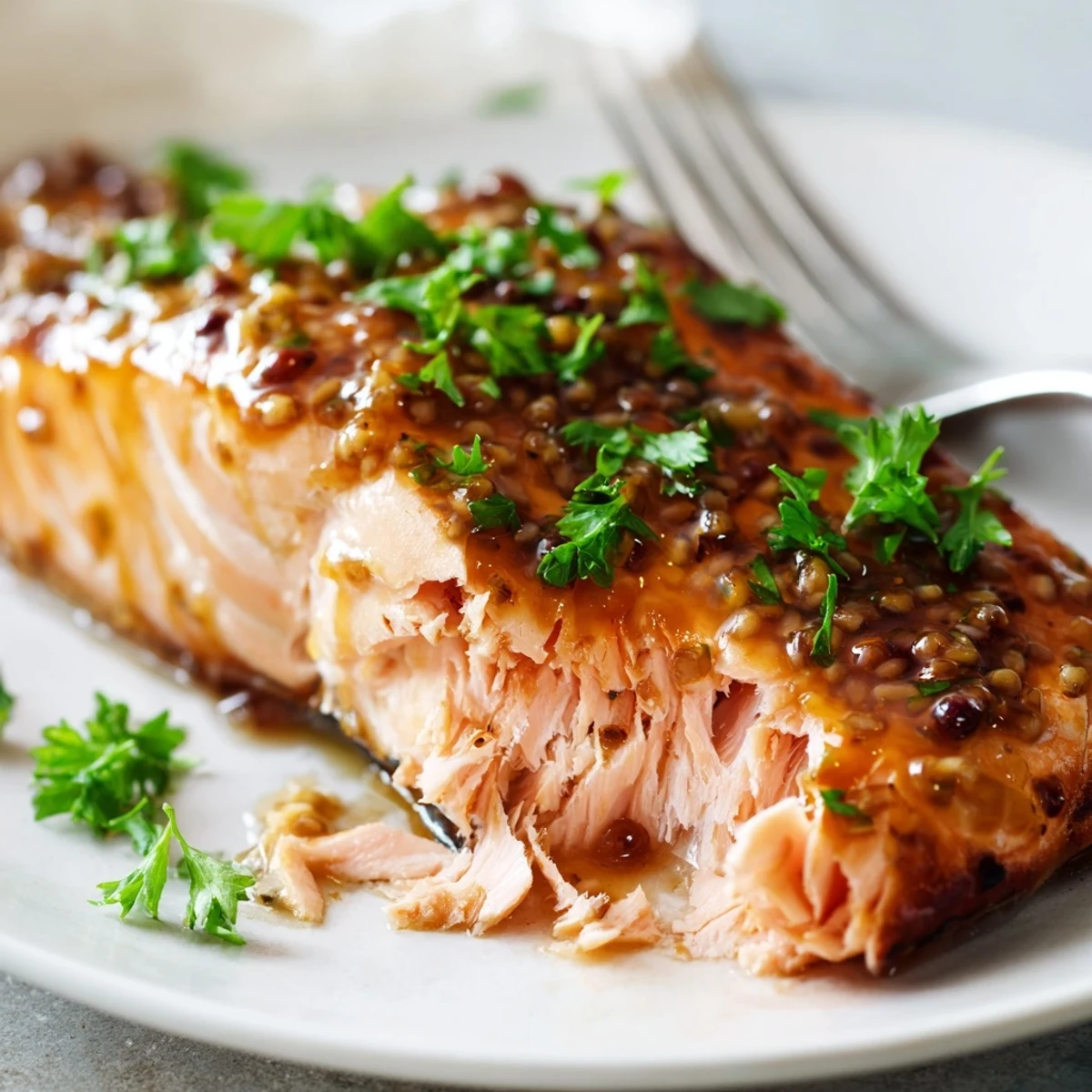
 This baked honey mustard salmon brings together succulent fillets with a luscious glaze of Dijon mustard, honey, and lemon. Ready in under 30 minutes, it delivers a beautiful balance of sweet, tangy, and savory flavors.
Simply whisk the glaze, coat the salmon, and bake at 200°C for 12–15 minutes. Pair with roasted vegetables, fluffy rice, or a crisp salad for a complete meal that feels elegant yet effortless.
The smell of honey caramelizing against mustard on a hot baking tray is one of those scents that pulls everyone into the kitchen before the timer even goes off. I stumbled onto this combination one Tuesday when the fridge held nothing but salmon and a nearly empty jar of Dijon. Now it is the dish my family requests when they want something that feels fancy but takes almost no effort.
My neighbor walked over unannounced one evening right as I pulled this out of the oven, and she stood in the doorway sniffing the air like a cartoon character. I sent her home with a plate and she texted me the next morning asking for the recipe. That glaze just has a way of turning a regular weeknight into something people remember.
Ingredients
- 4 salmon fillets (about 170 g each): Skin on gives a slightly richer result but skinless works beautifully too, so use whatever you find at the store.
- 3 tbsp Dijon mustard: The smooth backbone of the glaze, providing sharpness and depth.
- 2 tbsp honey: Balances the mustard bite and helps create that gorgeous golden crust.
- 1 tbsp whole grain mustard: Adds lovely little bursts of texture and a more rustic flavor than Dijon alone.
- 1 tbsp olive oil: Keeps the salmon moist and helps the glaze spread evenly.
- 1 tbsp fresh lemon juice: A hit of brightness that wakes up every other ingredient.
- 2 garlic cloves, minced: Fresh garlic makes a noticeable difference here, so skip the jarred kind if you can.
- 1/2 tsp smoked paprika: Just a whisper of smokiness that makes people wonder what your secret is.
- Salt and freshly ground black pepper: Season to taste at every stage.
- Fresh parsley and lemon wedges: For finishing, because a little green and a squeeze of citrus make everything sing.
Instructions
- Preheat and prepare the tray:
- Set your oven to 200 degrees Celsius (400 degrees Fahrenheit) and line a baking tray with parchment paper so cleanup is effortless later.
- Whisk the glaze:
- In a small bowl, combine the Dijon mustard, honey, whole grain mustard, olive oil, lemon juice, minced garlic, smoked paprika, and a pinch each of salt and pepper until everything is smooth and fragrant.
- Season the salmon:
- Pat the fillets dry with paper towels, arrange them on the tray, and give them a light dusting of salt and pepper so the glaze has something to grab onto.
- Glaze it up:
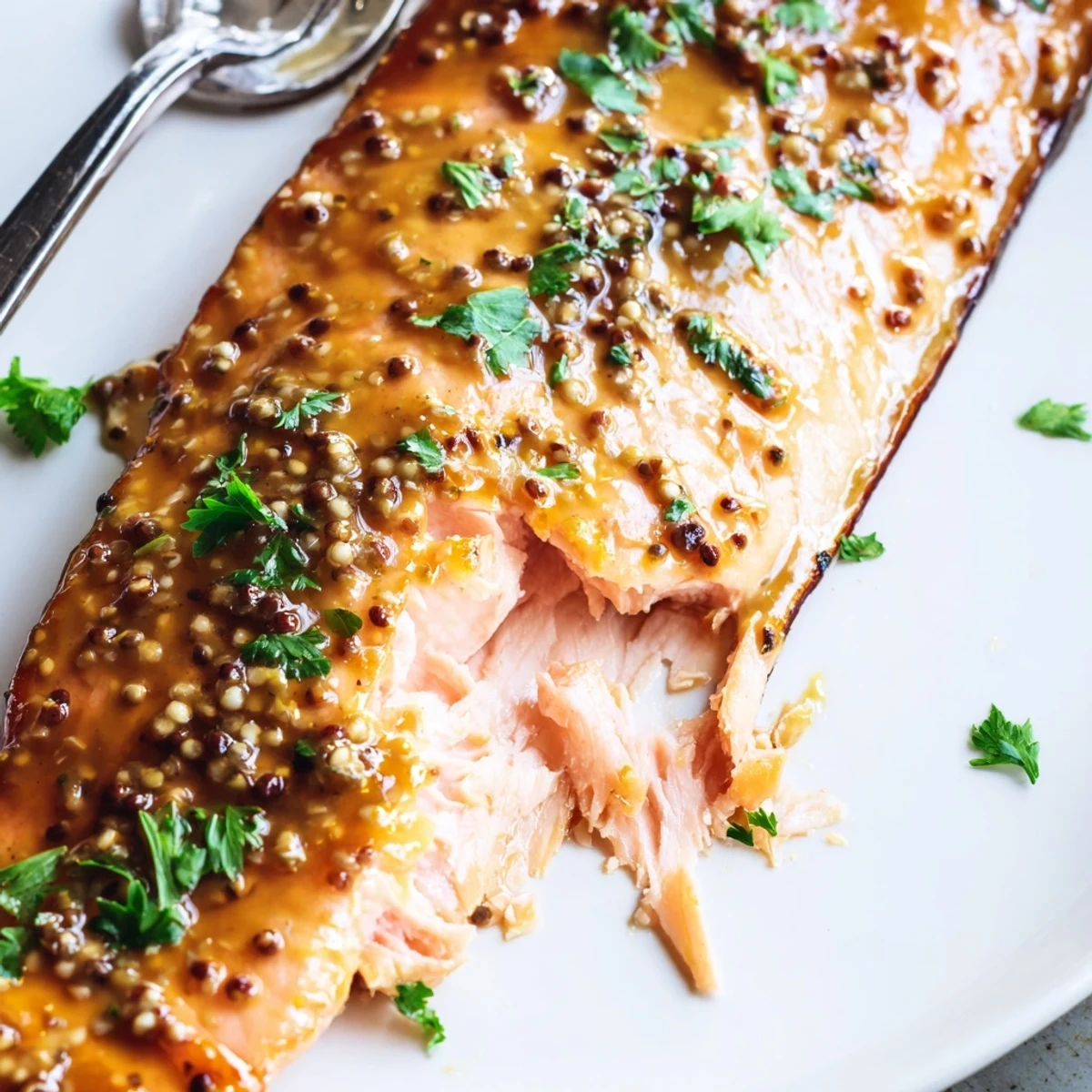
- Spoon or brush the honey mustard mixture generously over each fillet, letting it pool slightly around the edges where it will caramelize into something magical.
- Bake until perfect:
- Slide the tray into the oven for 12 to 15 minutes, watching for the moment the salmon flakes easily with a fork and the glaze turns a deep amber.
- Rest and garnish:
- Let the fillets sit for two minutes out of the oven, then scatter chopped parsley over the top and tuck lemon wedges alongside before serving.
 Save to Pinterest
 There was a night my daughter set the table with actual cloth napkins and candles for this salmon, treating it like a restaurant dinner. She was nine at the time and proud as anything, and I realized then that the food itself was only half the magic. It was the ritual of sitting down to something beautiful together.
What to Serve Alongside
This salmon pairs wonderfully with roasted asparagus, fluffy steamed rice, or a simple green salad dressed with olive oil and lemon. I have also served it over a bed of mashed sweet potatoes on cooler evenings, and the sweet and savory combination is genuinely comforting. Keep the sides simple because the glaze carries so much flavor on its own.
Making It Your Own
A pinch of chili flakes in the glaze adds a gentle heat that plays beautifully against the honey. You can swap the Dijon for yellow mustard if you prefer a milder, more classic American flavor, or go all in with whole grain for a rustic twist. I once added a spoonful of maple syrup instead of honey and my husband declared it even better, so experiment freely.
Storage and Reheating
Leftover salmon keeps well in an airtight container in the refrigerator for up to two days, though it is best eaten the next day. Reheat gently in a low oven rather than the microwave to preserve the texture of the glaze.
- Flake cold leftover salmon over a salad for lunch the next day.
- Avoid freezing glazed salmon because the mustard and honey separation affects the texture.
- Always check for bones before serving, especially if using a new fishmonger.
 Save to Pinterest
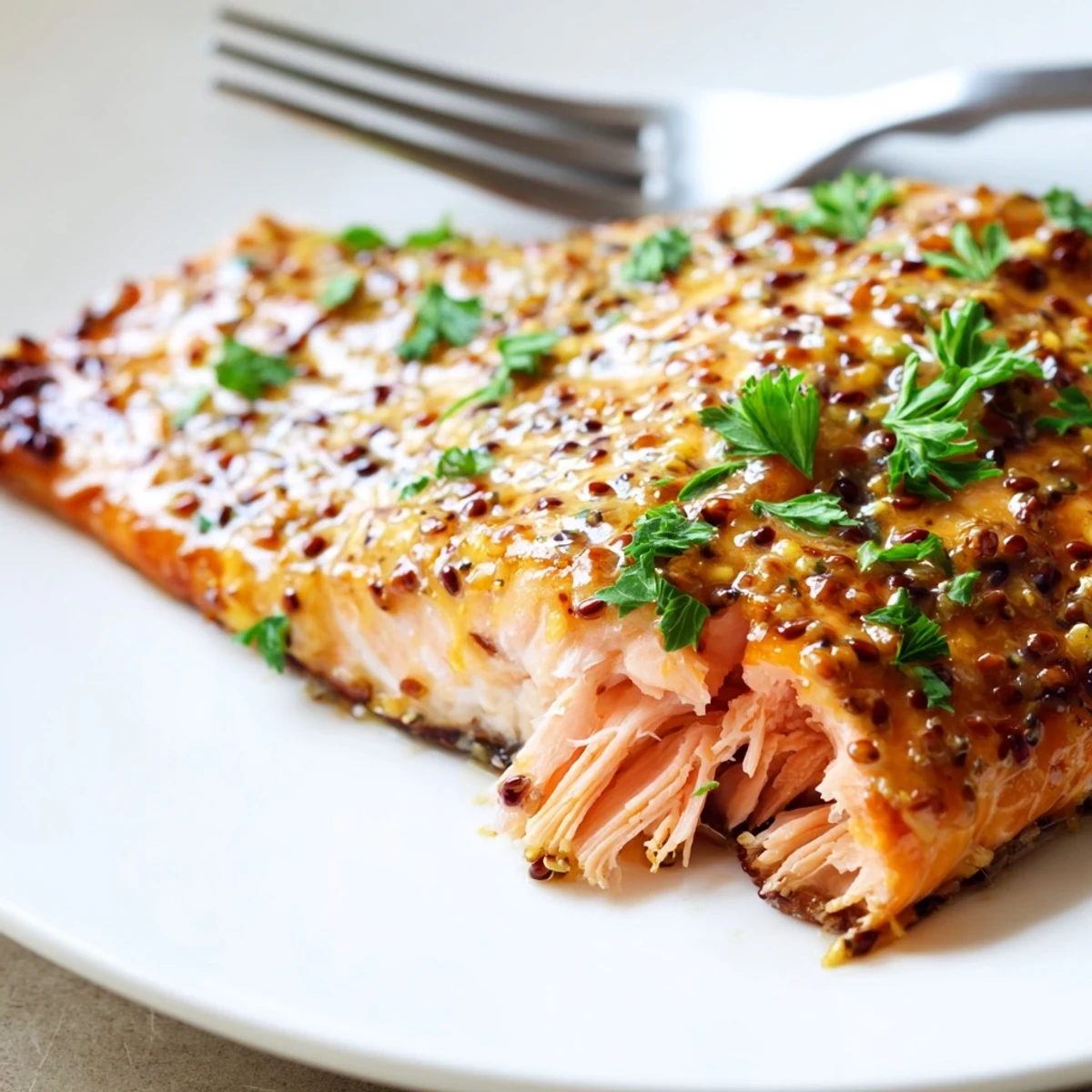
 This is the kind of recipe that makes you look like you tried much harder than you did, and there is absolutely nothing wrong with that. Share it generously and enjoy every last flake.
Recipe FAQ
- → What temperature should salmon be baked at?
-
Salmon bakes best at 200°C (400°F). At this temperature, it cooks through evenly in 12–15 minutes while developing a beautiful glazed exterior.
- → How do I know when the salmon is done?
-
The salmon is ready when it flakes easily with a fork and appears opaque throughout. The internal temperature should reach 63°C (145°F) for optimal doneness.
- → Can I use frozen salmon fillets?
-
Yes, but thaw them completely in the refrigerator overnight before baking. Pat the fillets dry thoroughly so the honey mustard glaze adheres properly.
- → What sides go well with honey mustard salmon?
-
Roasted asparagus, garlic green beans, steamed jasmine rice, quinoa, or a mixed greens salad all complement the sweet and tangy flavors beautifully.
- → Can I prepare the honey mustard glaze ahead of time?
-
Absolutely. Whisk together the Dijon mustard, honey, whole grain mustard, olive oil, lemon juice, garlic, and smoked paprika up to 3 days in advance. Store covered in the refrigerator.
- → How do I get extra caramelization on top?
-
Switch the oven to broil for the final 1–2 minutes of cooking. Watch closely to prevent burning. This creates a beautifully bubbly, golden glaze.