
 Save to Pinterest
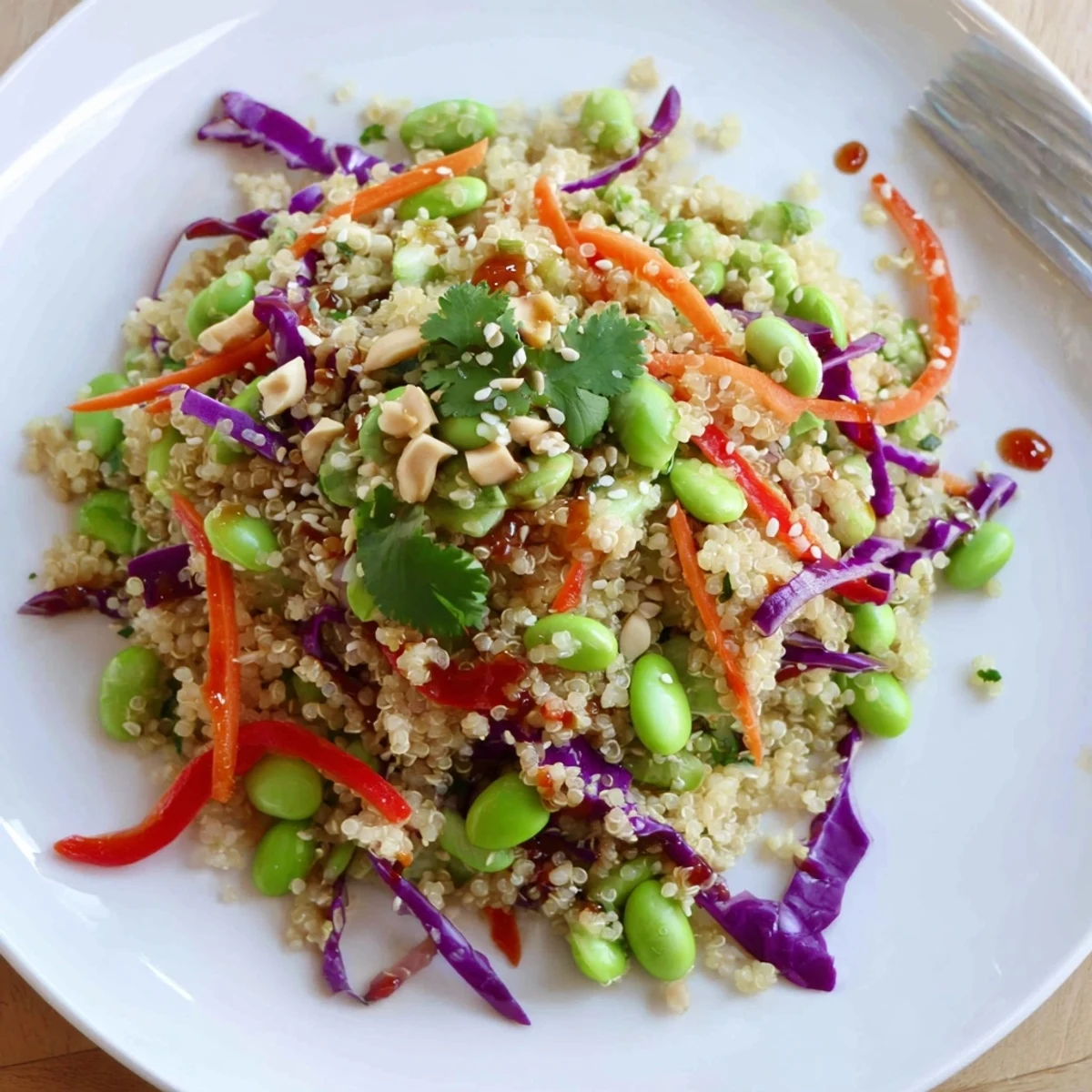
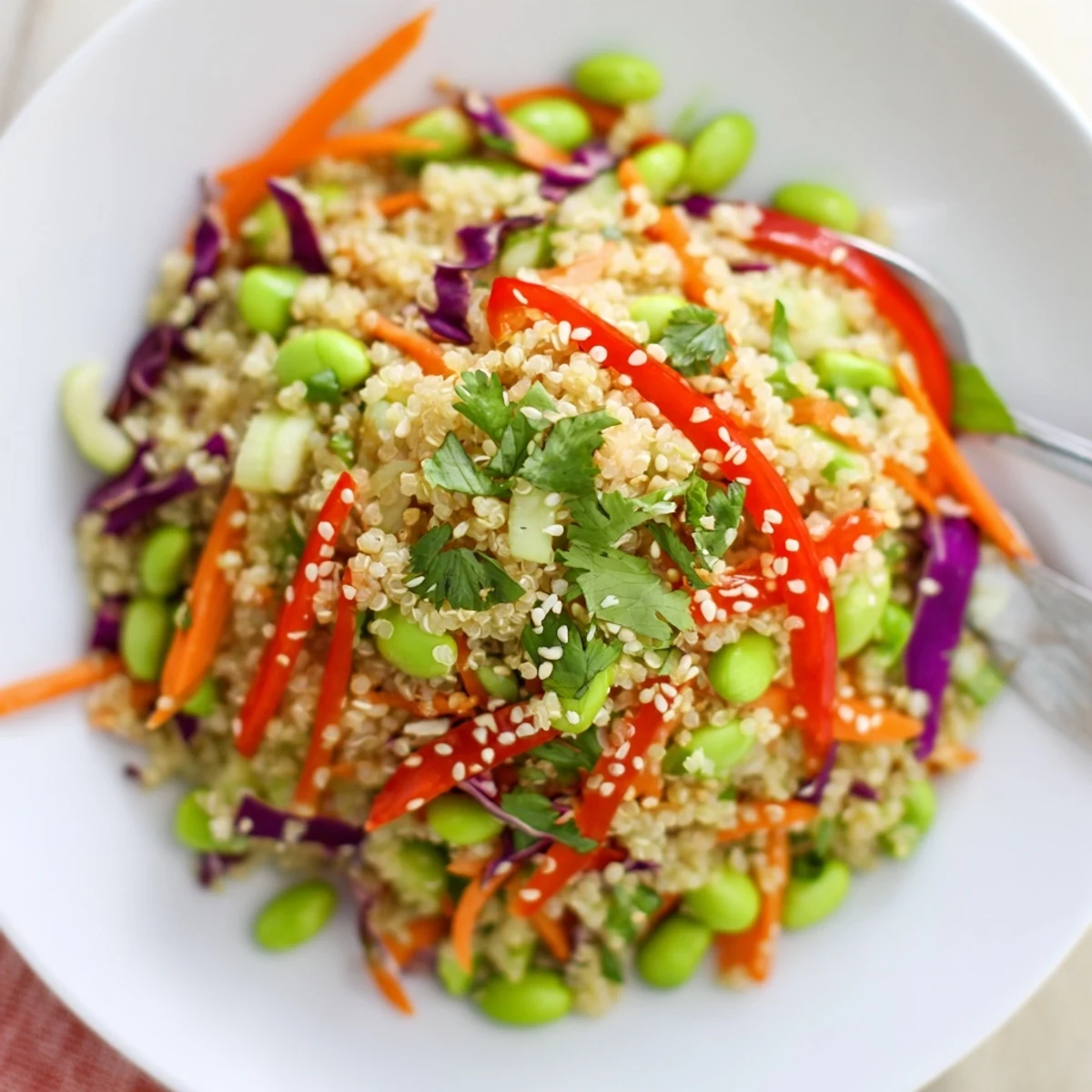
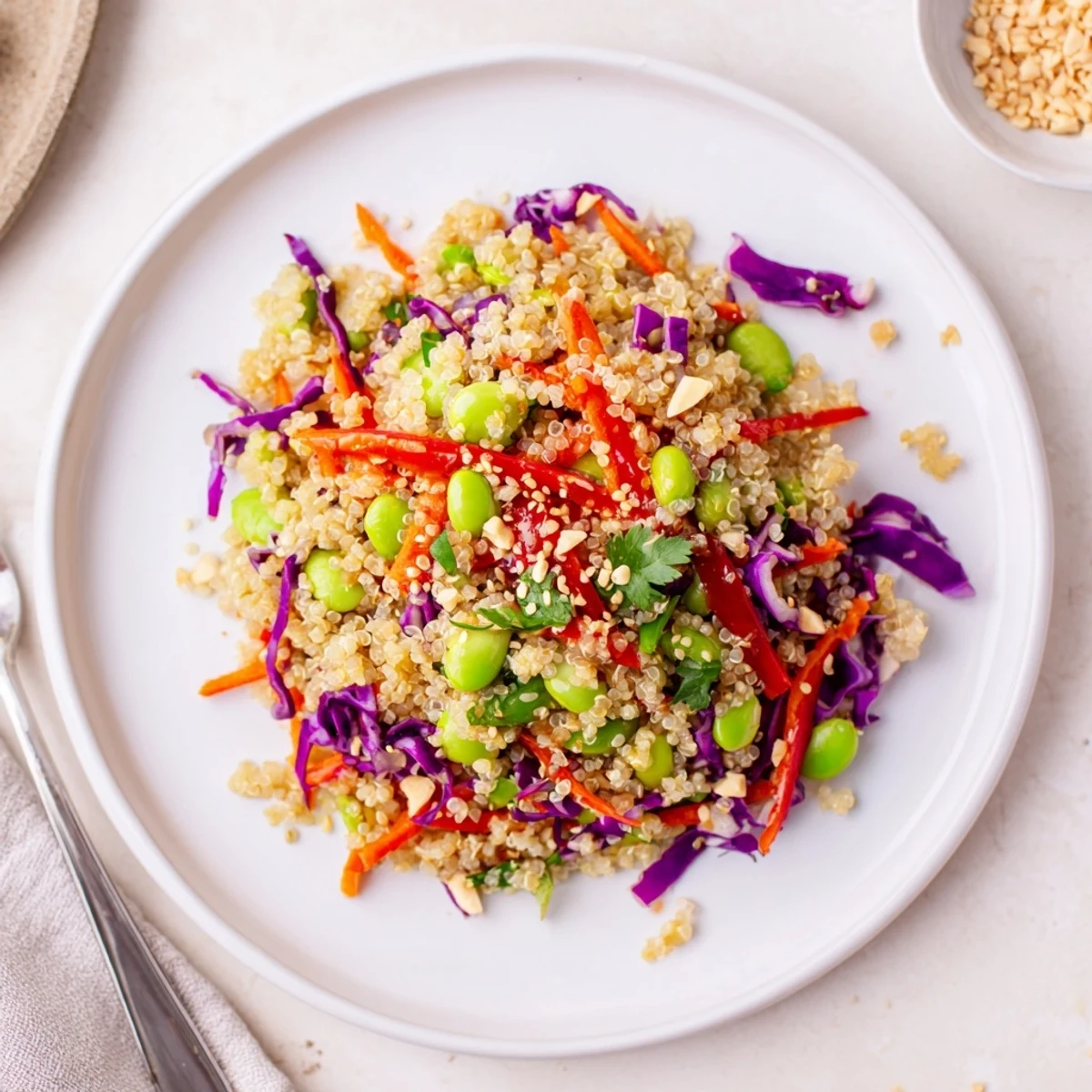
 This vibrant quinoa salad combines well-rinsed, fluffy quinoa with shelled edamame, julienned carrots, red bell pepper, spring onions and shredded red cabbage for crunch and color. A bright Asian-style dressing of tamari or soy, rice vinegar, toasted sesame oil, lime, grated ginger, garlic and a touch of honey ties it together. After cooking and cooling the quinoa, toss everything together and finish with chopped roasted peanuts and toasted sesame seeds. Serve immediately or chill 30 minutes to let flavors meld; serves four and keeps up to three days refrigerated.
The scent of toasted sesame oil hitting a bowl of fresh vegetables is enough to make me abandon whatever I was doing and wander into the kitchen. That nutty, savory aroma became my unofficial signal that summer had arrived. This Asian dressing quinoa salad started as a desperate attempt to use up leftover grains and a half wilted head of cabbage, but it quickly became the most requested dish at every backyard gathering I host.
I brought a massive bowl of this to a potluck once and watched a friend literally lick her plate clean when she thought nobody was looking. That moment told me everything I needed to know about whether this recipe was worth keeping. Now I always make extra because the leftovers disappear faster than the main course.
Ingredients
- Quinoa: Rinse it thoroughly under cold water before cooking to remove the bitter natural coating called saponin.
- Edamame: Thaw frozen shelled edamame under running water for a minute and pat dry so it does not water down the salad.
- Carrots: Cut them into thin julienne strips so they pick up the dressing evenly and stay pleasantly crisp.
- Red bell pepper: Its sweetness balances the salty soy sauce and tangy lime juice beautifully.
- Spring onions: Slice them thinly on a sharp diagonal for a mild onion bite that looks gorgeous.
- Red cabbage: Adds a satisfying crunch and a pop of purple color that makes the whole bowl photogenic.
- Cilantro: Fresh herbs make everything taste brighter, so do not skip or substitute this one.
- Soy sauce: Use tamari instead if you need a gluten free version without sacrificing any depth of flavor.
- Rice vinegar: Its gentle acidity is what makes the dressing feel light rather than heavy.
- Toasted sesame oil: A little goes a long way and it is the single ingredient that makes this taste authentically Asian inspired.
- Honey or maple syrup: Just a touch of sweetness rounds out the salty and sour notes perfectly.
- Fresh ginger: Grate it on a microplane right into the dressing for the freshest zing.
- Garlic: One clove is all you need to give the dressing a subtle savory backbone.
- Sriracha: Optional but highly recommended if you enjoy a gentle warming heat behind the sweetness.
- Lime juice: Squeeze it fresh because bottled juice simply cannot replicate that bright, fragrant acidity.
- Roasted peanuts: Chop them roughly so you get satisfying crunch without overwhelming each bite.
- Toasted sesame seeds: They add a finishing touch of nutty flavor and a lovely speckled look on top.
Instructions
- Rinse and cook the quinoa:
- Swirl the quinoa in a fine mesh sieve under cold running water until it no longer looks cloudy. Combine with water in a saucepan, bring to a boil, then cover and simmer on low for about 14 minutes until the liquid vanishes. Let it sit covered off the heat for five minutes, then fluff with a fork and spread it on a plate to cool faster.
- Prep all the vegetables:
- Toss the edamame, julienned carrots, sliced bell pepper, spring onions, shredded cabbage, and chopped cilantro into a large mixing bowl. Give everything a gentle toss with your hands so the colors distribute evenly before the dressing goes in.
- Whisk the dressing together:
- In a small bowl, combine the soy sauce, rice vinegar, sesame oil, honey, grated ginger, minced garlic, sriracha, and lime juice. Whisk vigorously until the mixture looks unified and slightly emulsified, then taste and adjust the heat or sweetness to your liking.
- Combine everything:
- Add the cooled quinoa to the bowl of vegetables and pour the dressing over the top. Toss with a large spoon or your hands until every grain and shred glistens with dressing.
- Finish and serve:
- Transfer to a serving dish and scatter the chopped peanuts and sesame seeds across the top. Serve right away at room temperature or tuck it into the fridge for half an hour if you prefer the flavors chilled and mingled.
 Save to Pinterest
 There is something quietly magical about a salad that turns a random assortment of vegetables and leftover grains into the dish everyone reaches for first.
Making It Your Own
This recipe is endlessly adaptable once you understand the basic template of grains, crunchy vegetables, herbs, and a punchy dressing. Thinly sliced cucumber or sugar snap peas slide right in without changing the character of the salad at all. For a more substantial meal, grilled tofu or shredded rotisserie chicken piled on top turns it into a complete dinner.
Storage and Leftovers
The vegetables soften slightly overnight but somehow the overall flavor improves as the dressing seeps into the quinoa. Store it covered in the refrigerator for up to three days, though in my experience it rarely lasts that long. If the peanuts lose their crunch overnight, simply scatter a fresh handful on top right before eating.
A Few Final Thoughts
Cooking does not need to be complicated to be memorable, and this salad is living proof of that. Trust your instincts, taste as you go, and let the ingredients do the talking.
- If you are sensitive to spice, start with half a teaspoon of sriracha and build from there.
- Cashews or almonds work beautifully in place of peanuts if allergies are a concern.
- Always double check packaged soy sauce labels for hidden gluten if cooking for someone with celiac disease.
 Save to Pinterest
 Share this salad with someone you love, or simply keep a big bowl in the fridge for yourself all week long. Either way, it is the kind of recipe that makes eating well feel effortless.
Recipe FAQ
- → How should I cook the quinoa for best texture?
-
Rinse quinoa under cold water, then simmer 1 cup quinoa with 2 cups water for 12–15 minutes until absorbed. Let rest covered 5 minutes, then fluff with a fork to keep grains light and separate.
- → Can I swap edamame for another protein?
-
Yes. Shelled edamame adds a fresh bite, but cooked chickpeas, cubed grilled tofu or shredded chicken are great alternatives for different textures and protein levels.
- → How can I keep the salad gluten-free or nut-free?
-
Use tamari in place of soy sauce to keep it gluten-free. Omit or replace peanuts with seeds like pumpkin seeds to avoid tree nut or peanut allergens.
- → Should the quinoa be hot or cooled before tossing?
-
Allow quinoa to cool slightly before combining with the raw vegetables and dressing; warm quinoa will wilt vegetables and alter texture. Cooling also helps the dressing cling evenly.
- → How long does the dressed salad keep in the fridge?
-
Stored in an airtight container, the salad keeps well for up to three days. Add crunchy toppings like peanuts and sesame seeds just before serving to preserve texture.
- → Any tips for adjusting the dressing heat and acidity?
-
Start with small amounts of sriracha and lime, then taste and adjust. Add a touch more honey or maple for balance if the dressing is too sharp, or more vinegar for extra brightness.